
Lieferung heute & morgen

Qualitätsgarantie

Willkommens-Angebote freischalten: KOSTENLOSE Lieferung | Bis zu 80 % RABATT | Kostenlose 30-Tage-JoyPlus-Testphase
App herunterladen
Double-walled glasses have become a staple in modern kitchens. They keep coffee and tea hot for longer, cold drinks refreshingly cool, and look elegant while doing so. However, the market is flooded with products of widely varying quality. Many buyers only realise after a few weeks that their new insulated glass set doesn't meet their expectations.
As a Joybuy Product Recommendation Officer, I analyse product data to provide you with objective guidance. This guide highlights the three most common pitfalls when buying thermal glasses and explains which technical features you should look for to make an informed decision.
Marketing promises often sound convincing, but the devil is in the details. Pay attention to these three typical problems to avoid a bad purchase.
The Vacuum Problem: Foggy Walls After a Short Time The most common flaw is a leaky seal at the base of the glass. This allows water to penetrate the space between the walls during washing. The result: unsightly condensation marks that cannot be removed, and a complete loss of the insulating effect. The glass becomes just a normal, but more expensive, glass.
Fragile Material: Cracks from Temperature Fluctuations Although many glasses are advertised as heat-resistant, there are significant differences in material quality. Low-quality glass can develop cracks or even shatter under minor thermal stress—such as when pouring hot water into a cold glass.
Impractical Design: Unstable and Awkward to Handle Some designs sacrifice functionality for aesthetics. Overly bulbous shapes can be wobbly, a rim that is too thick makes drinking uncomfortable, and tall latte macchiato glasses often don't fit under the spout of standard automatic coffee machines.
To avoid the problems mentioned above, you should check three core parameters before choosing a product.
The term borosilicate glass is often used, but its quality varies. High-quality borosilicate glass is characterised by high chemical resistance and, most importantly, a low coefficient of thermal expansion. This makes it impervious to sudden temperature changes (thermal shock). A glass made from well-processed borosilicate glass can be filled with boiling water without any issue, even if it was previously at room temperature. It is also lighter and yet more durable than conventional soda-lime glass.
Almost all double-walled glasses have a small, sealed point on the bottom. This is where the air was evacuated during manufacturing to create the vacuum. The quality of this seal is crucial for the product's longevity. A hydrophobic silicone membrane allows air to escape to equalise pressure differences but prevents water from getting in. Whether a glass is declared dishwasher-safe often depends on the robustness of this seal. For safety, hand washing is still frequently recommended to maximise its lifespan.
The choice of shape depends on the primary use case.
Based on objective product characteristics, we have identified several models for different user profiles.
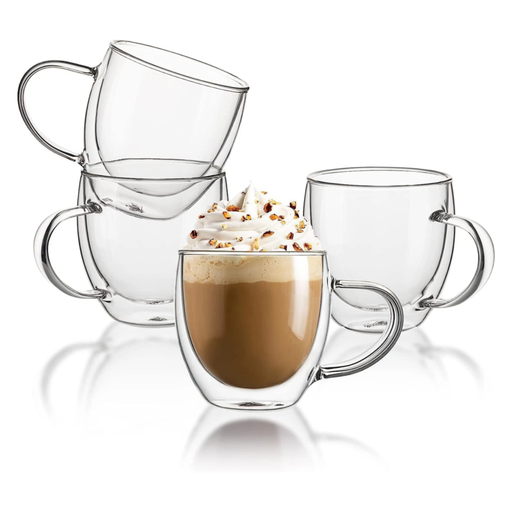
Why it's a good fit: This set offers a solid entry into the world of thermal glasses. The classic mug shape with a handle is practical for daily coffee or tea and provides a secure grip, which is an important factor for everyday use.
The design with a handle directly addresses the pitfall of impractical handling. The use of borosilicate glass provides a good foundation for heat resistance in normal use.
The 250 ml capacity is a standard size for many coffee machines. The ergonomic handle reliably protects fingers from heat.
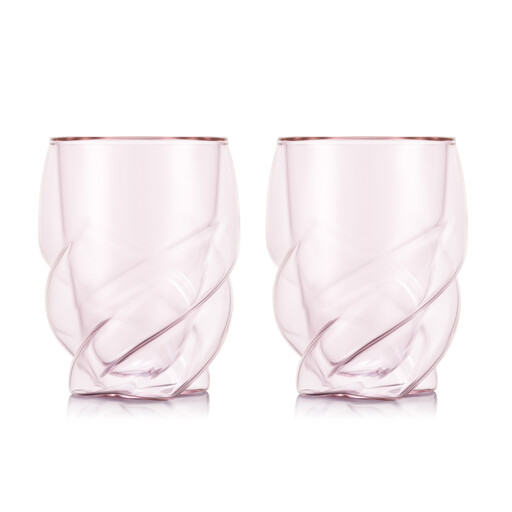
Why it's a good fit: Bodum is an established brand in the coffee and tea accessories space. These glasses combine recognised manufacturing quality with an elegant, minimalist design. The mouth-blown production indicates higher craftsmanship and attention to detail.
The "mouth-blown borosilicate glass" specification suggests meticulous craftsmanship, which reduces the risk of material defects and leaky seals. The brand has a reputation for durable products.
According to the manufacturer, the glasses are dishwasher-safe, which simplifies cleaning. The timeless design complements any dinnerware and occasion.
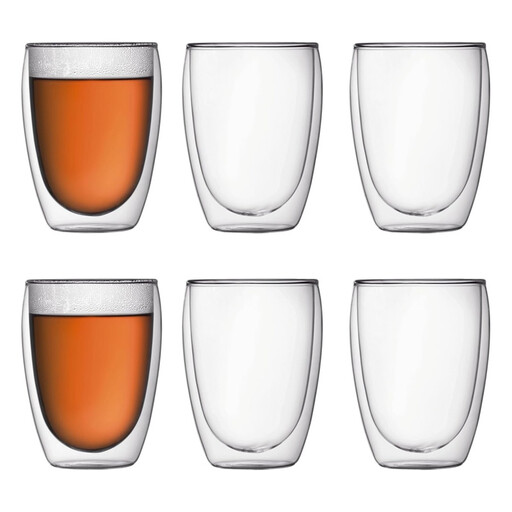
Why it's a good fit: With a 350 ml capacity and a tall, slender shape, this glass is specifically designed for preparing latte macchiatos, iced coffees, or smoothies. It offers enough space for milk foam and perfectly showcases the drink's layers.
This glass avoids the pitfall of impractical design by being optimised for a specific purpose. The mouth-blown manufacturing also suggests higher material and processing quality.
The generous volume and tall shape are ideal for drinks with multiple layers. The clear appearance of the borosilicate glass makes the colours of the contents look brilliant.
We have compiled a complete, up-to-date list of products that meet these strict selection criteria and German safety standards.
1. Why is condensation forming inside my double-walled glass? Condensation between the glass walls is a clear sign that the seal at the base of the glass is damaged. Due to this defect, water, usually from washing, enters the space between the walls. The glass consequently loses its insulating property. Such a glass is defective.
2. Are double-walled glasses truly dishwasher-safe? Many manufacturers advertise their products as dishwasher-safe. This depends on the quality of the silicone seal at the base. High temperatures and aggressive detergents in the dishwasher can degrade this seal over time. To maximise the lifespan of your thermal glasses, gentler hand washing is often the safer choice, even if the product is approved for the dishwasher.
3. What material are double-walled glasses made of? Most high-quality double-walled glasses are made of borosilicate glass. This specialty glass is significantly more resistant to temperature fluctuations than normal glass. It is also lighter, more scratch-resistant, and does not absorb odours or stains, making it an ideal material for coffee glasses and tea glasses.