
Lieferung heute & morgen

Qualitätsgarantie

Willkommens-Angebote freischalten: KOSTENLOSE Lieferung | Bis zu 80 % RABATT | Kostenlose 30-Tage-JoyPlus-Testphase
App herunterladen
A hot coffee that stays hot, or an iced tea that doesn't leave condensation rings on the table—double-walled glasses combine functionality with an appealing aesthetic. The insulating layer of air between the two glass walls ensures that hot drinks stay warm longer and cold drinks stay cool longer. At the same time, the outside of the glass remains at a comfortable temperature, making a cup that doesn't get hot on the outside a common reality.
This article serves as a guide to help you choose the right double-walled glasses. We will highlight key features and present a selection of models for various uses.
The selection of insulated glasses for beverages is vast. To find the right model for your needs, three central aspects should be considered.
Many high-quality double-walled glasses are made from borosilicate glass. This material is distinguished by several advantageous properties. It is lighter than conventional glass but possesses high stability. A key advantage is its high resistance to thermal shock. This means it can be filled with hot liquids without cracking. These borosilicate glass cups are therefore a durable and practical choice for daily use.
The functionality of a double-walled glass largely depends on its size and shape.
Some models feature a handle for extra grip, while others are designed as a simple glass thermal tumbler without a handle. The choice here is a matter of personal preference.
Ease of care is an important factor. Before purchasing, check the manufacturer's cleaning instructions. Many double-walled glasses are dishwasher-safe, but hand washing can preserve the longevity and clarity of the glass. Similarly, not all models are microwave-safe, and this should be explicitly stated in the product description.
Based on the criteria mentioned, we have compiled a selection of models that are suited for different needs due to their specific features.
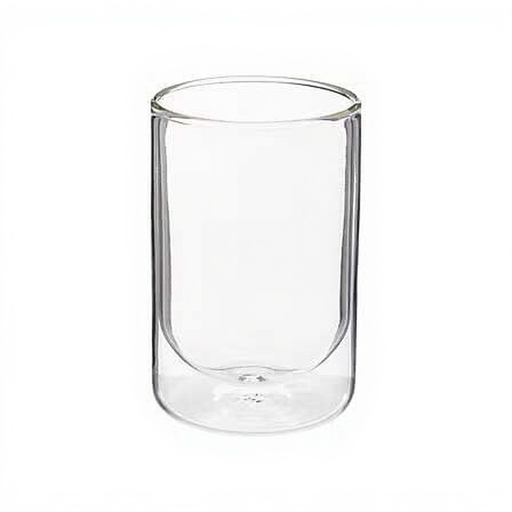
Why it stands out This glass from Secret de Gourmet combines a generous capacity with a practical handle. The clear, timeless design complements any dinnerware and occasion.
Pros
Who is it for? For anyone who enjoys their drinks in large portions and appreciates the comfort of a handle. It is a versatile addition to any kitchen or office.
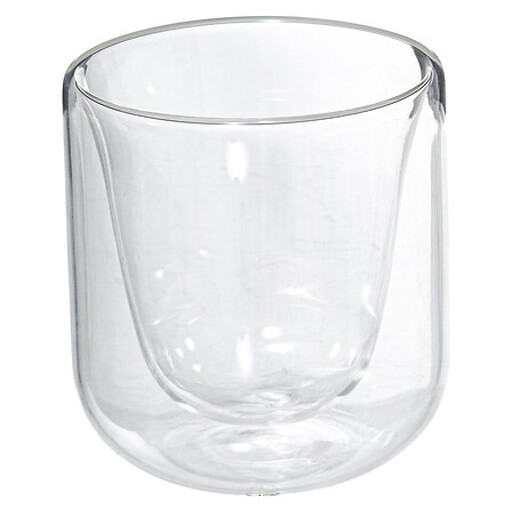
Why it stands out This tumbler from Atmosphera impresses with its elegant, handleless design and its construction from high-quality borosilicate glass. The classic shape makes it a universal companion.
Pros
Who is it for? Ideal for purists who are looking for a stylish and functional glass for their daily coffee or tea and prefer a design without a handle.
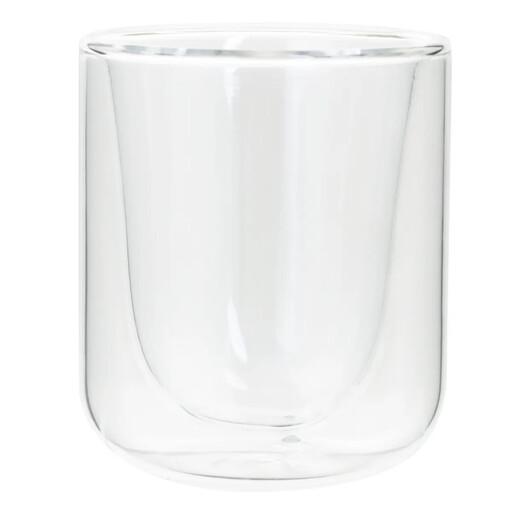
Why it stands out With its 80 ml capacity, the Cléa espresso cup is specifically designed for enjoying espresso. The double-walled borosilicate glass perfectly showcases the small coffee.
Pros
Who is it for? For espresso lovers who want to enhance their coffee ritual with a functional and aesthetically pleasing cup.
Was the right model for you not among this selection? There are many more shapes and sizes to discover that suit different preferences and occasions.
? Explore our full range of clear double-walled glass tea cups here.
1. What does the "floating effect" in double-walled glasses mean? The floating effect is a visual characteristic of double-walled glasses. Since only the inner glass wall is filled with the liquid, it creates the impression that the drink is floating inside the glass. This effect is particularly noticeable with clear or layered drinks like latte macchiato.
2. Are double-walled glasses generally dishwasher-safe? Many models, especially those made of borosilicate glass, are suitable for cleaning in the dishwasher. However, it is always advisable to check the specific care instructions from the manufacturer. To maintain the clarity of the glass long-term, gentle hand washing can be beneficial.
3. Why is there a small sealed dot on the bottom of some glasses? This small dot, made of silicone or adhesive, seals the opening required during the manufacturing process. Air is evacuated through this opening from between the two glass walls to create the insulating effect. This is not a defect but a feature of the production process.