
Lieferung heute & morgen

Qualitätsgarantie

Willkommens-Angebote freischalten: KOSTENLOSE Lieferung | Bis zu 80 % RABATT | Kostenlose 30-Tage-JoyPlus-Testphase
App herunterladen
Double-walled glasses have become a staple in many homes. They keep hot drinks warmer for longer and cold drinks cooler, while the exterior always remains comfortable to the touch. The visual 'floating' effect of a latte macchiato or a colourful iced tea is also an aesthetic delight.
But the joy can be short-lived if water collects between the glass walls after just a few wash cycles, or a sudden crack renders the glass useless. These issues are often due to three avoidable flaws that are easily overlooked at the time of purchase, leading to unnecessary expense. This guide will show you what to look for to find durable and functional glasses.
Before you make a purchase, it's important to know the typical weak points that often only become apparent during everyday use.
To avoid a bad purchase, you should check three technical parameters. These features are crucial for the longevity and practical value of your new glasses.
The most important feature of high-quality double-walled glasses is the material. Borosilicate glass is the top choice here. Unlike normal glass, it has a very low coefficient of thermal expansion. This means it expands minimally when heated and contracts very little when cooled.
The small, often overlooked dot on the bottom of the glass is not a manufacturing defect. It is a hydrophobic silicone membrane that serves a crucial function: it allows for pressure equalisation of the air layer between the two glass walls during temperature changes.
The size and shape of the glass should match your preferred beverage. A small 150 ml glass is ideal for espresso, while a 350 ml glass showcases the layers of a latte macchiato.
Based on the quality criteria mentioned, we have identified some products suitable for different use cases.
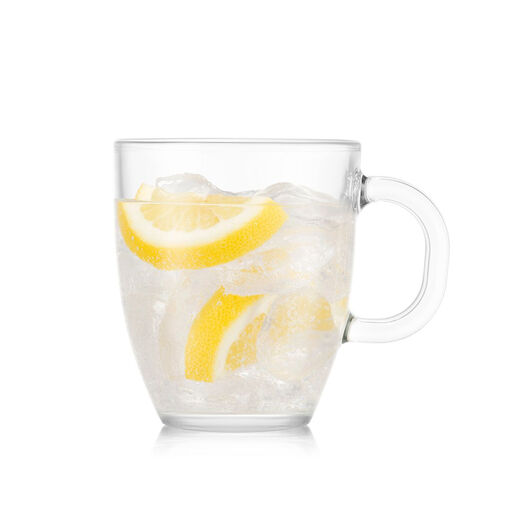
Why This Fits Their Persona: Ideal for coffee lovers who enjoy entertaining guests. The 350 ml size is perfect for latte macchiatos and other layered coffee specialities. The set ensures a uniform and stylish look on the coffee table.
Bodum is an established manufacturer known for using high-quality borosilicate glass and reliable craftsmanship of the silicone membrane. This minimises the risk of thermal shock and water ingress.
Large capacity for versatile drinks. The 6-piece set offers excellent value for a complete setup.
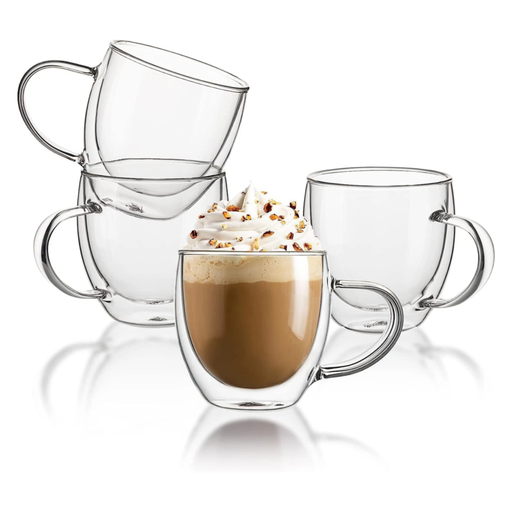
Why This Fits Their Persona: For the daily coffee or tea, comfort is key. The handle provides a secure, heat-insulated grip. The 250 ml size is a versatile all-rounder for cappuccino, tea, or a standard cup of coffee.
This model directly addresses the ergonomic problem of handle-less glasses. It combines insulating double-wall technology with the practical and safe handling of a traditional mug.
The ergonomic handle ensures maximum comfort and safety. According to the manufacturer, the glasses are made of borosilicate glass and are dishwasher-safe.
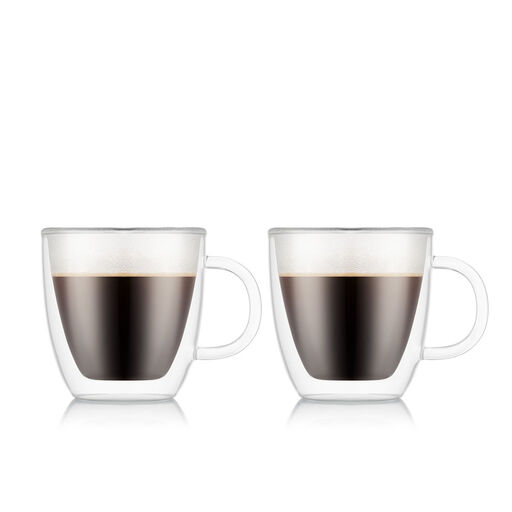
Why This Fits Their Persona: For owners of automatic or portafilter coffee machines who value the perfect espresso. The 150 ml size is ideal for a double espresso or a macchiato, keeping the temperature and crema stable.
This set avoids the "one-size-fits-all" mistake. An espresso would cool down quickly and lose its crema in a 350 ml glass. This specially sized glass ensures an optimal tasting experience.
The compact shape concentrates heat and preserves the crema. The double-walled design allows the hot glass to be held safely without a handle.
We have compiled a complete, up-to-date list of products that fully meet these strict selection criteria and rigorous quality standards.
Why do double-walled glasses fog up on the inside? This happens when the silicone membrane on the bottom of the glass leaks. Water and detergent penetrate the space between the walls during the wash cycle and leave unsightly residue upon drying. High-quality sealing is crucial to prevent this.
Are all double-walled glasses truly dishwasher-safe? Although many manufacturers claim they are, durability heavily depends on the quality of the seal. To maximise their lifespan, washing in the top rack of the dishwasher at lower temperatures is often recommended. For particularly delicate glasses, hand washing can be a safer alternative to protect the membrane.
What is the function of the small dot on the bottom of the glass? This dot is a hydrophobic silicone membrane and an important technical feature, not a flaw. It allows for pressure equalisation of the air in the space between the walls, which is caused by temperature changes. Without this membrane, the glass could be put under stress and break more easily.