
Lieferung heute & morgen

Qualitätsgarantie

Willkommens-Angebote freischalten: KOSTENLOSE Lieferung | Bis zu 80 % RABATT | Kostenlose 30-Tage-JoyPlus-Testphase
App herunterladen
Double-walled glasses combine a clean, elegant look with an insulating design. They’re available as double-walled coffee glasses, tea glasses, thermal glasses and glasses for cold drinks. Before you buy, it’s worth checking the capacity, material and care instructions carefully. Not every product description makes clear which temperatures a glass is suitable for or whether it can go in the dishwasher.
The term heat-resistant glasses doesn’t automatically mean a product is suitable for boiling liquids, the microwave or the oven. The manufacturer’s guidance is what matters. Borosilicate glass is often more resistant to temperature changes than ordinary glass. Even so, a sudden change from very cold to very hot can cause thermal shock.
Before you buy, check:
An espresso needs considerably less volume than a latte macchiato or a long drink. A set with a capacity of 200 to 280 ml is often a good choice for coffee, tea and smaller soft drinks. Models with a capacity of 350 to 450 ml are more practical for larger servings or ice cubes.
Make sure you don’t confuse the stated capacity with the amount you can comfortably pour into the glass. You shouldn’t fill a glass to the brim, especially when serving hot drinks.
The contents appear to float in double-walled glasses, giving them a distinctive look. But for everyday use, stability, the shape of the rim, weight and ease of cleaning matter too. Double-walled designs can be more sensitive to knocks. Take care not to damage any small valve or opening on the base of the glass.
These questions can help you choose:
Borosilicate glass is often used for thermal glasses because it can withstand changes in temperature. However, it isn’t unbreakable. Dropping it, knocking it hard or exposing it to sudden temperature changes can damage borosilicate glass too.
With whisky glasses, the shape is often the main consideration. A classic glass tumbler is suitable for whisky, water, juice or simple cocktails. For more delicate drinks, check the manufacturer’s guidance on food safety and care as well.
The shape also affects how you use a glass. Low whisky glasses usually have a wide opening and a stable base. Tall drinking glasses make the most of the available space for larger servings. Stemmed cocktail glasses are designed more for presentation and specific mixed drinks than for insulation.
Always check the specific product description. If a glass is explicitly described as dishwasher-safe, cleaning it can be more convenient. Harsh cleaning products and very hot wash cycles can affect the clarity of glass over time.
Check double-walled glasses for cracks, chips and other damage before each use. Don’t pour hot drinks straight into a glass that’s ice-cold. If you have children at home, bear in mind that broken glass can produce sharp shards.
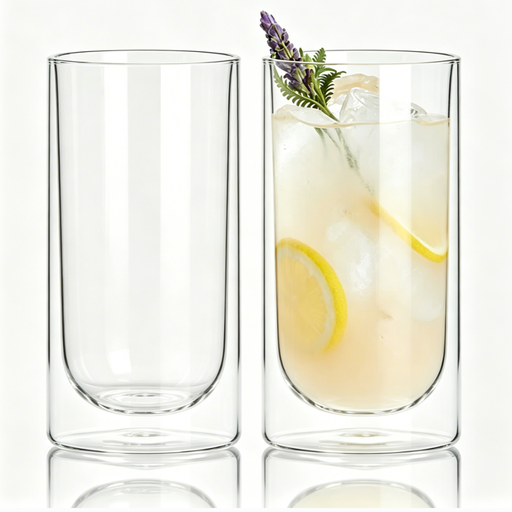
Why this product suits you: Two 280 ml glasses are a practical choice for everyday servings of coffee, tea, water and smaller cocktails.
The stated capacity and the two-glass pack make it easier to know what you’re buying before you order.
Double-walled design, 280 ml capacity and, according to the product description, suitable for hot and cold drinks.
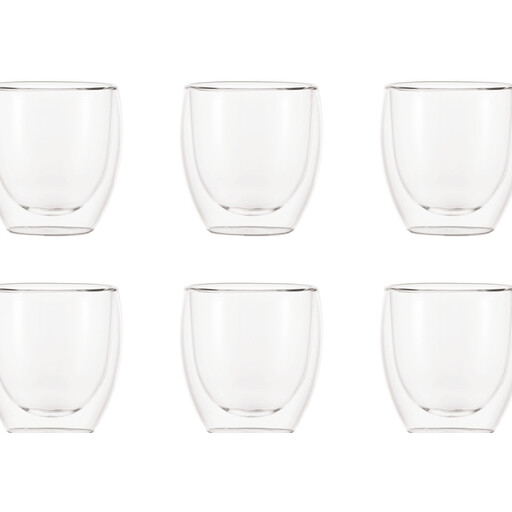
Why this product suits you: This set of six is ideal for households that regularly serve several drinks at once.
The number of glasses and their capacity are clearly stated, so you know exactly what the set includes.
Six double-walled thermal glasses, each with a 250 ml capacity, for a coordinated table setting.
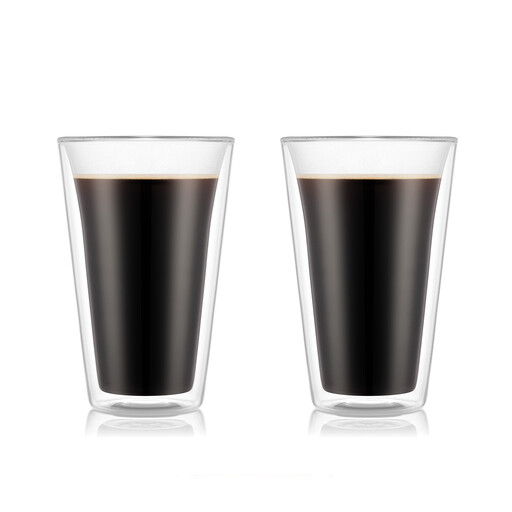
Why this product suits you: These two 400 ml glasses are designed for larger coffees, iced tea and cold drinks for everyday use.
The larger capacity means frequent users won’t need to overfill a small glass for a bigger serving.
0.4 l capacity and a double-walled design for hot and cold drinks, according to the product description.
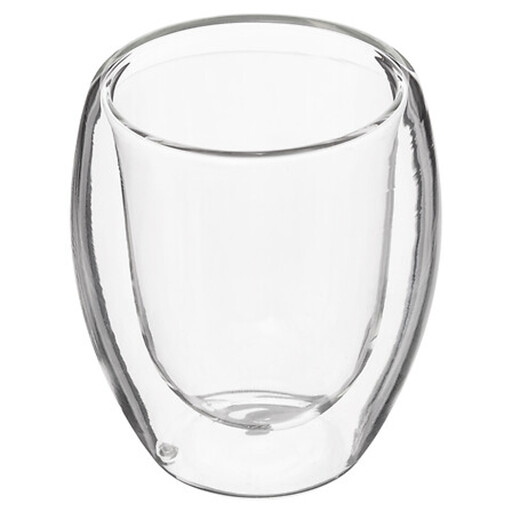
Why this product suits you: This set of two has a capacity of 7 cl (80 ml), making it the right size for espresso and ristretto.
The smaller capacity suits the intended use and helps you avoid choosing an oversized glass.
Double-walled borosilicate glass, stated to be dishwasher- and microwave-safe; not suitable for the oven.
We’ve put together a complete, regularly updated list of products that meet these strict selection criteria and the safety regulations in force in the EU.
Many models are designed for hot drinks. However, always follow the manufacturer’s guidance on the material, temperature range and care. Don’t pour boiling liquid straight into a glass taken directly from the fridge, and avoid sudden temperature changes.
Their lifespan depends on the material, how often they’re used and how they’re handled. Borosilicate glass may be more resistant to temperature changes, but it’s still fragile. Careful handling, suitable wash cycles and checking for cracks can all help your glasses last longer.
It depends on the model. Only put a glass in the dishwasher if the manufacturer explicitly says it’s dishwasher-safe. If you’re unsure, washing it by hand with a soft sponge and mild washing-up liquid is the safer option.