
Lieferung heute & morgen

Qualitätsgarantie

Willkommens-Angebote freischalten: KOSTENLOSE Lieferung | Bis zu 80 % RABATT | Kostenlose 30-Tage-JoyPlus-Testphase
App herunterladen
Double-walled glasses combine a clear look with an insulating layer of air between the glass walls. Depending on their design, they’re suitable for coffee, tea, water, juice or chilled drinks. Before buying, though, it’s worth checking the material, temperature guidance and cleaning instructions. Not every glass labelled “thermal” is automatically suitable for hot drinks, the dishwasher or everyday use.
Terms such as “heat-resistant” or “thermal glass” don’t tell you much on their own. What matters is whether the manufacturer specifically says the glass is suitable for hot drinks and what type of glass it’s made from. Borosilicate glass is often used for double-walled drinking glasses and handles temperature changes differently from standard soda-lime glass. However, a general safety claim is no substitute for the manufacturer’s guidance on how to use the glass.
Some thermal glasses are dishwasher-safe, while others should be washed by hand. Even products labelled dishwasher-safe may suffer surface damage over time from harsh detergents, high temperatures or an unsuitable position in the dishwasher. So check the care instructions for each model rather than relying on the product category alone.
A small 80 or 270 ml glass is well suited to espresso, digestifs or small hot drinks. For filter coffee, tea, water or long drinks, 300 to 400 ml is often more practical. The stated capacity also doesn’t mean you should fill the glass to the brim. For everyday use, it’s worth considering the shape, diameter and stability too.
Check the exact material listed. Borosilicate glass is often promoted for its ability to withstand temperature changes, but the manufacturer’s specific guidance is still what counts. Double-walled glasses shouldn’t be exposed to sudden, extreme temperature changes either. For example, don’t pour boiling water into a cold glass or place a hot glass straight onto a very cold surface.
Soda-lime glass is common in many classic drinking glasses. Products made from this material may be intended for cold or moderately warm drinks, but that doesn’t automatically make them heat-resistant. The Ina Low Tumbler, for example, is listed as suitable for temperatures from 0 to 80 °C. According to the product description, it isn’t suitable for boiling water, the microwave or the oven.
These typical uses can help you choose:
A handle can make larger glasses easier to use. For hot drinks in particular, check whether the glass is specifically intended for that purpose. A low tumbler, on the other hand, is usually best suited to water, juice, cocktails and other cold drinks.
If dishwasher-safe glasses are important to you, look for a clear statement in the product details. Hand-washing may be best for delicate or coloured glasses. Whatever the material, you should:
Why it suits this profile: With a capacity of 400 ml, this glass is a versatile choice for coffee, tea, water and juice at home or in the office. The integrated handle makes it easier to use.
The description says it’s suitable for hot and cold drinks and provides clear care guidance: it can go in the dishwasher, sudden temperature changes should be avoided, and it isn’t suitable for the microwave or oven.
400 ml capacity, a clear tumbler with a handle, and stated suitability for everyday cleaning in the dishwasher.

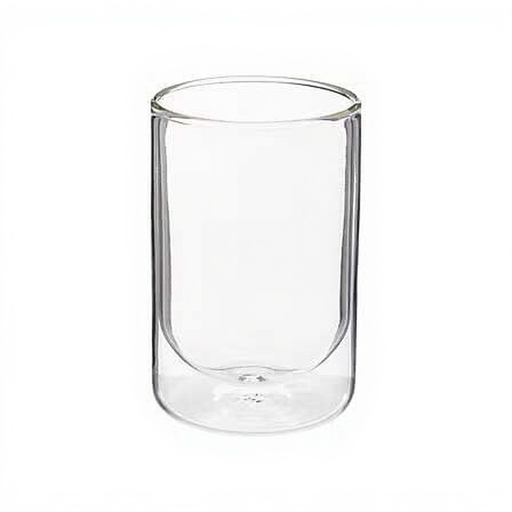
Why it suits this profile: This set of two mouth-blown borosilicate glasses combines a compact capacity with a clean, double-walled design.
The product name clearly specifies the material, manufacturing method, capacity and cleaning guidance. The “dishwasher-safe” claim makes it easier to assess than vague promises about thermal performance.
Borosilicate glass, a capacity of 270 ml, two glasses per pack and stated dishwasher suitability.
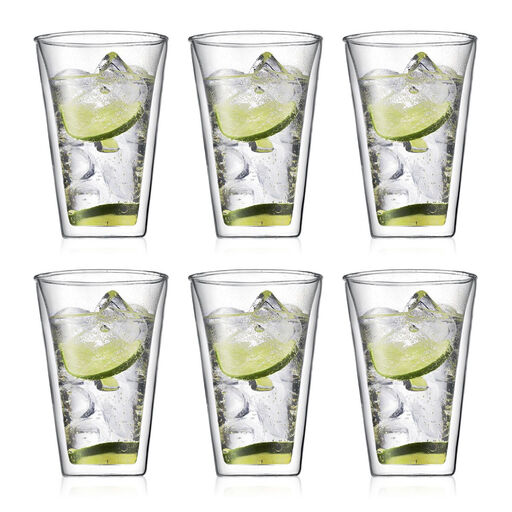
Why it suits this profile: With six glasses, each holding 0.4 l, this set is designed for households, offices and hosts who regularly serve drinks to a group.
The product description specifies that the glasses are intended for hot and cold drinks and explains their double-walled construction. This makes it easier to see that the set is suited to regular entertaining.
Six glasses with a 0.4 l capacity, double-wall insulation according to the product description, and a matching design for serving several guests.
We’ve put together a complete, regularly updated list of products that meet these strict selection criteria and fully comply with the safety regulations in force in the EU.
It depends on the material and the manufacturer’s guidance. Even borosilicate glass isn’t automatically approved for every temperature or temperature change. Only pour in boiling water if the product description specifically says it’s suitable. Pouring slowly and avoiding sudden temperature changes reduces the risk of damage.
There’s no reliable way to give a fixed lifespan. It depends on the material, construction, cleaning, impact and temperature changes. Damaged or chipped glasses should be taken out of use straight away. When storing them, stacking carefully or keeping them separate helps prevent scratches and chips around the edges.
Some models are labelled dishwasher-safe, while others need to be washed by hand. As well as checking the product description, look for guidance on temperature, detergent and where to place the glass in the dishwasher. Hand-washing may be specifically recommended for coloured soda-lime glasses. Always follow the guidance for the individual product rather than relying on the term “thermal glass” alone.