
Lieferung heute & morgen

Qualitätsgarantie

Willkommens-Angebote freischalten: KOSTENLOSE Lieferung | Bis zu 80 % RABATT | Kostenlose 30-Tage-JoyPlus-Testphase
App herunterladen
Double-walled glasses combine a clean look with an insulating construction. There is a layer of air between the two glass walls, which slows down heat transfer. This means many models are suitable for coffee and tea as well as chilled drinks. However, it is worth taking a close look at the technical specifications before buying. Not every glass with a modern design is suitable for every temperature, the dishwasher or use on the go.
Borosilicate glass is often described as a heat-resistant material. It can withstand changes in temperature better than conventional glass, but it is not unbreakable. Moving a glass directly from the freezer to boiling water can cause thermal shock, even if it is made from borosilicate glass. Always check the manufacturer’s specific instructions and avoid sudden temperature changes.
The insulating effect depends on factors including the glass thickness, filling quantity, starting temperature and surrounding conditions. Claims such as “keeps drinks hot for hours” should not be treated as a firm guarantee without specific testing conditions. Double-walled drinking glasses reduce heat transfer, but they do not replace sealable thermal mugs or vacuum containers.
“Dishwasher-safe” describes a product’s general suitability for cleaning in a dishwasher. Harsh detergents, high temperatures and frequent washing cycles can affect transparency. With double-walled glasses featuring a sealed space between the walls, the underside should also remain intact. Visible moisture between the walls is a sign that the glass should no longer be used.
The size determines how the glass can be used day to day:
For cafés, offices and catering businesses, set size, the option to buy replacements and consistent dimensions are often more important than an especially unusual design.
Borosilicate glass is used for many thermal glasses because it can be suitable for contact with hot and cold drinks. The specific product approval remains decisive. Check the following:
Microwave and dishwasher suitability are independent of one another. A product may be approved for microwave use but not be suitable for the oven. For example, the Cléa espresso cups specifically mention microwave suitability, but not use in the oven.
Tall, narrow double-walled coffee glasses are suitable for layered drinks and latte variations. Small double-walled espresso cups are designed for compact servings. A handle makes the glass easier to hold, while a handleless tumbler design often looks more versatile on a set dining table.
Also check whether the glasses are stackable. According to the product information, the Cléa models are not stackable. This is important for small kitchens or large stocks. When washing by hand, use soft sponges and mild washing-up liquid; steel wool and abrasive cleaners can scratch the surface.
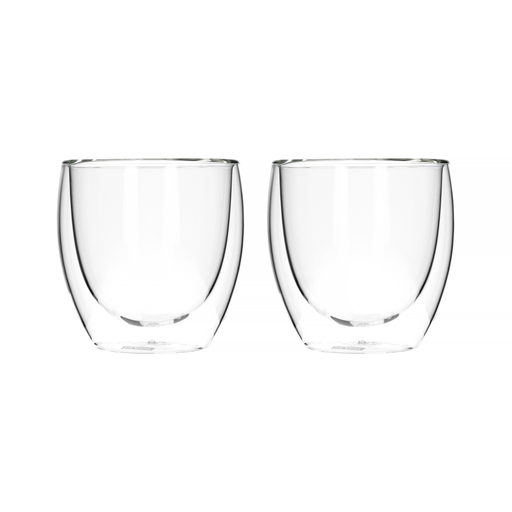
Why this product suits this profile: The 2-piece set with a capacity of 250 ml covers typical servings of coffee, tea, milk-based drinks and cold beverages. Its size is practical for everyday use without taking up much storage space.
The clearly stated capacity prevents a supposedly versatile glass from turning out too small for larger servings.
2-piece set and 250 ml capacity; according to the product name, suitable for hot and cold drinks as well as microwave use.
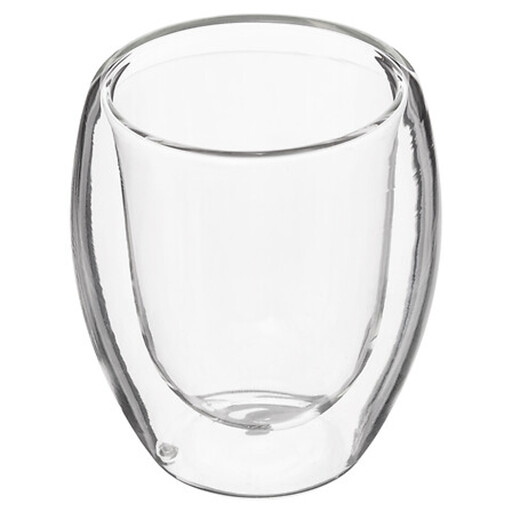
Why this product suits this profile: The two double-walled espresso cups made from borosilicate glass are designed for 7 cl or 80 ml servings, allowing the crema and the colour of the drink to be clearly seen.
The clear serving size prevents confusion with larger coffee cups; the lack of oven suitability is explicitly stated.
Borosilicate glass, double-walled construction and, according to the product information, dishwasher and microwave suitability.
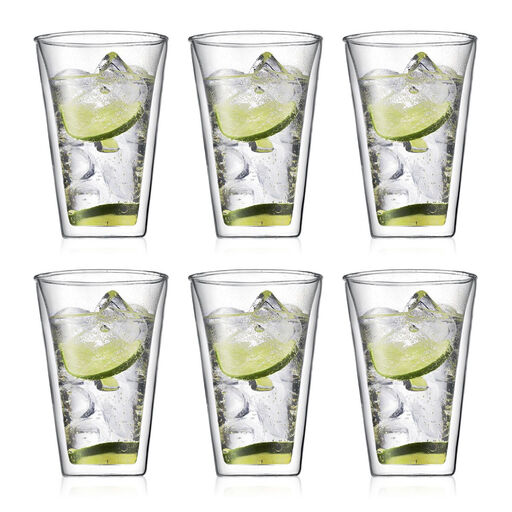
Why this product suits this profile: The set of six 0.4 l glasses is aimed at households that regularly entertain, as well as offices, cafés and smaller catering businesses.
The set size is clearly stated, making it easier to plan quantities instead of combining individual glasses from different ranges.
Six double-walled thermal glasses, each with a capacity of 0.4 l; suitable for larger quantities of drinks at the table.
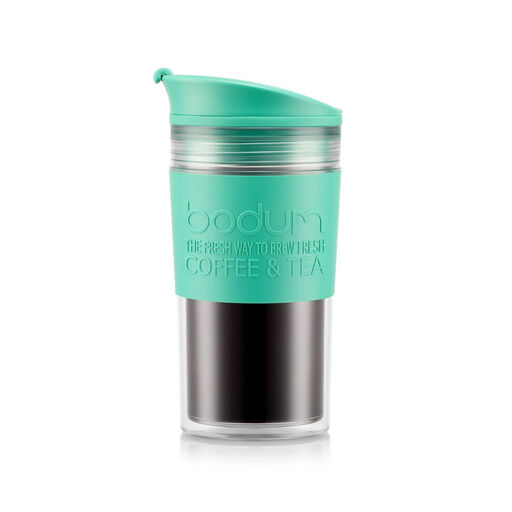
Why this product suits this profile: The 350 ml thermal mug with lid is designed for commuting, travelling and use at work when you need a sealable container.
A lid helps reduce the risk of splashes. However, the mug should still be transported upright, as the information provided does not indicate unrestricted leak-proof performance.
350 ml capacity, double-wall system and splash-resistant lid according to the product description.
We have put together a complete, regularly updated list of products that fully meet these strict selection criteria and the safety regulations applicable in the EU.
Many models are designed for hot and cold drinks. However, the relevant manufacturer’s information on the material, temperature range and intended use is decisive. Heat-resistant glasses should not be moved directly from very cold conditions to boiling-hot temperatures.
Some models are explicitly dishwasher-safe, including the Cléa espresso cups mentioned above. Check the product description before buying. Gentle programmes and hand washing can help preserve transparency for longer.
There is no universal fixed service life. It depends on the material, build quality, knocks, scratches and temperature changes. If there is visible damage or moisture between the glass walls, the glass should be discarded for safety reasons.