
Lieferung heute & morgen

Qualitätsgarantie

Willkommens-Angebote freischalten: KOSTENLOSE Lieferung | Bis zu 80 % RABATT | Kostenlose 30-Tage-JoyPlus-Testphase
App herunterladen
Double-walled glasses combine a transparent appearance with an insulating construction. There is a layer of air between two glass walls, slowing down heat exchange. This makes these glasses suitable for coffee, tea, cold brew, cocktails and many other drinks.
However, a modern appearance is not the only important consideration when buying. Unclear capacity information, missing care instructions or an unsuitable glass shape can often mean that a product does not meet expectations in everyday use. The following criteria will help you compare double-walled thermal glasses objectively and choose a suitable option for your household.
Figures such as 250 ml, 350 ml or 400 ml generally refer to the maximum capacity. Less space is available when serving coffee with milk foam, ice cubes or toppings. If you regularly drink latte macchiato, iced coffee or large teas, it is therefore worth allowing some extra room.
For espresso and small tastings, 80 to 100 ml is usually sufficient. Classic glass coffee mugs often hold between 250 and 350 ml. For cold brew or larger cold drinks, 300 to 400 ml may be more practical.
Even borosilicate glass can break when exposed to sudden and significant changes in temperature. Placing a hot glass directly on a wet or very cold surface is just as unsuitable as pouring cold liquid into a heavily heated vessel.
Double-walled glasses should therefore be used in accordance with the manufacturer’s instructions. The term heat-resistant glasses describes suitability for certain temperature ranges, not a guarantee against damage.
According to its description, a product may be dishwasher-safe without being approved for use in a microwave or oven. For example, the Secret de Gourmet Double-Wall Tumbler is described as suitable for dishwasher cleaning, while use in a microwave and oven is discouraged. Strong temperature changes should also be avoided.
It is worth checking the care instructions before buying. Glasses with wooden lids, rubber seals or straws often have additional restrictions.
Borosilicate glass is used for many double-walled drinking glasses. It is known for its comparatively good resistance to temperature changes and provides a clear view of the drink’s colour and layers. Nevertheless, glass remains a fragile material.
Look for even construction, a neatly finished drinking rim and a stable base. On models with a handle, the connection between the glass and handle should be carefully made. A handle can make hot drinks easier to hold, but it also changes the amount of cupboard space required.
Slim glasses are often comfortable to hold and fit beneath many coffee machines. Wider shapes, on the other hand, provide more room for ice, milk foam or layers of dessert. If you are looking for a double-walled glass set for several occasions, check whether the included sizes really suit your drinking habits.
Dishwasher-safe insulated drinking glasses reduce the effort required for cleaning. Even so, delicate models may retain their appearance for longer when washed by hand, particularly if they are not treated with harsh cleaning products or abrasive sponges.
Also check:
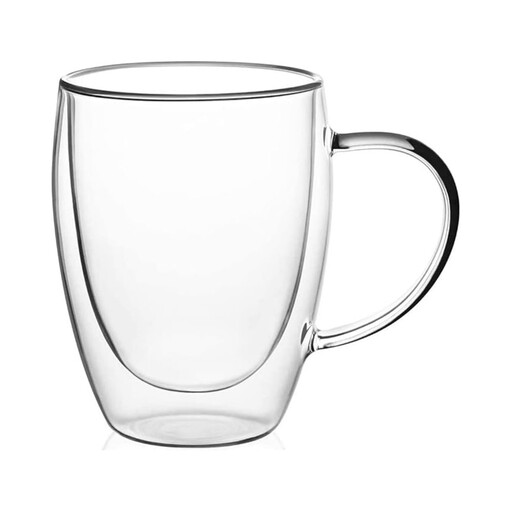
Why this product suits this profile: The 2-piece set with a 350 ml capacity is aimed at households looking for two glass coffee mugs for coffee, tea or cold drinks. The handles provide a secure grip.
The clearly stated set size and capacity make comparison easier. Nevertheless, check the specific care instructions before ordering.
2-piece set, 350 ml capacity and handles; designed for hot and cold drinks.
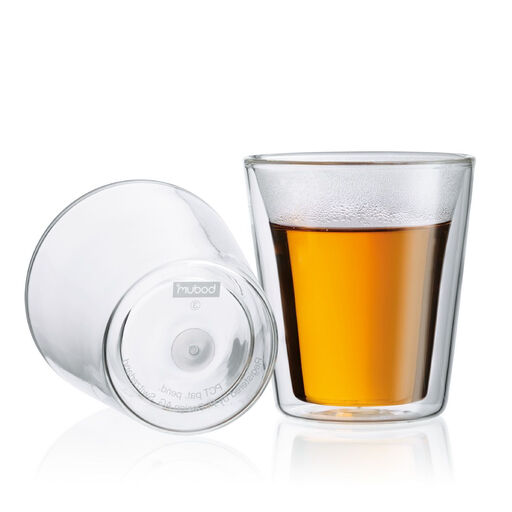
Why this product suits this profile: The six-piece set is suitable for households and serving occasions where several matching glasses are needed. According to the product description, they are made from heat-resistant borosilicate glass and are dishwasher-safe.
The 0.2 l size is clearly stated, preventing buyers from choosing a supposedly large all-purpose glass for small portions.
6 glasses, 0.2 l per glass, double-walled construction and borosilicate glass according to the product description.
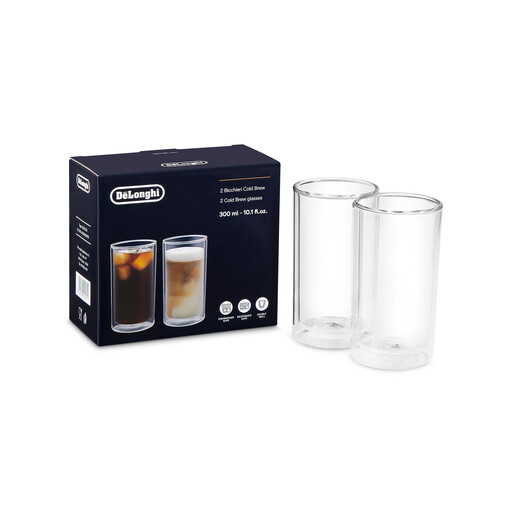
Why this product suits this profile: The set includes two glasses, each holding up to 300 ml, and is designed for cold coffee drinks such as cold brew, according to the product information.
Its stated specialisation in cold coffee drinks prevents buyers from choosing a small espresso glass for large cold-brew portions.
2 glasses, capacity of up to 300 ml and dishwasher suitability according to the product description.
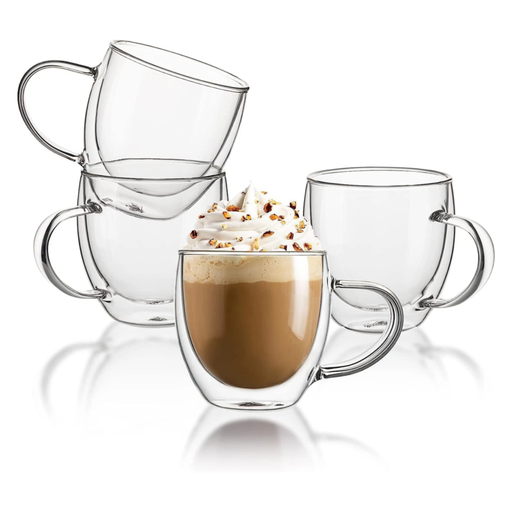
Why this product suits this profile: The 250 ml size is suitable for cappuccino, latte or tea. The specified borosilicate glass and handle will appeal to buyers who value ease of use and a clear view of their drink.
The product information specifies the material, capacity, handle, stackability and cleaning requirements. Even so, sudden temperature changes should be avoided.
250 ml, 2-piece set, handles, double-walled borosilicate glass and dishwasher-safe according to the product description.
We have put together a complete, regularly updated list of products that fully meet these strict selection criteria and the safety regulations applicable in the EU.
For espresso, mocha or small desserts, 80 to 100 ml is sufficient. If you serve tea, cappuccino or smaller juices, 200 to 250 ml is usually a good choice. 350 ml gives you more room for milky coffee, iced coffee and larger portions. For cold brew, iced water or cocktails, 300 to 400 ml may be suitable.
A handle is not essential for hot drinks, but it can make them easier to handle. For cold drinks, handle-free glasses often take up less space and are easier to fill with ice or garnishes.
Many models are designed for hot and cold drinks. The key factors are the manufacturer’s specific details regarding the material, temperature range and care requirements. Even with borosilicate glass, extreme temperature changes should be avoided.
The layer of air between the glass walls acts as a thermal barrier. With cold drinks, this means the outer surface cools down less, resulting in less condensation under suitable conditions. However, complete freedom from misting cannot be guaranteed in every environment.
It is not possible to give a general fixed lifespan. This depends on the quality of the glass, how it is used and cleaned, and whether knocks or sudden temperature changes are avoided. Careful handling, leaving sufficient space in the cupboard and following the care instructions can help extend their service life.