
Lieferung heute & morgen

Qualitätsgarantie

Willkommens-Angebote freischalten: KOSTENLOSE Lieferung | Bis zu 80 % RABATT | Kostenlose 30-Tage-JoyPlus-Testphase
App herunterladen
Finding the perfect fabric softener can quickly become overwhelming. While the promise of wonderfully soft laundry and a long-lasting fragrance is alluring, not every product delivers. The wrong choice can lead not only to disappointing results but also to unnecessary costs and irritation for sensitive skin.
As your Joybuy Product Recommendation Officer, I'm here to help you identify the common pitfalls and make an informed choice.
Before you add a product to your cart, be aware of these common issues to avoid disappointment.
To find the right fabric softener for your needs, you should focus on three core aspects. These will help you objectively evaluate a product's performance.
The foundation of every fabric softener is cationic surfactants. These agents coat the textile fibres, smoothing them and reducing static cling. The result is soft laundry that feels more comfortable against the skin and is easier to iron.
For individuals with sensitive skin, a close look at the ingredients list is essential. A sensitive fabric softener should ideally be dermatologically tested and free from known allergens, dyes, and preservatives.
For fragrant laundry that retains its freshness for days, modern scent technologies are crucial. There are two common approaches:
A fabric softener's efficiency is indicated in wash loads (WL). A concentrate is often more economical to use than a standard product. Pay close attention to the manufacturer's dosage recommendations to avoid overuse. Too much fabric softener can reduce the absorbency of textiles, especially towels.
Here are some product recommendations tailored to different needs and households.
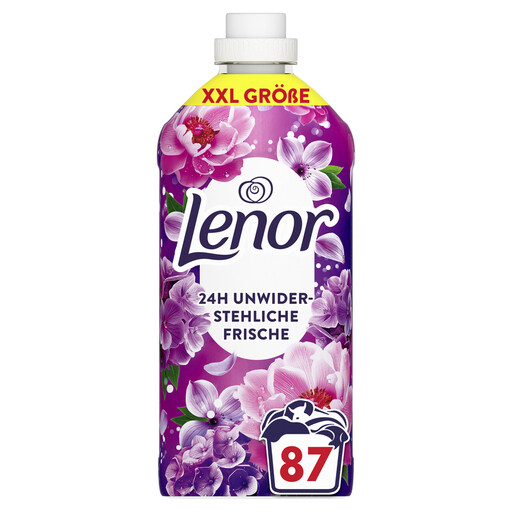
Why it's a great fit: Ideal for anyone who loves an intense, long-lasting fragrance that's still noticeable even after days in the wardrobe. The scent composition of floral and amber notes is designed for a sensual laundry experience.
According to the manufacturer, it uses touch-activated freshness technology. The scent is stored in microcapsules and released with movement, which extends the fragrance duration.
The formula is also effective in short and cold wash cycles. According to the manufacturer, the bottle is made from recycled plastic (excluding the cap & label).
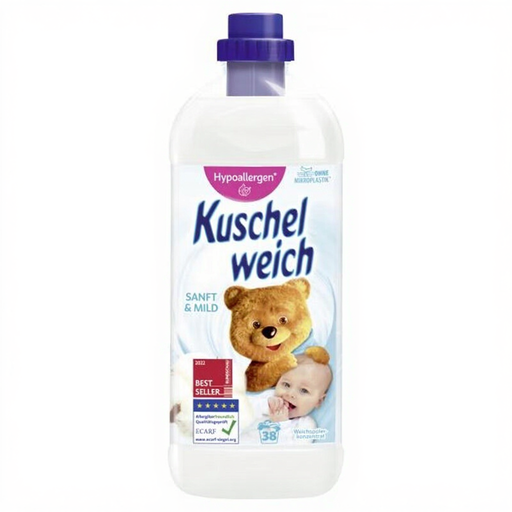
Why it's a great fit: This product from Kuschelweich is specially designed for the needs of people with sensitive skin. It aims to soften laundry without stressing the skin with harsh ingredients.
The product name "Gentle & Mild" signals a clear focus on skin compatibility. The formula is designed for mild care, which is intended to reduce the risk of skin irritation.
Offers the classic benefits of a fabric softener—soft laundry and easier ironing—with a focus on a gentle formula. Suitable for daily use in families.
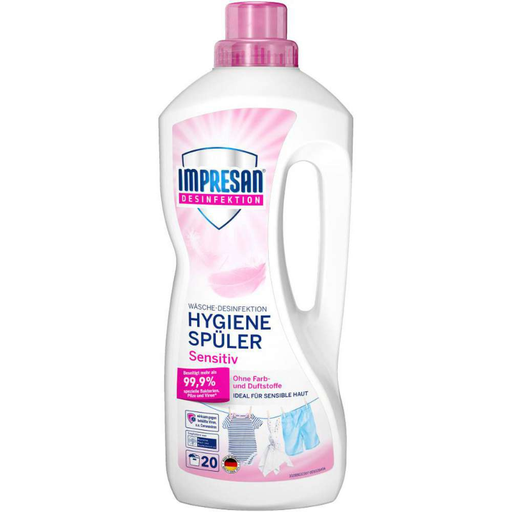
Why it's a great fit: For sportswear, towels, or baby clothes where hygienic cleanliness is the top priority. This product is not a classic fabric softener, but a laundry sanitizer.
This product is specifically positioned as a hygiene rinse. According to the manufacturer, it removes bacteria, fungi, and viruses even at low wash temperatures, thus combating the root cause of odours.
Provides hygienic safety where a normal detergent is not enough, especially at temperatures below 60°C. The "Sensitive" version is also designed for skin compatibility.
We have compiled a complete, up-to-date list of products that fully meet these strict selection criteria and all applicable safety regulations.
1. Can fabric softener affect the absorbency of towels? Yes, it can. The cationic surfactants that make laundry soft can coat the fibres, which reduces their ability to absorb water. It is recommended to avoid using fabric softener on towels, sportswear, and microfibre cloths, or to use it very sparingly (e.g., only every third or fourth wash).
2. What is the difference between fabric softener and an in-wash scent booster? A fabric softener's primary job is to smooth and soften laundry fibres; the fragrance is an additional feature. An in-wash scent booster, on the other hand, is used exclusively to give laundry an intense and long-lasting scent. It has no softening properties. Both products can be combined for a maximum fragrance experience.
3. Are there alternatives to liquid fabric softener? Yes, there are several alternatives. One option is reusable products like the Kuno Hygiene Silver Cloth, which, according to the manufacturer, uses silver ions to neutralise odour-causing bacteria and can be used up to 150 times. It is a fragrance-free alternative for hygienically fresh laundry. Other alternatives include dryer sheets or simple household remedies, although their effectiveness can vary.