
Lieferung heute & morgen

Qualitätsgarantie

Willkommens-Angebote freischalten: KOSTENLOSE Lieferung | Bis zu 80 % RABATT | Kostenlose 30-Tage-JoyPlus-Testphase
App herunterladen
The wrong pillow can do more than just disrupt your sleep—it can lead to neck tension, shoulder pain, and restless nights. But the market is saturated with tempting promises and technical jargon, making the choice difficult. As your Joybuy Product Recommendation Officer, I'll help you identify the crucial features and avoid common buying traps, so you can make an informed decision for your sleep comfort.
Many buyers focus on superficial features and are later disappointed. Watch out for these common misconceptions:
To make the right choice, you should focus on three objective criteria. These determine whether a pillow is right for you or not.
The fill material is the heart of every pillow, defining its supportive properties and durability.
The right shape and height are crucial for keeping the cervical spine in a neutral, straight alignment with the rest of the spine.
The standard size in Germany is the 80x80 cm pillow. While this size conveys a sense of plushness, it often supports the shoulder area as well, which can compromise its ergonomic function. Smaller formats (e.g., 40x80 cm) concentrate the support specifically on the head and neck.
For a long lifespan and good hygiene, a removable and washable cover is essential. An additional pillow protector effectively shields the pillow's core from moisture, sweat, and allergens, significantly extending its usability.
Based on the criteria above, we have curated a selection of products for specific user profiles.
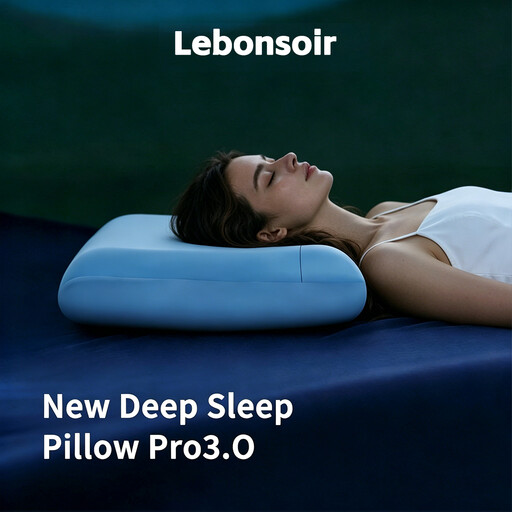
Why this product is a good fit: This pillow is specifically designed to alleviate neck and shoulder pain. Its ergonomic contour adapts to the natural curve of the neck, providing targeted support to keep the spine in a neutral position. It is suitable for side and back sleepers seeking stable alignment.
Instead of just being soft, it offers a sophisticated 3-layer construction. It combines a soft top layer with firmer support and base layers to prevent sinking in too deeply and to ensure consistent support.
The combination of memory foam and supportive foam layers provides both pressure relief and stability. The breathable cover promotes a comfortable sleep climate.
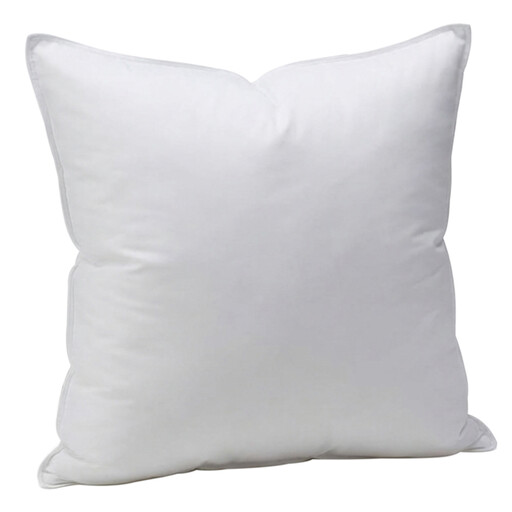
Why this product is a good fit: This pillow set in the classic 80x80 cm format offers the voluminous and inviting feel that many associate with high-end hotel beds. It's a straightforward choice for anyone seeking a soft yet supportive pillow for various sleep positions and who values a great price-performance ratio.
It avoids the "one-size-fits-all" myth by positioning itself as a versatile pillow with a balanced blend of softness and firmness, rather than making unrealistic ergonomic promises. It is a proven, classic option.
The hypoallergenic filling makes it suitable for sensitive individuals. The 2-pack also offers an attractive price-performance ratio for outfitting the bedroom.
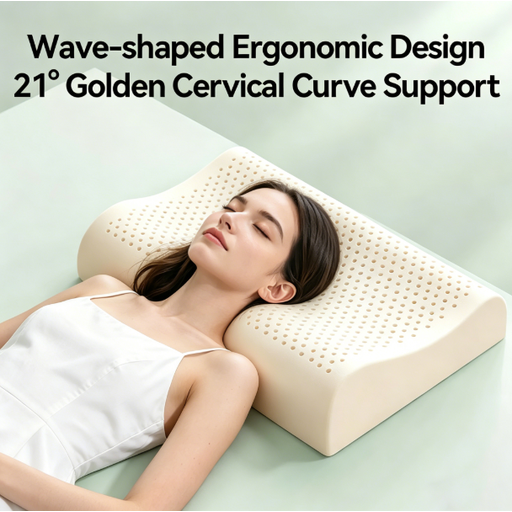
Why this product is a good fit: Made from 93% natural latex, this pillow is an excellent choice for people who value natural materials, breathability, and a hygienic sleep environment. The wave-like, ergonomic structure provides adaptive support for the neck and shoulders.
Instead of vague material promises, it provides concrete facts: 93% natural latex from Thailand. This substantiates claims about breathability and hypoallergenic properties, as latex is naturally resistant to dust mites.
The open-cell structure of the latex ensures excellent air circulation and a cool, dry sleep climate. Its resilient elasticity provides long-lasting, shape-retaining support.
We have compiled a complete, up-to-date list of products that fully meet these strict selection criteria and safety standards.
For hygiene reasons and because supportive power diminishes over time, it is recommended to replace a pillow every 1 to 3 years. Visible deformities, clumping of the filling, or discolouration are clear signs that it's time for a new pillow. A washable cover and a pillow protector can extend its lifespan.
For side sleepers, the pillow should be high and firm enough to completely fill the space between the ear and the mattress. The goal is for the cervical spine to form a straight line with the rest of the spine. The exact height depends on individual shoulder width and mattress firmness. A special side sleeper pillow is often shaped to meet this requirement.
Yes, a suitable pillow can significantly contribute to alleviating neck pain by promoting an ergonomically correct sleeping posture. Conversely, an unsuitable pillow can be the cause of tension. A pillow for neck pain is typically an ergonomic pillow that provides targeted support to the neck and keeps the head stable.