
Lieferung heute & morgen

Qualitätsgarantie

Willkommens-Angebote freischalten: KOSTENLOSE Lieferung | Bis zu 80 % RABATT | Kostenlose 30-Tage-JoyPlus-Testphase
App herunterladen
The selection of drawing supplies can be overwhelming. Whether for professional projects, a hobby, or a child's first creative attempts, the right material is crucial for the final result. However, vague product descriptions and marketing hype often lead to purchase mistakes. As your Joybuy Product Recommendation Officer, I'll help you identify the key features and make an informed choice.
Before we dive into the details, let's address three common problems that often lead to disappointment:
To avoid these pitfalls, focus on three verifiable criteria. These will help you objectively evaluate the quality of artist pencils.
The vibrancy and longevity of your artwork depend directly on these two factors.
The lead is the heart of every pencil. Its composition determines the drawing feel and range of applications.
A good pencil should feel comfortable in your hand and be durable.
Based on these criteria, we have curated a selection of products that are particularly well-suited for specific user groups.
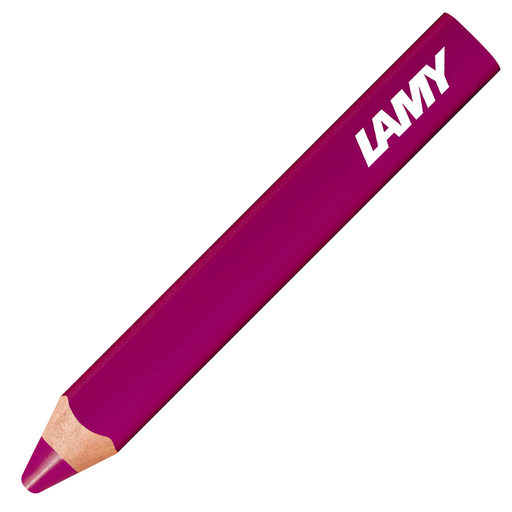
Why This Fits Their Persona: This product is ideal for children discovering their creativity. The 3-in-1 function as a colored pencil, wax crayon, and watercolor pencil offers maximum versatility, while the thick, ergonomic shape is perfectly suited for small hands.
It avoids the trap of mismatched sets by being specifically designed for the motor skills and exploratory drive of children. The extra-thick lead is extremely break-resistant and can withstand high pressure.
Multifunctionality (3-in-1) and a robust, ergonomic design. It's even erasable with water from smooth surfaces.
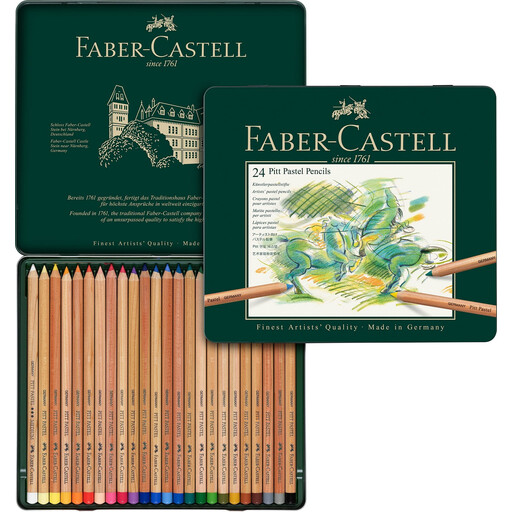
Why This Fits Their Persona: This set provides a high-quality entry point into pastel drawing. The pencils allow for fine details that are difficult to achieve with pure pastel sticks, and the 24-color selection is ideal for getting started. The metal tin protects the delicate pencils.
It bypasses the "artist-grade" fallacy, as Faber-Castell is renowned for its high pigmentation and lightfastness. Instead of a cheap set with chalky leads, you get a tool with verifiable quality.
High pigmentation for vibrant colors and an oil-free lead that is excellent for smudging. The pencil form factor allows for clean, precise work.
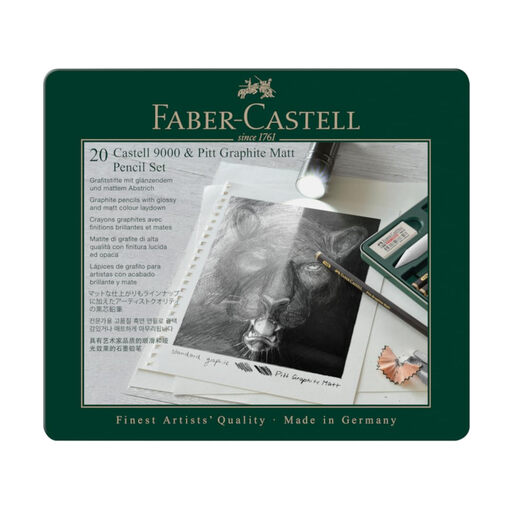
Why This Fits Their Persona: This set is aimed at professionals who demand the highest standards from their materials. The combination of the classic Castell 9000 with the innovative, reflection-reducing Pitt Graphite Matt pencils offers maximum control and expressive depth for sophisticated graphite work.
This is not an all-purpose set, but a specialized tool. It avoids the brittle lead trap thanks to the proven, break-resistant bonding of the Castell 9000 series and the high quality of the Matt pencils.
The Pitt Graphite Matt pencils produce an extremely matte, deep black laydown that minimizes light reflections. The set covers a wide spectrum of hardness grades.
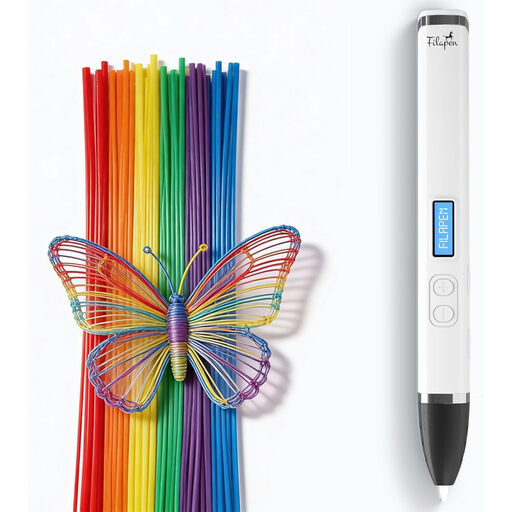
Why This Fits Their Persona: For anyone looking to think beyond two-dimensional drawing, this 3D Pen is a fascinating option. It allows for the creation of three-dimensional objects and playfully promotes spatial reasoning.
It addresses the safety concerns many parents have with 3D pens. According to the manufacturer, the PCL filament melts at just 55–65 °C, significantly reducing the risk of burns compared to PLA/ABS pens (190–210 °C).
Low processing temperature for enhanced safety. The set also includes templates that make it easy to get started and achieve quick successes.
We've compiled a complete, up-to-date list of products that fully meet these strict selection criteria and rigorous safety standards.
1. What does lightfastness mean for colored pencils and why is it important? Lightfastness describes the resistance of color pigments to fading from light exposure. A high lightfastness rating (often indicated by stars or codes like ASTM D6901) is important if you want your artwork to retain its color brilliance for years. For professional work or pictures that will be displayed, this is an indispensable quality feature.
2. How do I properly store drawing charcoal and pastel pencils to prevent them from breaking?Drawing charcoal and pastel pencils are inherently very fragile. Storing them in a sturdy metal tin or a case with separate compartments for each pencil is ideal to protect them from impact and breakage. Avoid transporting them loose in a drawer or bag.
3. Can I use any sharpener for artist pencils? Not necessarily. Many artist pencils have a larger diameter or a softer lead than standard graphite pencils. A high-quality sharpener with a sharp blade, designed for the specific diameter, will prevent the lead from breaking and the wood from splintering. For very soft or thick leads (e.g., pastel or charcoal), a sharp craft knife can also be a good alternative.