
Lieferung heute & morgen

Qualitätsgarantie

Willkommens-Angebote freischalten: KOSTENLOSE Lieferung | Bis zu 80 % RABATT | Kostenlose 30-Tage-JoyPlus-Testphase
App herunterladen
The market for robot vacuums and mops is vast, and manufacturers' marketing promises are often even vaster. Anyone looking for a reliable cleaning assistant is faced with a flood of technical specs and advertising slogans. But not every device delivers on its promises. Certain common weaknesses often mean that an expensive purchase brings more frustration than relief after just a few months.
As your Joybuy Product Recommendation Officer, I'm here to help you identify these pitfalls. Instead of falling for exaggerated advertising, you should focus on the crucial technical features. The most common problems are:
A closer look at the core functions is therefore essential to make an informed decision.
To separate the wheat from the chaff, focus on three technical aspects that determine the actual, real-world cleaning performance.
Suction power, measured in Pascals (Pa), is an important indicator, but it's only meaningful in conjunction with the main brush. A model like the Dreame L10s Pro Gen3 advertises a value of 13,000 Pa. However, the crucial factor is how this power is transferred to the floor. A floating, bristleless rubber brush adapts to uneven floors and can pick up hair with minimal tangling. This combination is particularly relevant for households with pets and carpets, as it enables the deep clean that a robot vacuum for pet hair and carpets must provide.
An advanced robot vacuum with mopping function should do more than just wipe. Systems like the DuoScrub on the Dreame L10s Pro Gen3 use two rotating mops that are pressed onto the floor. This scrubbing action also loosens dried-on stains and stubborn dirt, rather than just smearing it around. Look for specifications on rotation and downward pressure to ensure the mopping function offers real added value.
A robot's ability to move autonomously and efficiently through your home is fundamental. A robot vacuum with laser navigation (LDS) creates precise maps of your rooms and plans systematic cleaning routes. Modern devices supplement this with 3D sensors or structured light scanners (like 3DAdapt on the Dreame model) to detect and navigate around low-lying obstacles like shoes, cables, or toys in real-time. A good robot vacuum with an app also allows you to configure no-go zones and cleaning schedules individually. A robot vacuum with mop lifting feature is another advantage, as it enables a seamless transition from hard floors to carpets without manual intervention.
Based on these objective criteria, we have identified a few models that are suitable for different user profiles and their specific requirements.
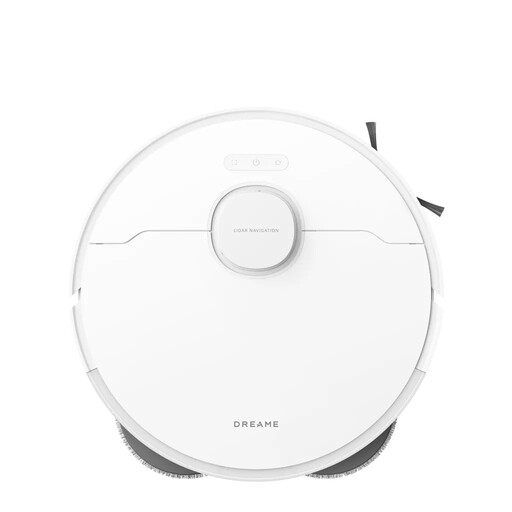
Why This Fits Their Persona: Ideal for users with mixed floor types (hard floors and low-pile carpets) who are looking for a fully automated solution for vacuuming and mopping in a single pass.
The DuoScrub mopping system with rotating mops and downward pressure prevents it from just spreading dirt around. The 3DAdapt obstacle detection minimises getting stuck on everyday objects.
The automatic 7 mm mop lift on carpets allows for uninterrupted cleaning of the entire home. The high suction power of 13,000 Pa is effective on pet hair.
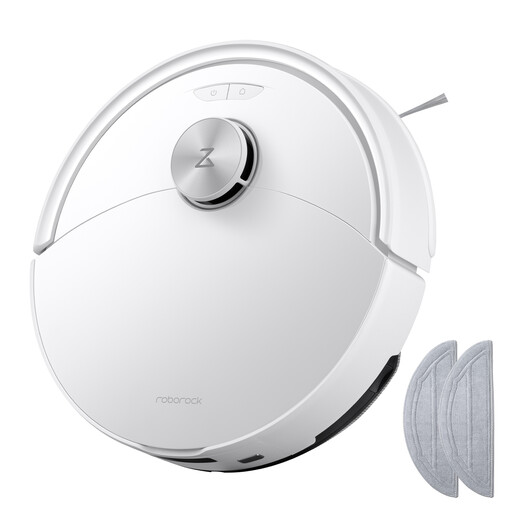
Why This Fits Their Persona: Suitable for households with a high proportion of carpets and pets, where maximum suction power and minimal hair tangling are the priority.
The dual anti-tangle system counteracts the common problem of brushes getting blocked by hair. The high suction power of 10,000 Pa delivers proven performance on carpets.
The system is specifically designed to pick up long hair and pet fur. Like the Dreame, this model also features an automatic mop lift for mixed flooring.
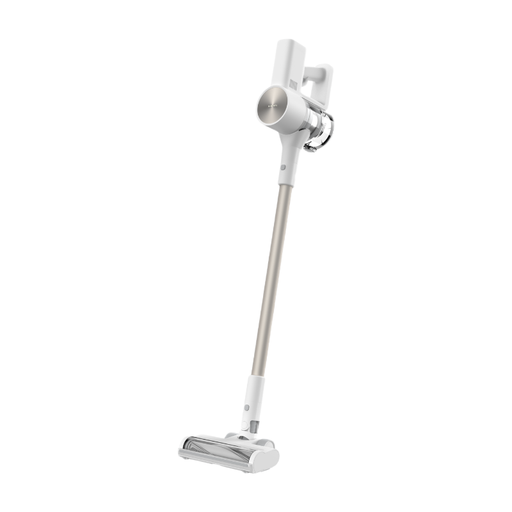
Why This Fits Their Persona: For users who need a quick, manual cleaning solution for areas a robot vacuum can't reach, like stairs, upholstery, or the car.
As a manual device, it bypasses the typical autonomy pitfalls like navigation errors. It delivers targeted, high suction power exactly where it's needed, without compromise.
Cordless freedom and a set of four different attachments make it a versatile tool for spot-cleaning upholstery, crevices, and hard-to-reach corners.
We have compiled a complete, real-time list of products that fully satisfy these strict selection criteria and UK safety regulations.
1. How well does the Dreame L10s Pro Gen3 handle pet hair on carpets? The combination of the high 13,000 Pa suction power and the bristleless rubber brush is specifically designed for picking up hair. The brush minimises tangling, and ultrasonic sensors automatically increase suction power when the robot detects a carpet to effectively remove deep-seated pet hair.
2. Can I put cleaning solution in the water tank of the L10s Pro Gen3? According to Dreame's manufacturer specifications, primarily clean tap water should be used for the DuoScrub mopping system to avoid damaging the internal components. Using non-approved cleaning solutions may void the warranty. Always check the information in the user manual for your specific device.
3. How does the automatic mop lifting work in practice? The Dreame L10s Pro Gen3 uses ultrasonic sensors to identify carpets. As soon as a carpet is detected, the robot automatically lifts its two mopping pads by 7 mm. This prevents the carpet from getting wet and allows the robot to seamlessly transition from mopping on hard floors to vacuuming on carpets without any manual intervention. This is particularly advantageous in homes with many different floor types.