
Lieferung heute & morgen

Qualitätsgarantie

Willkommens-Angebote freischalten: KOSTENLOSE Lieferung | Bis zu 80 % RABATT | Kostenlose 30-Tage-JoyPlus-Testphase
App herunterladen
By the Joybuy Product Recommendation Officer, August 30, 2026
A new chest of drawers promises style and order, but the post-purchase reality is often disappointing. Drawers get stuck, the surface wears out quickly, or the piece of furniture doesn't fit the space as expected. As your Joybuy Product Recommendation Officer, I'll help you navigate the common pitfalls and make an informed decision based on facts, not marketing promises.
Many buyers focus on design and overlook critical technical flaws that severely impact longevity and functionality. These primarily include:
To avoid a bad buy, you should focus on objective and measurable parameters. These three points are crucial for selecting a durable and practical chest of drawers.
The material determines the stability and lifespan of your chest of drawers. Look for the following specifications:
Measure the available space precisely before making a decision. Consider not only width and height but also depth.
Not every chest of drawers is suitable for every room. The intended use places specific demands on the furniture.
Based on these objective criteria, we have compiled a few models for different needs and living situations.
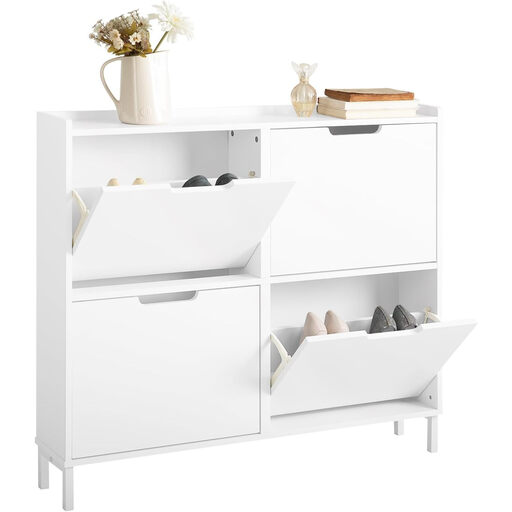
Why This Fits Their Persona: Ideal for city dwellers who need maximum storage in tight entryways or narrow corridors without sacrificing valuable floor space. The vertical design is a classic space-saving solution.
The construction from E1-grade MDF and the included anti-tip kit directly address the problem of instability. The shallow 19 cm depth is precisely designed for tight spaces, preventing planning errors.
Extremely shallow depth of 19 cm for maximum space efficiency. Four flip-down compartments offer organised, dust-free storage for shoes.
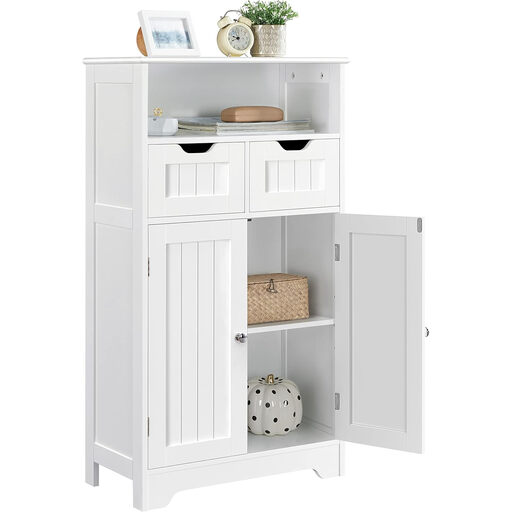
Why This Fits Their Persona: Suitable for budget-conscious households looking for a versatile piece of furniture that adapts to various needs—whether in the bathroom, hallway, or living room. The combination of open and closed compartments is practical for everyday use.
The adjustable shelf behind the door offers flexibility that rigid, impractical compartments lack. The anti-tip kit and magnetic door catches are details often missing from lower-quality constructions.
Combination of an open shelf, two drawers, and a cabinet for versatile storage. The internal shelf is adjustable to three heights.
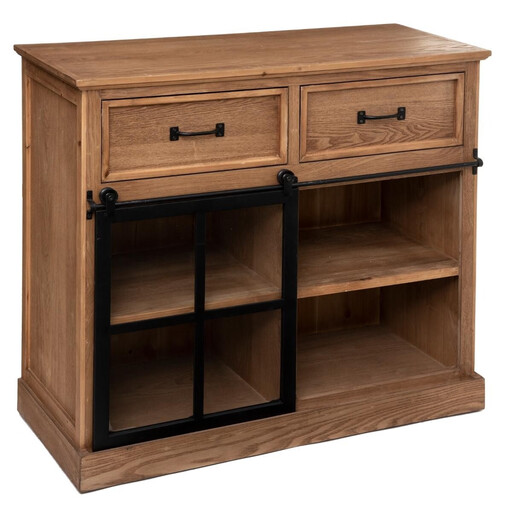
Why This Fits Their Persona: For users who see furniture not just as storage, but as a design statement. The material mix of fir wood, steel, and tempered glass fits well with modern and neo-vintage interior styles.
The use of fir wood for the structure and steel for the door provides a robustness that goes beyond simple foiled particle board. The sliding door made of tempered glass is a durable and safe detail.
Striking design through the contrast of natural wood and industrial elements. High load capacity of up to 75 kg.
We have compiled a complete, up-to-date list of products that fully meet these strict selection criteria and German safety regulations.
Taller or narrower chests of drawers should always be secured to the wall for safety. Many manufacturers include an anti-tip kit (usually a bracket or a strap) for this purpose. Use wall anchors and screws that are appropriate for your wall type (e.g., concrete, drywall). Attach the restraint to the upper, sturdy part of the chest and to the wall.
Although the terms are often used interchangeably, there are traditional differences:
Clean these surfaces with a slightly damp, soft cloth. Do not use harsh cleaning agents or abrasive sponges, as they can damage the surface. Wipe up spills immediately to prevent moisture from penetrating and causing the material to swell.