
Lieferung heute & morgen

Qualitätsgarantie

Willkommens-Angebote freischalten: KOSTENLOSE Lieferung | Bis zu 80 % RABATT | Kostenlose 30-Tage-JoyPlus-Testphase
App herunterladen
A dresser is more than just a box with drawers. It's a central piece of furniture that creates order and defines a room's style. However, the search for the right model can quickly become overwhelming. Many buyers only realize after assembly that the quality doesn't meet their expectations. This guide will help you identify the crucial features and make an informed decision to create more storage space in the long run.
As your Joybuy Product Recommendation Officer, I've analyzed the most common frustrations so you can avoid them from the start.
A low price is tempting, but it often comes with compromises that only reveal themselves in daily use. Pay special attention to these three weak points:
To avoid a costly mistake, you should check three key aspects before making a decision. These determine the longevity, functionality, and safety of your new piece of furniture.
The foundation of any piece of furniture is its material. There are significant quality differences here:
Tip: Pay attention to the surface description. A melamine resin coating offers good protection for everyday use.
A solid storage cabinet must stand firm. Check the following points:
The functionality of a drawer cabinet or a living room sideboard is proven in daily use.
Not every dresser suits every need. Here are some recommendations tailored to specific user profiles.
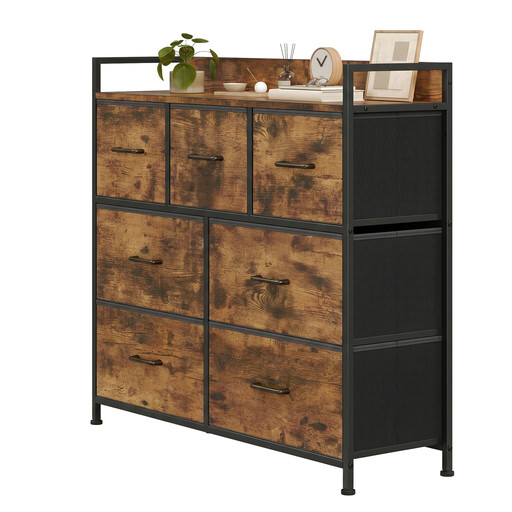
Why This Fits Their Persona: Ideal for anyone seeking a lightweight, flexible, and budget-friendly storage solution. Perfect for bedrooms or dressing rooms in rental apartments, where mobility and value for money are a priority.
The sturdy metal frame provides essential stability, bypassing the problem of wobbly particleboard constructions. The material choice (fabric drawers) is honest and functional, without faking a low-quality wood look.
Excellent storage volume for the price. The adjustable feet and included anti-tip kit ensure a secure stance.
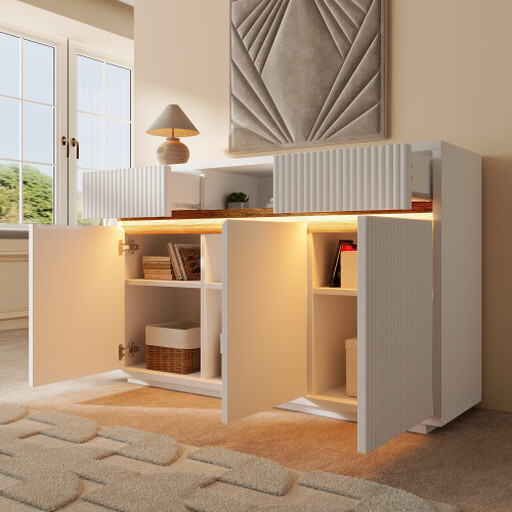
Why This Fits Their Persona: For those looking for a modern statement piece. The combination of a clean design, high-gloss finish, and integrated lighting makes it the ideal sideboard for a living room or hallway.
This model focuses on functional details: The adjustable shelves and solid metal hinges solve the problem of inflexible and poorly crafted storage. The material specifications (MDF + particleboard) are transparent.
The integrated LED strip can be controlled via remote or an app, creating an ambient atmosphere. The handle-free fronts underscore the modern, minimalist design.
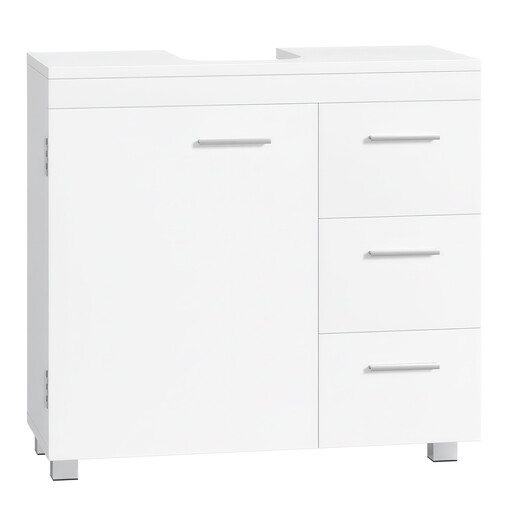
Why This Fits Their Persona: Solves a specific problem: creating storage in the bathroom without replacing the sink. Ideal for renters and homeowners looking for a practical, precision-fit solution for standard pedestal or wall-mounted sinks.
The use of MDF and particleboard with a moisture-resistant lacquer finish is better suited for bathroom use than unprotected materials. The design is purpose-built, not a compromise solution that would quickly fail in a humid environment.
The siphon cut-out allows for a universal fit. The combination of drawers and a compartment with an adjustable shelf offers a thoughtful layout for towels and toiletries.
We've compiled a complete, up-to-date list of products that fully meet these strict selection criteria and safety standards.
Most manufacturers include an anti-tip kit. This usually consists of a bracket or strap that is screwed to the top of the dresser and to the wall. This is a simple but crucial step to prevent the furniture from tipping over, especially if there are children in the household or heavy items are stored in the upper drawers.
Traditionally, a dresser is a taller piece of furniture consisting mainly of drawers, often found in the bedroom. A sideboard or credenza is typically lower and wider, combines doors and drawers, and is usually found in the living or dining room. Today, however, the terms are often used interchangeably, as many modern designs blend the features of both types.
For use in the bathroom, the material's resistance to moisture is critical. A bathroom cabinet made of MDF with a high-quality lacquer or a melamine resin coating is more suitable than a dresser made of raw particleboard with a simple foil finish. Also, ensure good ventilation in the room to extend the life of the furniture. Specialized under-sink cabinets are often the safest choice.