
Lieferung heute & morgen

Qualitätsgarantie

Willkommens-Angebote freischalten: KOSTENLOSE Lieferung | Bis zu 80 % RABATT | Kostenlose 30-Tage-JoyPlus-Testphase
App herunterladen
A dressing table chair should look good, feel comfortable and fit seamlessly into a bedroom, dressing room or bathroom. In practice, however, differences often only become apparent after purchase: the seat does not fit beneath the dressing table, the upholstery is difficult to clean or the construction feels unstable during everyday use.
When choosing a make-up chair, dressing table stool or vanity chair, you should therefore look beyond colour and shape. The key factors are dimensions, seat construction, materials, weight capacity and the intended area of use.
An attractive make-up chair can be impractical if its seat height does not match the tabletop. To maintain an upright posture, there should be enough legroom between the seat and the dressing table. You should therefore measure:
A low dressing table stool is often suitable for compact dressing tables. An armchair, on the other hand, requires more space and cannot always be pushed fully beneath the table.
Thick padding may initially feel comfortable. However, everyday practicality also depends on the type of foam used, the seat construction and the stability of the frame. With a padded stool, the product information should clearly state details about the padding and the maximum recommended load.
Soft velvet and teddy fabric also has practical characteristics that should be checked before purchase. Teddy and bouclé surfaces feel soft, but they can hold on to dust and hair more readily than smooth fabrics. For cleaning, care instructions and the option of spot treatment are important.
A swivel chair with a rocking function can be useful in a home office or reading corner. Directly at a dressing table, however, a fixed seating position is often more practical. Castors also require a suitable floor and sufficient room to move.
A storage stool can hold make-up, hair accessories or textiles. Check whether the lid can be removed, how much space the interior compartment offers and whether the stool can also be used as a surface for placing items.
A compact dressing table chair is not automatically suitable for every dressing table. Compare the stated dimensions with the space available. A model with a seat height of around 40 to 50 cm may suit many dressing tables, but it should always be assessed against the exact table height.
For small bedrooms, narrow stools with a shallow depth are practical. A bedroom armchair provides more lateral support, but its wider construction takes up considerably more floor space.
Look for details about the frame material, legs and maximum load. Wood-based materials such as E1 MDF, solid wood and metal differ in construction and care requirements. The E1 classification refers to a specified formaldehyde emissions class for wood-based materials; it is not a general quality rating for the entire piece of furniture.
The stated weight limit must not be exceeded. The chair should also stand on a level, stable surface. Non-slip foot pads can improve stability and protect the floor.
Polyester teddy fabric, chenille, linen, Sherpa fabric and velvet differ in feel and cleaning requirements. The following questions can help you make your choice:
For delicate textiles, spot cleaning with a soft, slightly damp cloth and a mild cleaning product is recommended. Harsh chemicals and excessive moisture can damage the upholstery.
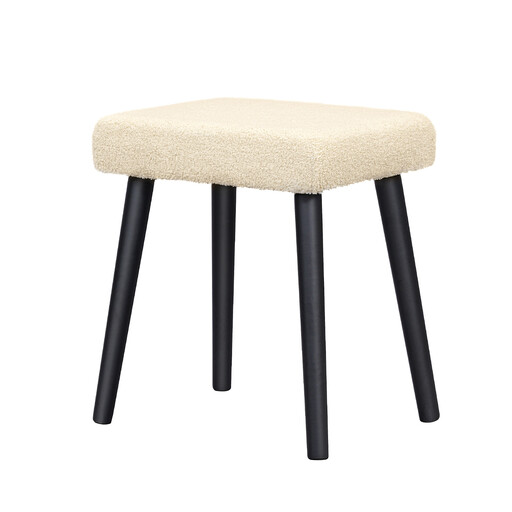
Why this product suits the profile: The compact stool is suitable for a dressing table, kitchen or hallway and takes up comparatively little floor space thanks to its slim design.
The product details specify dimensions of 42 × 48 × 32 cm, E1 MDF, pine wood and a maximum load of 150 kg. This makes it possible to check the space required and the weight limit before buying.
Teddy fabric, extra-thick foam padding, steel legs and versatile use throughout the home.
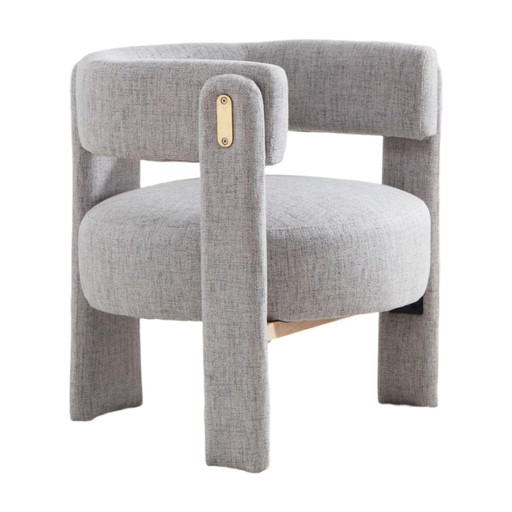
Why this product suits the profile: The semi-circular backrest with armrests is ideal for anyone who prefers a more enveloping seat at the dressing table or in the bedroom.
The description specifies linen upholstery, a solid wood frame, a supporting wooden beam beneath the padding and a maximum load of 120 kg. The dimensions of 67 × 71 × 70 cm clearly show that it requires more space.
Solid wood legs, 22 cm-thick foam padding and a fully padded backrest and armrest area.
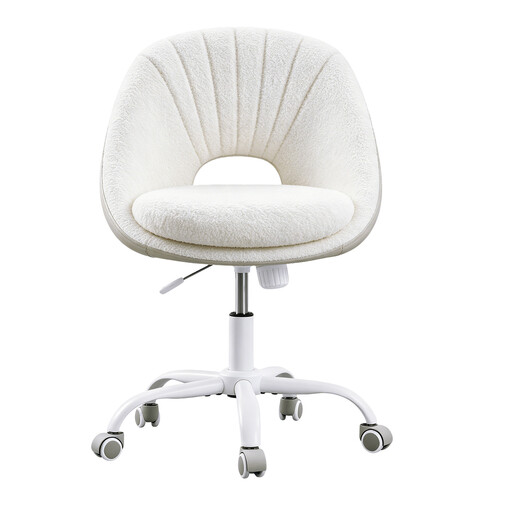
Why this product suits the profile: This model combines use as a dressing table chair with features suitable for the home office, bedroom and living room.
The seat height can be adjusted from 47.5 to 57.5 cm. The product also features 360-degree rotation, five castors, a rocking function and a weight capacity of 136 kg.
Sherpa fabric, removable machine-washable seat cover and height-adjustable backrest.
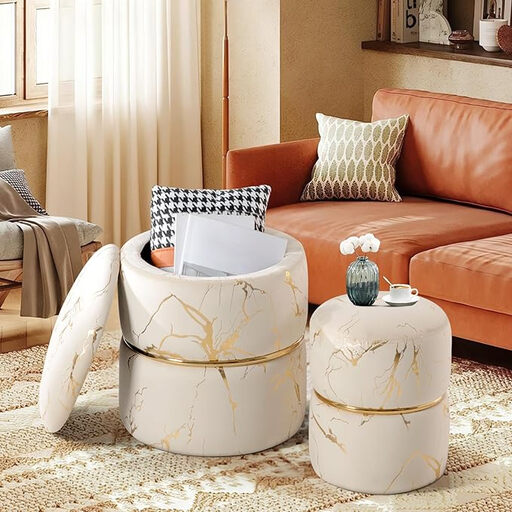
Why this product suits the profile: Two stackable stools are suitable for the dressing table, bedroom, living room or hallway and can be nested together to save space when not in use.
The product details explicitly mention storage space, a removable lid, non-slip feet and a weight limit of 135 kg. This makes the function and usage limitations easier to assess.
Two sizes, concealed storage, velvet upholstery, wooden frame and no assembly required.
Place the chair on a level surface and check all screw connections after assembly. For models with castors, consider using a suitable floor-protection mat, particularly on delicate parquet or laminate flooring.
Simple measures can help extend its service life:
A sturdy, comfortable fixed stool generally requires less maintenance than a swivel chair with a rocking function. A movable model, however, offers greater flexibility between the dressing table, desk and seating area.
We have put together a complete, regularly updated list of products that fully meet these strict selection criteria and the safety regulations applicable in the EU.
This depends on the height of the tabletop and the available legroom. Measure the distance from the seat surface to the underside of the table. A height-adjustable beauty chair can make it easier to find the right position, while a fixed stool is particularly suitable when you already have a dressing table at the correct height.
A stool takes up less space and is often easier to store. A chair with a backrest and armrests provides more support and may be more comfortable during longer periods of sitting. The right choice depends on how long you sit, the size of the room and your personal posture.
There is no fixed lifespan that applies in every case. It depends on the load, frequency of use, materials, assembly and care. Meaningful product details about the frame, padding, weight limit and spare parts or care instructions make it easier to choose the right model.