
Lieferung heute & morgen

Qualitätsgarantie

Willkommens-Angebote freischalten: KOSTENLOSE Lieferung | Bis zu 80 % RABATT | Kostenlose 30-Tage-JoyPlus-Testphase
App herunterladen
Finding authentic, high-quality dried chilis can be a challenge. It's often unclear which variety is best for a specific dish, how hot it truly is, or how to identify good quality. This guide is designed to help you make an informed decision. It provides objective criteria for selection and introduces various options suitable for different culinary projects—from preparing authentic chili oil to enhancing hot pot broths.
Choosing the right chili peppers depends heavily on their intended use. Three key criteria will help guide your selection.
The heat of chilis is measured in Scoville Heat Units (SHU). This unit indicates the concentration of capsaicin, the compound responsible for the heat. The scale ranges from 0 SHU (e.g., bell peppers) to several million SHU for extremely hot cultivars. For most cooking applications, the values fall within a manageable range:
Beyond heat, each chili variety has its own unique flavor profile. Some are smoky, others fruity or earthy. For chilis for Sichuan cuisine, for instance, varieties like Erjingtiao or Mantianxing (Facing Heaven) are popular because they deliver an intense aroma with moderate heat. If you want to make your own chili oil, an aromatic variety is often the better choice, as it lends the oil a complex depth of flavor in addition to heat. For a fiery chili for hot pot, on the other hand, varieties with a direct, potent heat are more suitable.
When buying whole dried chilis, you should look for a few quality indicators. The pods should have a vibrant, rich color and not appear pale or brownish. They should be whole and unbroken to best preserve their aroma. A flexible, slightly pliable flesh is a sign of good drying, whereas extremely brittle pods may indicate over-drying. Store the chilis in a cool, dry, and dark place in an airtight container to maximize their shelf life and aroma.
Based on the criteria above, we have curated a selection of dried chilis that are suitable for various needs and heat levels.
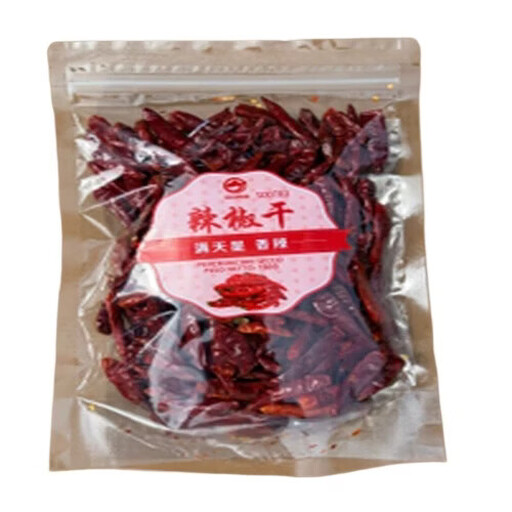
Why It Stands Out: These Mantianxing (Facing Heaven) chilis offer a balanced combination of intense aroma and a distinct heat of up to 60,000 SHU. They are a classic component of many Sichuan dishes.
Advantages:
Who It's For: Cooks looking for an authentic ingredient for Asian cuisine who value a complex flavor profile. Ideal for dishes like Kung Pao Chicken or Mapo Tofu.
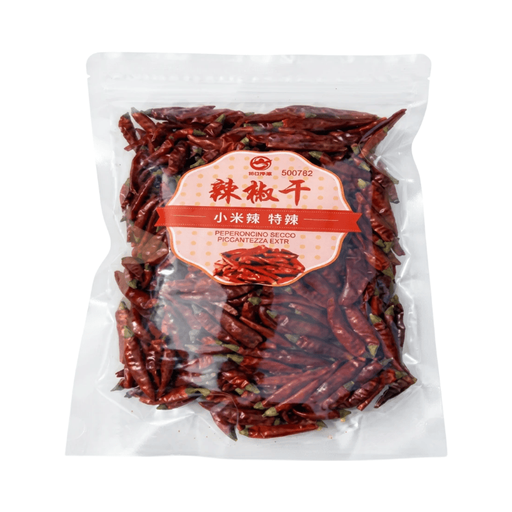
Why It Stands Out: With a heat level of 100,000 SHU, this Xiaomila chili delivers an intense, fiery kick. It sits at the upper end of the scale for Thai chilis and is significantly hotter than many standard varieties.
Advantages:
Who It's For: Enthusiasts of spicy food who need a reliable and intense heat for their dishes. A great choice for anyone specifically looking for hot chilis.
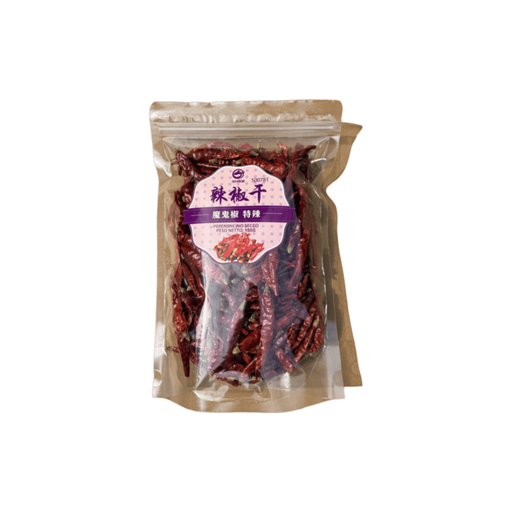
Why It Stands Out: These dried Ghost Peppers (Bhut Jolokia) reach a heat level of 120,000 SHU. They are among the most famous extremely hot chilis and are known for their intense and lingering heat.
Advantages:
Who It's For: Experienced users and "chiliheads" who are specifically seeking extreme heat for making hot sauces or for culinary challenges. Due to the high heat level, careful handling and dosage are required.
Haven't found the right variety for your project yet, or want to discover more Asian spices online? You can find a wider selection of heat levels and flavor profiles in our Dried Chili category. There, you can browse for products tailored to your specific cooking needs.
Whole dried chilis can be used in several ways. You can add them directly to stews, soups, or braises, where they will release their aroma and heat during cooking. For a more intense flavor release, the pods can be briefly toasted in a dry pan until fragrant. Afterward, they can be used whole, crushed, or ground into a powder in a spice mill. Some recipes require soaking the chilis in hot water to rehydrate them before processing them into a paste.
For making chili oil, a combination of aromatic and hot chilis is often ideal. Aromatic varieties like Mantianxing (see our recommendation above) form an excellent base, as they give the oil a complex, savory depth. To increase the heat, hotter varieties like Xiaomila can be added. Toasting the chilis before pouring hot oil over them will further intensify the aroma.
When stored correctly, dried chili peppers have a very long shelf life. Kept in a cool, dry, and dark place in an airtight container, they can maintain their quality for one to two years. Over time, they may lose some of their color intensity and heat but are still usable. It is advisable to protect them from moisture and direct sunlight to maximize their shelf life.