
Lieferung heute & morgen

Qualitätsgarantie

Willkommens-Angebote freischalten: KOSTENLOSE Lieferung | Bis zu 80 % RABATT | Kostenlose 30-Tage-JoyPlus-Testphase
App herunterladen
By Joybuy Product Recommendation Officer, August 29, 2026
For anyone who wants to cook with authentic, intense flavor, dried chilis are indispensable. Yet, buying them can quickly lead to disappointment: the chili oil tastes bland, the Sichuan dish lacks its expected depth, or the heat is barely noticeable. This often isn't a reflection of your cooking skills, but rather the result of choosing the wrong product. Many home cooks fall into the same recurring traps that spoil the cooking experience.
The most common problems when buying dried chilis are:
An informed purchase based on objective criteria is the first step toward a successful dish.
To avoid bad buys, it's helpful to know the three crucial parameters that determine the quality and suitability of dried chilis.
The form of the chili directly impacts its aroma, shelf life, and application.
Not all chilis are created equal. The variety and growing region define the flavor profile, which can range from fruity-sweet and smoky to earthy and herbaceous. For authentic Asian spices and dishes, choosing the right variety is critical.
Good quality can be assessed with your senses. Look for the following characteristics:
Based on these criteria, we have curated a selection of products suitable for different culinary profiles.
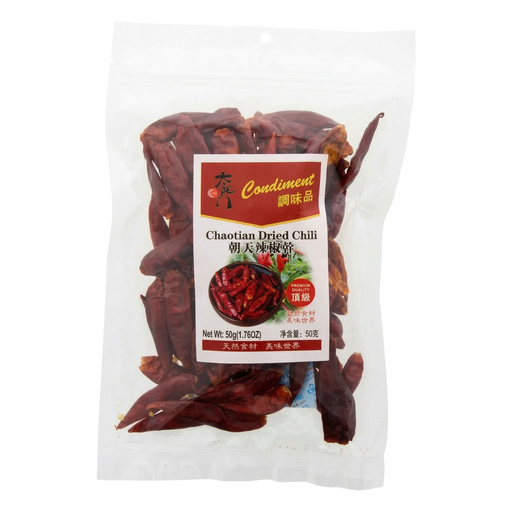
Why This Fits Their Persona: Anyone who wants to recreate the authentic taste of Sichuan dishes like Mapo Tofu or hot pot at home needs the right chili variety. These "Facing Heaven Chilis" are the foundation for the region's characteristic aroma.
This product bypasses the "one-size-fits-all" trap by offering a specific chili variety that is essential for Sichuan cuisine, thus ensuring an authentic flavor experience.
Delivers the intense heat and fragrant aroma typical of Sichuan dishes. The whole pods preserve freshness until use.
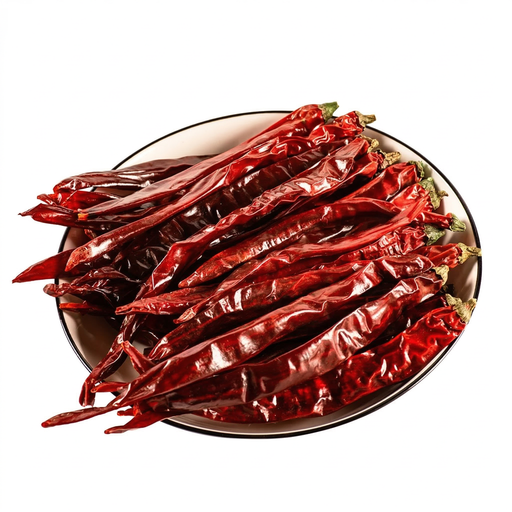
Why This Fits Their Persona: For those who process large quantities of chili regularly—be it for weekly chili oil production, for catering, or simply for a large family household—a bulk package is economical and practical.
This 1kg package solves the problem of poor value for money that comes from repeatedly buying small bags. It ensures a supply is always on hand.
Excellent value for money for heavy users. The whole pods offer maximum flexibility for various preparation methods (grinding, flaking, using whole).
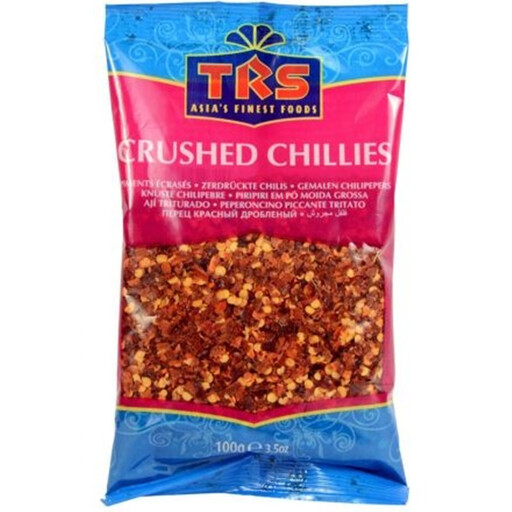
Why This Fits Their Persona: For quick everyday cooking where convenience is key. These chili flakes are ready to use, perfect for quickly and easily adding a pleasant heat to pizza, pasta, stews, or simple scrambled eggs.
This product solves the problem of poor quality. The flakes offer consistent heat and a better aroma than many generic supermarket powders, which often taste bland.
Ready-to-use chili flakes for easy portioning and versatile application. The 100g pack provides a good supply for daily use.
The world of dried chilis is diverse, offering the right product for every dish and desired heat level. If you want to explore more varieties and forms that meet our quality criteria, you can find a more comprehensive selection here.
We've compiled a complete, up-to-date list of products that meet these strict selection criteria and quality standards.
1. How do you store dried chilis properly to retain their aroma? Proper storage is crucial for preserving aroma. Always keep dried chilis in an airtight container in a cool, dry, and dark place. Light, heat, and moisture are the biggest enemies, as they accelerate the breakdown of essential oils and color pigments. A pantry or cupboard is ideal.
2. Which dried chilis are best for making homemade chili oil? For making aromatic homemade chili oil, the best choices are whole dried chilis or coarse flakes that have a complex flavor profile. Sichuan varieties like Erjingtiao or Chao Tian Jiao are a popular choice because they impart not only heat but also a fruity, fragrant note to the oil. By using whole pods, which you can coarsely crush before pouring hot oil over them, you control the intensity and release maximum flavor.
3. Can you use any dried chili for kimchi? Technically yes, but for an authentic result, it's not recommended. The traditional chili for kimchi is Gochugaru. This Korean chili powder has a unique texture and a flavor profile that is smoky, slightly sweet, and only moderately spicy. Using other chili varieties, such as cayenne, would significantly alter the color, taste, and heat of the kimchi, deviating from the traditional Korean original.