
Lieferung heute & morgen

Qualitätsgarantie

Willkommens-Angebote freischalten: KOSTENLOSE Lieferung | Bis zu 80 % RABATT | Kostenlose 30-Tage-JoyPlus-Testphase
App herunterladen
Dried dates and jujube vary considerably in terms of origin, ingredients, sweetness, texture and processing. When shopping in Germany, the size of the pack or an eye-catching description such as “Premium” is therefore not the only thing that matters. The information on the ingredients list and how you plan to use the product are far more important.
Dates and Chinese jujube naturally contain a lot of sugar. This is to be expected with dried fruit, but it is important to distinguish natural sugars from added sugar. Checking the ingredients list will clarify this:
One example is Changsi Ejiao Royal Jujube 227g. The product information lists red dates, sucrose, glucose syrup and donkey-hide gelatine. The product should therefore not be treated as a natural jujube containing 100% fruit, and it is also unsuitable for a vegan diet.
Descriptions such as “Four Star” or “Five Star” may refer to grading by the individual supplier. They are not automatically a generally recognised quality seal. You should also check:
Xinjiang dates and Hetian dates are often sold as red dates or Chinese jujube. Regional origin can be relevant to flavour and texture, but it does not replace checking the specific product information.
Pitted dates are convenient for muesli, baking recipes and snacks on the go. Whole jujube fruit, on the other hand, may still contain a stone. This is generally manageable when making tea, soup or stews, but if you have a family with young children or are preparing finely puréed desserts, remove the stones before eating.
Compare the ingredients list first. In products containing 100% dates or 100% jujube, the sugar comes from the fruit. The nutritional value can still be high: in the product information available here, sugar levels range from 51.4 to 66.5 g per 100 g, depending on the product.
This does not mean that a product is unsuitable in general. It does, however, help with portion planning. If you snack on dried fruit every day, choose your portion carefully and do not automatically treat dates like fresh fruit.
The terms “air-dried”, “sun-dried” or “fresh-locked” should always be considered together with the ingredients list and storage conditions.
Small packs are ideal for trying a product or enjoying it occasionally. Packs weighing 454 to 500 g are more practical if you regularly cook or bake, or use dates for tea and soup.
After opening, we recommend storing the product in an airtight container in a cool, dry place. According to the product information, some products should be refrigerated at 0 to 5 °C. Moisture, heat and direct sunlight can affect texture and shelf life. The storage instructions on the individual packaging remain decisive.
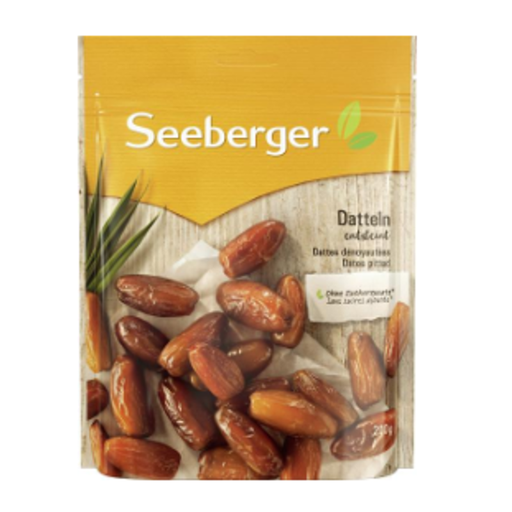
Why this product suits this profile: The 200 g pack is a manageable introduction to pitted dates for snacking, breakfast and baking.
The ingredients information lists pitted dates; the product description does not mention added sugar.
200 g, pitted, stated to contain no added sugar, and suitable for snacks and baked goods.
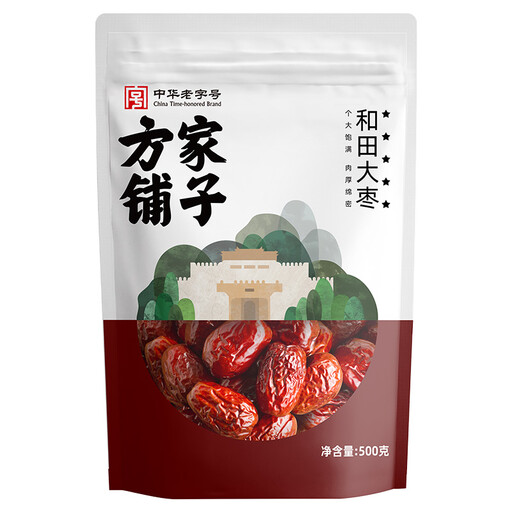
Why this product suits this profile: The 500 g pack of dried Hetian jujube is designed for regular use and a variety of recipes.
The ingredients information lists 100% dried Hetian jujube. The star classification should nevertheless be understood as the supplier’s grading, not as a universal quality seal.
Stated to be 100% jujube, with 500 g of product, and suitable for tea, soups, desserts and baked goods.
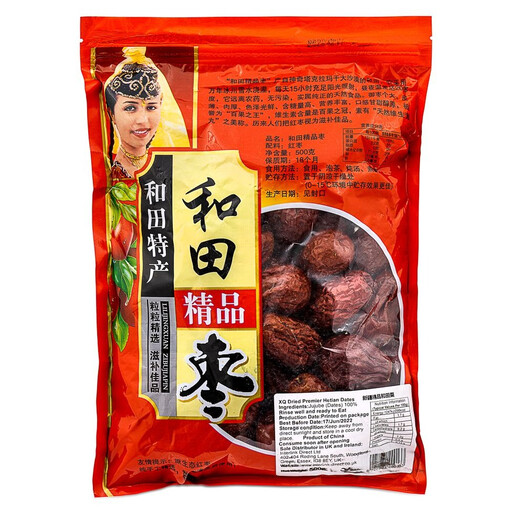
Why this product suits this profile: The large pack is ideal for households that regularly use jujube in porridge, soups, tea or baked goods.
According to the product information, the ingredients list contains dates only. This makes it easier to distinguish the product from those containing syrup or additional sweeteners.
500 g, stated product origin of Xinjiang, and suitable for snacking as well as tea, soups and desserts.
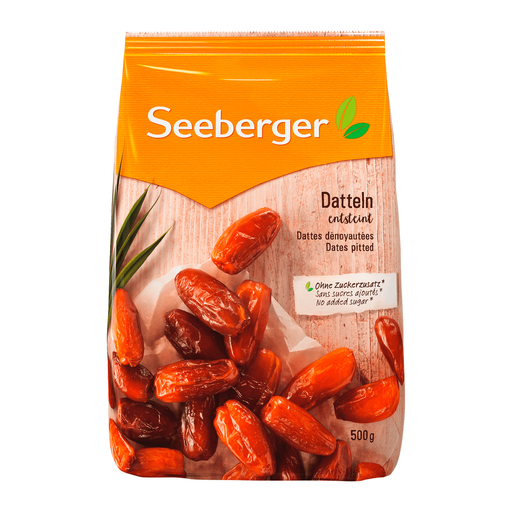
Why this product suits this profile: Pitted dates in a 500 g pack make it easier to prepare muesli, energy balls, muffins and desserts.
The product information states that it contains 100% pitted dates and no added sugar. The ingredients list remains the key point to check.
500 g, suitable for vegans according to the ingredients information, pitted, and suitable for snacks, breakfast and baking with dried fruit.
We have put together a complete, regularly updated list of products that fully meet these strict selection criteria and the safety regulations applicable in the EU.
No. Dates usually come from the date palm, while jujube are the fruit of the Chinese jujube tree. In German shops, jujube are sometimes called red dates because of their shape and sweetness. Their flavour, stones and texture may differ.
This depends on the product, packaging and storage conditions. Keep opened dried fruit tightly sealed, dry and protected from heat, and follow the manufacturer’s instructions. With soft fruit, it is particularly advisable to use it soon after opening.
No. No added sugar means that no additional sugar is listed among the ingredients. Dates still contain naturally occurring sugar. For comparison, check the “of which sugars” value per 100 g and consider your intended portion size.