
Lieferung heute & morgen

Qualitätsgarantie

Willkommens-Angebote freischalten: KOSTENLOSE Lieferung | Bis zu 80 % RABATT | Kostenlose 30-Tage-JoyPlus-Testphase
App herunterladen
For enthusiasts of Asian cuisine and tea culture, the search for authentic, high-quality ingredients can be a challenge. Finding dried edible flowers that deliver on both quality and aroma, in particular, often requires extensive comparison. Many home cooks and tea connoisseurs want products that are reliable not only in taste but also in their purity.
This article serves as a guide. It introduces a selection of dried flowers and explains objective criteria to help you with your purchasing decision. The goal is to provide you with an informed basis for finding the right products for your teas, dishes, or creative projects.
To ensure you get a product that meets your expectations, the following three criteria can be helpful in your selection.
A crucial quality indicator is the product's composition. Pay close attention to the ingredient list and favour products that consist of 100% of the declared flower, with no added sugar, flavourings, or preservatives. Transparent information about the origin can also be a sign of the manufacturer's diligence. Purity is especially important if you plan to buy the flowers for a pure floral tea or to enhance dishes.
Not every edible flower is suitable for every purpose. Before buying, consider how you plan to use them:
The aroma of dried flowers is volatile and sensitive to light, air, and moisture. A resealable, opaque package is therefore an indicator of a well-designed product. It ensures that the flowers remain fresh and aromatic long after opening. Check the storage instructions on the packaging to best preserve their quality.
Here is a detailed look at three selected products, each distinguished by its specific characteristics and applications.
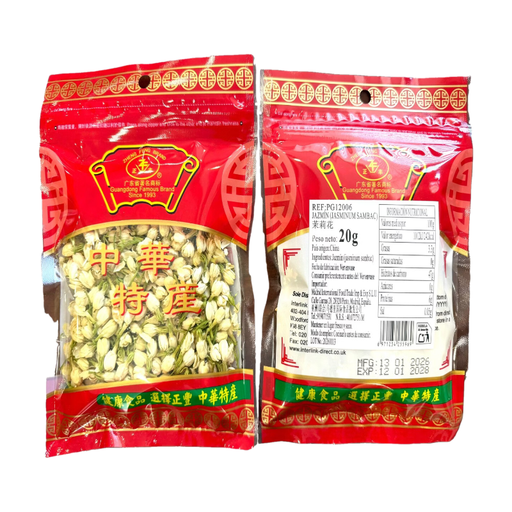
Why It Stands Out Zheng Feng's jasmine flowers are distinguished by their careful selection, which prioritises intact petals. This not only ensures an appealing appearance in the tea but also a long-lasting, elegant aroma. The small 20g package is practical for those who want to try jasmine flowers for the first time or use them only occasionally, valuing maximum freshness.
Advantages
Who It's For This product is a great choice for tea lovers who want to scent their own tea or enjoy a pure, fragrant jasmine infusion. It is also suitable for creative cooks looking to enhance desserts or syrups with a delicate floral note.
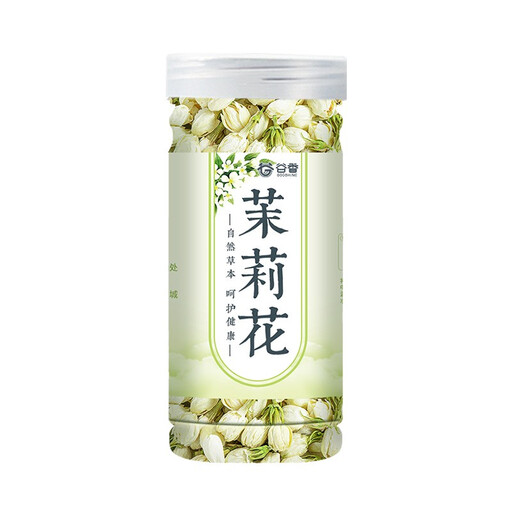
Why It Stands Out The dried jasmine flowers from GOOSHINE present a natural white colour and exude a fresh, clear floral aroma. The 30g package offers a slightly larger quantity, ideal for regular use. The sealed, dry packaging is designed to protect the natural aroma and properties of the flowers.
Advantages
Who It's For Ideal for individuals who regularly buy floral tea and appreciate a pure, unadulterated jasmine infusion. Due to their fresh scent, these flowers are also an excellent choice for making scented sachets or potpourris.
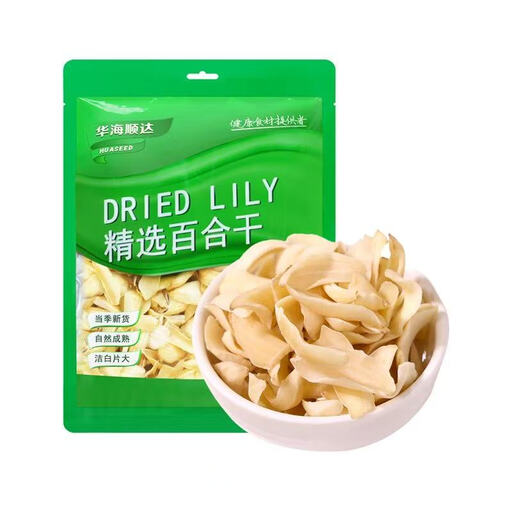
Why It Stands Out Unlike jasmine flowers, dried lily bulbs are an ingredient used primarily in cooking. The product from HUASEED consists of carefully dried lily bulbs that develop a slightly sweet note and a delicate texture after soaking and cooking. With a 100g content, the package is designed for stocking up and preparing multiple dishes.
Advantages
Who It's For This product is aimed at home cooks looking for authentic Asian cooking ingredients. It is the right choice for preparing traditional soups, congee (rice porridge), or sweet desserts where dried lily bulbs play a central role.
If the products featured here aren't exactly what you're looking for, or if you wish to expand your range of specialty items, you can find a broader selection in our assortment.
Discover more Asian cooking ingredients here.
1. How do you prepare tea from dried flowers? For a simple infusion, add about one teaspoon of dried flowers for tea to a cup and pour approximately 250 ml of boiling water over them. Let the tea steep for 3 to 5 minutes, depending on the desired intensity. Jasmine flowers can be used on their own or added to green or black tea to impart a floral aroma.
2. Are all dried flowers edible? No, it is crucial to ensure that only flowers specifically labelled as food-grade are consumed. Ornamental plants from a garden or flower shop are often treated with pesticides and are not suitable for consumption. Therefore, only purchase products explicitly declared as edible flowers.
3. How do you properly store dried edible flowers? To preserve their aroma and quality, dried flowers should be stored in a cool, dry, and dark place. An airtight container, such as one made of glass or metal, is ideal for protecting them from moisture, light, and loss of fragrance.