People who prioritise protein
If you’re keeping an eye on your protein intake after exercise, compare the amount per 100 g and for the portion you plan to eat. A snack’s fruity sweetness tells you nothing about its protein content.


If protein is your priority in a post-workout snack, don’t choose plain dried fruit simply because of its type. According to the product information, one ALDI SÜD variety of figs contains 3 g of protein and 55 g of sugar per 100 g. Instead, dried fruit can make up the fruit component of a snack, while you choose a separate product for protein and check that its nutritional information suits your needs. For a product to be labelled ‘high protein’, EU Regulation (EC) No 1924/2006 requires at least 20% of its total energy value to come from protein.
If you’re keeping an eye on your protein intake after exercise, compare the amount per 100 g and for the portion you plan to eat. A snack’s fruity sweetness tells you nothing about its protein content.
If a convenient fruit snack for work or your gym bag matters more to you than protein, dried fruit could suit your needs. Check the sugar content against the portion you intend to eat.
If you want to avoid sulphur dioxide or need to check for allergens in mixes, read the current ingredients list and any highlighted allergen information. The North Rhine-Westphalia Consumer Advice Centre notes that sulphur dioxide may be used in dried fruit.
First decide whether you want a snack that mainly provides protein or a fruit snack. Then compare the portion size, sugar and ingredients of the specific products.
A good choice if: You’re looking for a portable fruit snack and protein isn’t your main priority.
The trade-off: Removing water concentrates the sugar, and dried fruit isn’t a high-protein choice just because it’s fruit.
A good choice if: You want to combine fruit and seeds and assess the protein content of both products yourself.
The trade-off: The nutritional value of the whole portion depends on the products and quantities you combine.
A good choice if: You want to choose a product specifically for its stated protein content.
The trade-off: This type of snack doesn’t have to be a fruit product; portion size and ingredients still matter alongside protein.
| Criterion | What to check | Who it matters to |
|---|---|---|
| Protein | Compare protein per 100 g and for your planned portion; if a product is labelled ‘high protein’, check the requirements for using that claim. | After exercise, I want to choose a product specifically for its protein content rather than assume dried fruit will provide it. This is the main priority for around 50% of consumers. |
| Fruit snack | Check the sugar per 100 g and the portion size; also consider the pack size for freeze-dried fruit. | For a snack on the go, I’m mainly looking for something handy and fruity, and I choose how much to eat. This is the main priority for around 30% of consumers. |
| Ingredients | Read the ingredients list and check for sulphur dioxide and highlighted allergens. | Before choosing dried fruit or a mix, I need to know what it contains. Around 20% of consumers prioritise this check. |
Dried fruit can be sweet and convenient without containing much protein. For example, the nutritional information given by ALDI SÜD for one variety of figs lists 3 g of protein and 55 g of sugar per 100 g.
Check the protein information for the specific product. Under EU Regulation (EC) No 1924/2006, a product can only be labelled ‘high protein’ if at least 20% of its total energy value comes from protein.
Drying removes water. The North Rhine-Westphalia Consumer Advice Centre says that dried fruit typically contains between 50 and 70% sugar; eating a larger amount will increase the sugar content of your snack accordingly.
Decide how much you want to eat before you start, and use that portion when checking the nutritional information.
These terms describe processing methods or ingredients, not protein content. Choosing one of these varieties therefore answers a different question from whether it contains protein.
Choose the processing method that suits your preferences for the fruit product, and check protein separately in the nutritional information.
Sulphur dioxide may be used in dried fruit, while fruit and seed mixes may also contain other ingredients that are relevant to allergies. The product’s own labelling is what matters.
Check the ingredients list and highlighted allergens on the current pack every time you buy, particularly if you need to avoid specific ingredients.
The ranges below feature different types of fruit and potential snack components. A brand name alone doesn’t tell you the protein content of an individual product.
Seeberger offers, among other things, classic and freeze-dried fruit, as well as nuts and seeds.
These REWE own-label ranges include products such as sultanas, freeze-dried strawberries and pumpkin seeds.
Alesto is a Lidl own-label brand covering nuts, dried fruit and other snacks.
The ALDI SÜD product information for a 200 g pack of dried figs offers a specific example for comparing nutritional values.
These Joybuy products offer different ways to put together a snack: red dates as a fruit option, a bar as an alternative, and pumpkin seeds as a possible separate component. Check the latest nutritional information and your planned portion to see whether a product suits your protein goals.
 Image unavailable
These pitted red dates could make a handy fruit snack on the go. If protein is your main priority, compare the nutritional information per 100 g and for your portion before choosing.
 Image unavailable
If you’d prefer a bar to dried fruit, this is a different kind of snack. Before adding it to your routine, check the pack for protein, sugar, ingredients and allergens.
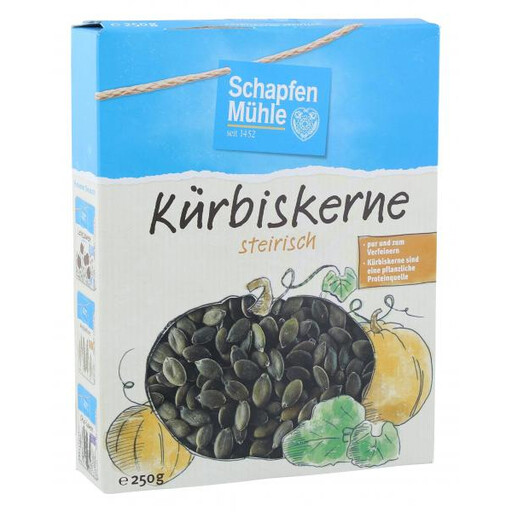 Image unavailable
If you want to choose seeds separately to go with dried fruit, these pumpkin seeds could be one option. Use the relevant packs to check the nutritional information and ingredients for your planned portion overall.
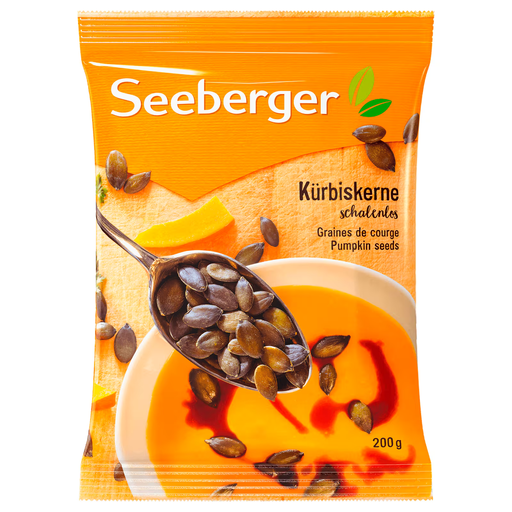 Image unavailable
These shelled pumpkin seeds could be added separately to a fruit snack. Check the protein and fat for your portion, and read the ingredients and allergen information.
Only if the specific product meets the requirements for the claim. Under EU Regulation (EC) No 1924/2006, at least 20% of a product’s total energy value must come from protein for it to be described as ‘high protein’. Simply being a type of dried fruit isn’t enough.
Don’t choose dried fruit as your main product without checking its protein content. It can make up the fruit component of a snack; if protein is your priority, check the nutritional information for a separately chosen component and the portion you actually plan to eat.
Check the ingredients list and allergen information on the pack. The North Rhine-Westphalia Consumer Advice Centre notes that sulphur dioxide may be used in dried fruit. For a mix, you should also check for other ingredients and highlighted allergens.
No. For the specific products, also compare sugar, fat and, where relevant, salt, as well as the quantities you plan to eat. Read the ingredients list and allergen information too, rather than assuming that the presence of seeds tells you the nutritional value of the whole mix.