People keeping an eye on fat content
You’d like to take something fruity with you after training, but don’t want to treat oil-roasted crisps or nut mixes as plain dried fruit just because they contain fruit.


If you’re looking for a fruit snack after training and want to keep an eye on fat content, start with dried or freeze-dried fruit, then compare the specific ingredients and nutrition information per 100 g. Fruit crisps and nut-and-fruit mixes need a closer look at their recipes. And ‘no added sugar’ doesn’t mean low in sugar. If you’re planning a meal that also needs to provide protein, dried fruit alone may not be enough.
You’d like to take something fruity with you after training, but don’t want to treat oil-roasted crisps or nut mixes as plain dried fruit just because they contain fruit.
You’re planning to include dried fruit in your post-exercise snacks. The German Nutrition Society (DGE) notes that carbohydrate requirements in sport depend on body weight and the amount of activity.
You check the sugar content, look out for sulphites if relevant, and consider how much you actually want to eat. A brief note about the ingredients isn’t a substitute for checking the nutrition information.
First decide whether you want a small fruit snack or something to include in a larger meal. Then compare fat, carbohydrates and sugar per 100 g. The ingredients and the portion you have in mind will help you work out whether a particular pack suits your needs.
| What matters | What to check | Who it matters to |
|---|---|---|
| Fat content | Compare fat per 100 g and check the ingredients for oil, coconut and nuts in crisps or mixes. | If I want a fruity snack, I don’t want a crunchy recipe to change my main priority without me realising. Around 40% of consumers would put fat content at the top of their list when buying. |
| Carbohydrates after exercise | Check carbohydrates and energy per 100 g; if you’re planning a protein-focused meal, consider the other components too. | After a longer endurance session, I’m mainly looking for a convenient source of carbohydrates to take with me, not necessarily a complete meal. This would be the main priority for around 30% of consumers. |
| Sugar, ingredients and portion size | Check ‘of which sugars’ alongside the ingredients list; if you’re sensitive to them, look for sulphur dioxide or sulphites on the label. | I want to distinguish added sugar from naturally occurring sugar and keep track of how much I eat. Around 30% of consumers would make ingredients and portion size their main consideration. |
The German consumer advice centre explains that the fruit sugar and glucose in dried fruit are included in the sugar value shown in the nutrition table. So when assessing a particular snack, the information on its pack matters more than the label ‘dried fruit’ alone.
Dried fruit naturally contains sugar. Even with no added sugar, the ‘of which sugars’ value per 100 g may be relevant when planning your portion.
Check the sugar and energy content per 100 g, then factor in how much you plan to eat.
Processing methods and other ingredients can vary. For example, Seeberger describes its banana crisps as roasted in coconut oil. That doesn’t tell you anything about the recipe used for other fruit crisps.
Check the ingredients list and fat content for each variety instead of assuming you know what’s inside from its crunchy texture or the name of the fruit.
The role of carbohydrates and protein after exercise depends on the activity and the rest of your diet. The DGE treats both nutrients as separate considerations in sports nutrition.
Before you buy, think about whether you’re planning a snack or a meal that should also include a source of protein.
Sulphur dioxide and sulphites may be relevant if you have an allergy or intolerance. That doesn’t mean every pack of dried fruit contains them.
If you’re sensitive to them, check the ingredients and allergen information on the pack each time, even if you already know the variety.
These ranges can help you find dried fruit, but a brand or retailer name doesn’t determine the fat content or ingredients of any particular pack.
Seeberger sells classic dried fruit, soft fruit, freeze-dried fruit, crisps and mixes.
EDEKA24 lists dried fruit including apricots, currants and dates.
Lidl’s Alesto brand covers nuts, dried fruit and other snacks.
ALDI SÜD lists products under these own-label brands including prunes, dates and apricots.
REWE sells dried apricots from various brands, as well as ja! soft apricots.
This selection includes dried fruit snacks for people who want to compare the ingredients, pack size and nutrition information of a particular product after training. These products are not complete recovery meals.
 No image available
An option if you’re planning to have pitted dried fruit as a snack after training. The pack contains 280 g; check the carbohydrate and sugar information in particular when working out your portion.
 No image available
Dried apple rings for a fruit snack after training, in an 80 g pack. If sulphites are a concern for you, check the ingredients and allergen information before buying. Also compare the sugar value per 100 g.
 No image available
A dried fruit option for people who prefer mango slices with a soft texture. The pack contains 100 g; check the ingredients, allergen information and sugar value before deciding on your portion.
 No image available
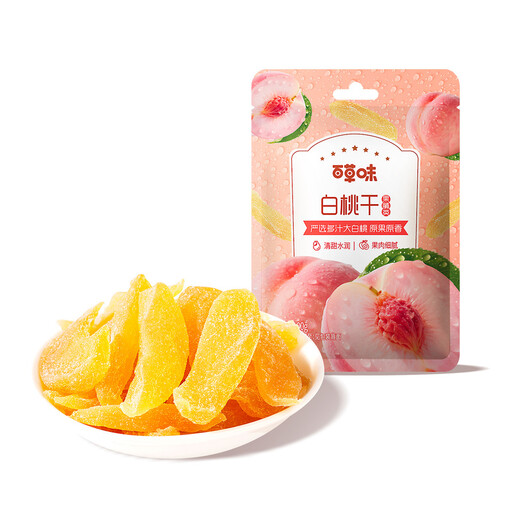
Dried white peach for a fruit snack after training, in a 100 g pack. If you want to take account of added sugar or fat content, check both against the ingredients list and nutrition information rather than relying on a marketing claim.
No. A ‘reduced’ claim refers to a comparison, while the fat value per 100 g tells you the actual fat content. Check what the product is being compared with and read the nutrition information on the specific pack.
Not necessarily. As the German consumer advice centre explains, the fruit sugar and glucose in dried fruit count towards the stated sugar value. Compare ‘of which sugars’ per 100 g and check the ingredients list too.
Dried fruit can provide fruit and carbohydrates, but it isn’t automatically a complete meal. The DGE explains that carbohydrate requirements in sport depend on body weight and activity. If you also want to include a source of protein, consider the other parts of your meal separately.
If you have an allergy or intolerance, check the ingredients and allergen information on the specific pack. Not all dried fruit contains sulphites, but you shouldn’t assume you know what’s in a product based on the type of fruit or a pack you’ve bought before.
Start by comparing the nutrition information per 100 g on the same basis. Then factor in the portion you actually plan to eat. Pack size alone tells you nothing about the nutrition information per 100 g.