For a snack on the way home
You want to take dried fruit with you without any preparation, and need a pack that fits easily in your bag or locker after training. REWE describes dried fruit as a snack for when you’re out and about.


For a snack on your way home, choose a pack size that suits your plans, then check the ingredients and nutritional information per 100 g. If you’re considering a fruit and nut mix, nut allergens and fat content are also important factors. After heavy sweating, remember to have a drink too: the German Nutrition Society emphasises the importance of replenishing fluids after exercise.
You want to take dried fruit with you without any preparation, and need a pack that fits easily in your bag or locker after training. REWE describes dried fruit as a snack for when you’re out and about.
You’re keeping an eye on added sugar, sulphur dioxide or allergens. What matters is the ingredients and allergen information on the pack you choose, not just claims on the front.
You want a snack that includes nuts as well as fruit. In the student mix described by EDEKA, the nutritional information includes protein and fat, as well as the nuts that may cause allergies.
A good fit if: You want to take a soft fruit snack with you and, if necessary, divide a larger pack between several occasions.
Bear in mind: Fruit mixes may contain additional ingredients. REWE lists sugar and sulphur dioxide, among other ingredients, in its Seeberger Fruit Mix.
A good fit if: You’d prefer a light, crunchy fruit snack instead of soft dried fruit.
Bear in mind: The consumer advice centre points out that removing the water concentrates the sugar and energy per 100 g.
A good fit if: You want to combine fruit and nuts in a snack.
Bear in mind: Nuts affect the nutritional values and introduce potential allergens, so a mix isn’t the same as plain dried fruit.
| What to consider | What to check when buying | Who it matters to |
|---|---|---|
| Pack size and portability | Check the pack weight and, for larger bags, whether they can be resealed. | If I’m heading straight home after training, I want to plan my snack without weighing it out and store the pack easily. For around 31 % of consumers, convenient pack size would be the most important factor. |
| Carbohydrates and portion size | Compare the carbohydrate and sugar content per 100 g with the amount you plan to eat. | After a longer session, I want to understand how many carbohydrates my snack provides, rather than treating the whole pack as one portion. Around 31 % of consumers would put this comparison first. |
| Ingredients and allergens | Read the ingredients list and check any highlighted allergens, especially in fruit mixes and products containing nuts. | If I need or want to avoid certain ingredients, I need information about the specific mix rather than a general marketing claim. Around 23 % of consumers would prioritise this check. |
| Texture and ingredients | Choose between soft and crunchy fruit. For fruit and nut mixes, also check the protein and fat content per 100 g. | I want to decide whether I’d prefer plain fruit, a crunchy snack or a mix with nuts. Around 15 % of consumers would choose the type of snack first. |
Dried fruit still contains naturally occurring sugar, even when no sugar has been added. According to the consumer advice centre, removing the water concentrates the sugar and energy per 100 g.
Check the ‘of which sugars’ figure per 100 g and consider how much you plan to eat.
The product examples described by REWE and EDEKA show that mixes may contain additional ingredients or sulphites.
Read the full ingredients list and allergen information on the specific pack.
The student mix described by EDEKA contains 17,2 g of protein and 30,2 g of fat per 100 g, as well as peanuts, almonds and cashews.
Compare protein and fat together, and check the ingredients and allergen information if you have a nut allergy.
Dried fruit is no substitute for a drink. The German Nutrition Society highlights the importance of replenishing fluids and electrolytes after exercise.
Remember to have a suitable drink too, especially after a long or sweaty session.
REWE lists a 200-g pack of Seeberger Fruit Mix as an example of a classic fruit mix.
The REWE range includes different types of fruit and preparations under these own-label brands, including mango strips, sultanas and apple crisps.
EDEKA describes both a fruit mix and a student mix containing fruit and nuts under these own-label brands.
ALDI SÜD describes dried pineapple from this own-label brand in a resealable 100-g bag.
This selection includes dried fruit in different pack sizes and a fruit and nut mix. Compare the pack size with your planned snack, and check the ingredients in any mixes.
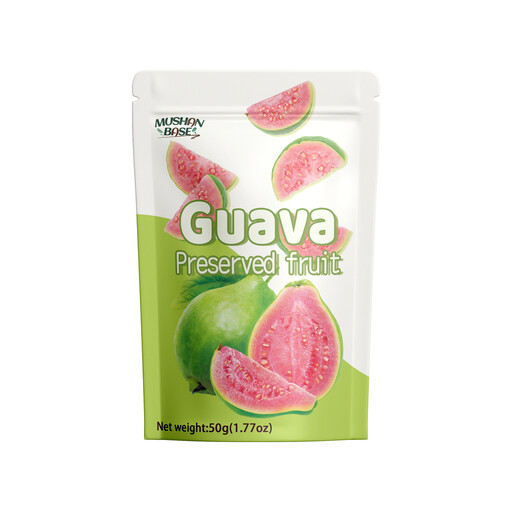 No image available
This 50-g pack could be a good choice if you want to take a small pack of dried guava with you. Before buying, check the ingredients and allergen information, and make sure the pack size suits your planned snack.
 No image available
These soft mango slices are an option if you’d prefer dried fruit to a crunchy snack after training. The pack contains 100 g. Check the ingredients and allergen information, and choose your own portion size.
 No image available
These apple rings offer a fruit option in an 80-g pack. Think about how much you want to have as a snack, and check the ingredients and allergen information on the pack.
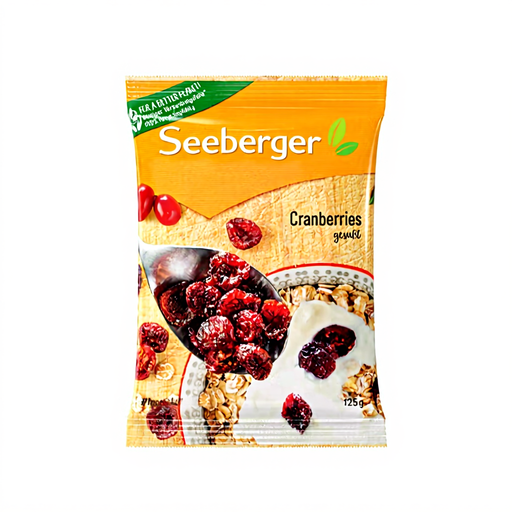 No image available
This 125-g pack could suit you if you’re specifically looking for sweetened cranberries. Compare the ingredients and sugar content per 100 g with other fruit options, and plan your snack portion.
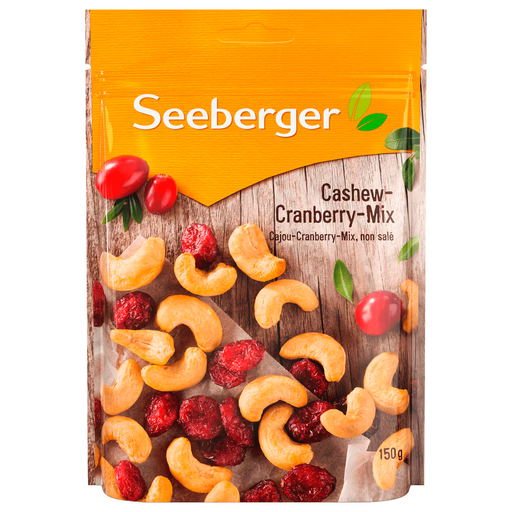 No image available
This fruit and nut mix is an alternative if you’d prefer cranberries and cashews together rather than plain dried fruit. The pack contains 150 g. Check the allergen information and fat content, and choose a snack portion that suits you.
Dried fruit can be part of a post-training snack, but it’s no substitute for a drink. Replacing fluids is particularly important after heavy sweating, as the German Nutrition Society explains. What else is right for you depends on the intensity of your session and the rest of your diet.
No. ‘No added sugar’ doesn’t mean ‘sugar-free’. According to the consumer advice centre, removing the water concentrates the naturally occurring sugar per 100 g. So check the ‘of which sugars’ figure and consider how much you plan to eat.
The pack size, ingredients list, highlighted allergens and nutritional values per 100 g can help you match the pack to your planned snack portion. If you’re buying a larger bag, a resealable closure can also be useful when you want to enjoy it over several occasions.
No. Nuts change the nutritional composition and allergen profile. The student mix described by EDEKA contains peanuts, almonds and cashews. Alongside the amount of fruit, compare the fat and protein content per 100 g.
Check the ingredients list and allergen information on the specific pack. EDEKA lists sulphur dioxide and sulphites in its fruit mix, while REWE includes sodium metabisulphite and sulphur dioxide in the ingredients list for the Seeberger Fruit Mix.