What should you look for when buying?
First, check the ingredients and allergens that matter to you. Then compare the nutritional information, pack size and suitability for your post-workout snack.
| What to check | What to look for | Who should take note? |
|---|
| Allergens and possible traces |
Read the ingredients and check any allergens highlighted on the pack; also look for any precautionary allergen warning. |
If I need to avoid a particular allergen, I don’t want to assume a product is suitable just from the name of the fruit. This check is the top priority for around 33% of consumers. |
| Ingredients and sulphites |
Check the ingredients list; if you avoid sulphites, don’t take “unsulphured” as a statement about other allergens. |
I particularly value being able to check the ingredients and want to understand claims such as “unsulphured” correctly. This is a top priority for around 27% of consumers. |
| Nutritional information and portion size |
Compare carbohydrates and sugars per 100 g with your planned portion; assess the other components of your snack separately. |
After training, I want to understand the role my portion of dried fruit plays in my snack, rather than treat it as a complete solution. This is the main concern for around 27% of consumers. |
| Pack size and shopping |
Choose a pack size to suit your planned portion, and check the current labelling when you buy it again. |
I’m looking for a pack that suits my usual snack and don’t want to rely on an old label when I buy it again. This practical consideration takes priority for around 13% of consumers. |
Dried fruit and fruit snacks at Joybuy
These products are options for a fruit snack after training. They vary in fruit type and pack size, among other things. To check whether a product meets specific allergen requirements, you’ll need to refer to its current labelling.
 No image available
Haoxiangni Grade 2 Fresh-Locked Pitted Red Dates Original Flavour, 280 g
If you prefer pitted fruit as a snack, this 280-g pack is one option. Check the nutritional information for your portion, and refer to the current pack labelling for any allergen requirements.
View at Joybuy
 No image available
Seeberger pitted Deglet Nour dates, 500 g
These pitted dates are worth considering if you’re looking for a larger pack for several snack portions. Compare the nutritional information with your planned portion, and check the allergen and precautionary allergen information on the current pack.
View at Joybuy
 No image available
Changsi dried red dates, 500 g
The 500-g pack is handy for comparing with other fruit varieties and pack sizes. Check the specific pack to see whether the ingredients and any possible traces meet your requirements.
View at Joybuy
 No image available
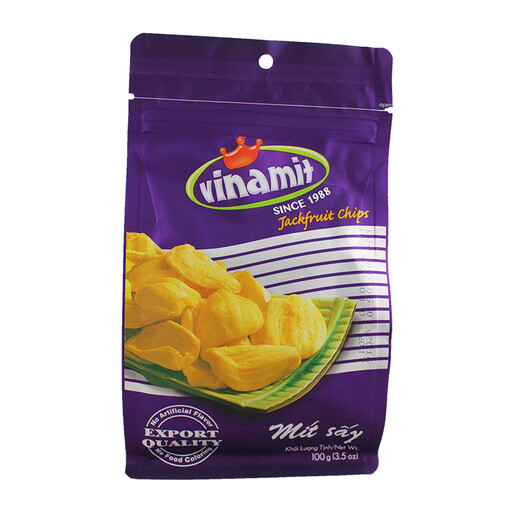
Vinamit jackfruit snack pieces, 100 g
The 100-g pack is a smaller snack option. If you’re specifically looking for a fruit with no other ingredients, check the ingredients list. The current labelling is also important when checking for allergens.
View at Joybuy
 No image available
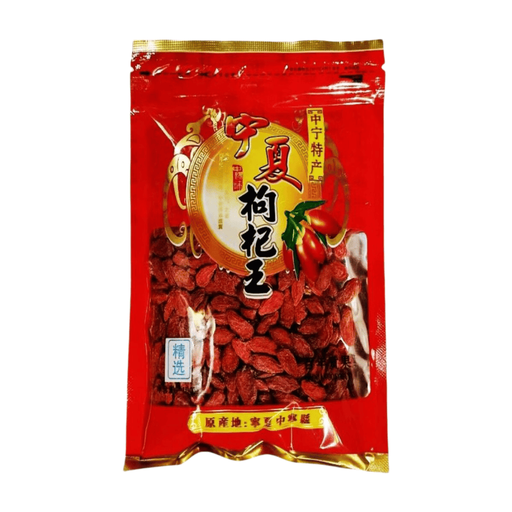
Ningxia goji berries, 100 g
This 100-g pack is an option if you’re considering goji berries as a fruit snack. If you avoid sulphites or other allergens, check the relevant information on the current pack; a statement about how the product is processed is no substitute for this check.
View at Joybuy
Frequently asked questions
Are dried fruits free from allergens if only one fruit is named on the front?
No, the name of the fruit alone isn’t enough to determine this. Check the ingredients, any allergens highlighted on the pack and any precautionary allergen warning on the specific pack.
Does “unsulphured” mean that other allergens are also ruled out?
No. “Unsulphured” refers to sulphur dioxide or sulphites, not all allergens or possible cross-contact. So make sure you read the rest of the information on the pack too.
Are dried fruits labelled “no added sugar” also low in sugar?
No, the two claims don’t mean the same thing. Dried fruit can contain sugar even when no sugar has been added, so compare the nutritional information per 100 g and for your planned portion.
Is dried fruit on its own enough for a post-workout snack?
There’s no single answer, as it depends on your exercise and nutritional goals. The German Nutrition Society treats carbohydrates and protein as separate topics in sports nutrition. Use the nutritional information to work out how dried fruit fits into your planned snack, rather than assuming it’s a complete recovery meal.


