What should you look for when buying?
When choosing dried fruit for a post-workout snack, start by checking the portion you’ll actually eat. Then decide based on whether your priority is getting carbohydrates after exercise or putting together a balanced meal.
| Criterion |
What to check |
Who it matters to |
| Energy and portion size |
Compare the calories and sugar per 100 g, then work out the values for the amount you plan to eat. |
If I want to include just a small fruit portion in my calorie target, the number of grams I actually eat matters. Around 40% of consumers prioritise portion control. |
| Carbohydrates after exercise |
Check the carbohydrates per portion and consider the duration and intensity of your workout. |
After a longer or more intense session, I want to use dried fruit as a targeted source of carbohydrates. This is a priority for around 40% of consumers. |
| Protein in your meal |
Plan a separate protein source and check the ingredients and allergens when combining foods. |
If protein matters in my meal, the fruit portion should complement it rather than replace the whole meal. This is the main concern for around 20% of consumers. |
Dried fruit at Joybuy
These two dried fruits could work as a portion-controlled fruit component after a workout. If you’re watching your calorie intake or comparing the varieties, check the nutritional information on each pack and consider the portion you actually plan to eat.
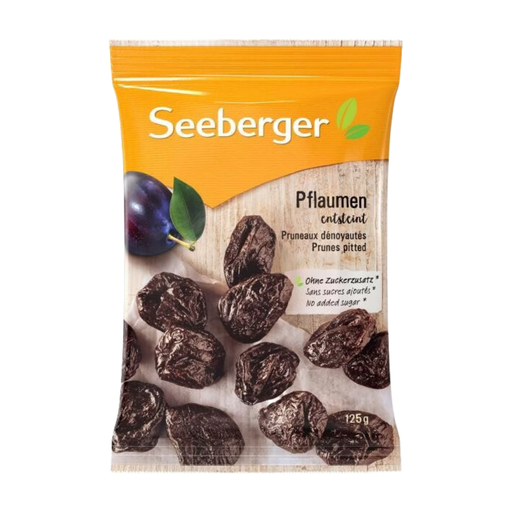 Image unavailable
Seeberger Soft pitted prunes, 125 g
For a planned fruit portion after a workout, weigh out the amount you want and use the nutritional information to work out the values for that portion.
Pack size: 125 g. Even with pitted prunes, watch out for any possible fragments of stones when eating.
View at Joybuy
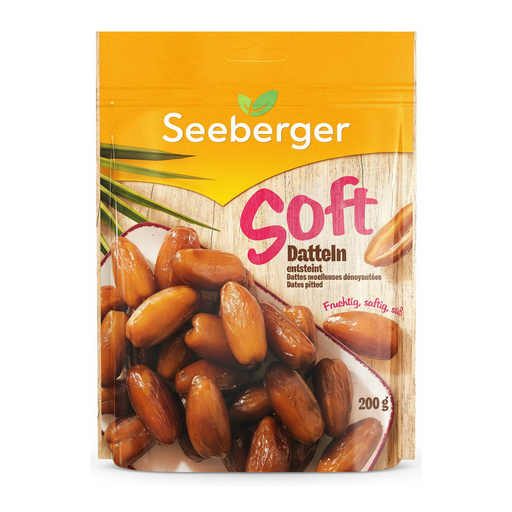 Image unavailable
Seeberger Soft pitted Deglet Nour dates, 200 g
If you’re planning to have dates as your fruit component, decide on your portion before eating and check the nutritional information per 100 g on the pack.
Pack size: 200 g; variety: Deglet Nour. The pack size is not the same as a single snack portion.
View at Joybuy
Frequently asked questions
Do I need dried fruit after every workout?
No. A portion of dried fruit isn’t automatically necessary after a short or light session. The German Nutrition Society discusses rapid carbohydrate replenishment particularly in connection with prolonged, intense exercise, so take your workout and the rest of your meals into account.
Does “no added sugar” also mean “sugar-free” or “low in calories”?
No, the fruit’s natural sugars are still there. To stay within your calorie target, compare the calories and sugar per 100 g, then work out the amounts for your portion: according to REWE, Seeberger apricots listed by REWE as having no added sugar contain 279 kcal and 50 g of sugar per 100 g.
What should I add to dried fruit if protein matters in my meal?
Include a separate protein source that suits your diet, and treat dried fruit as the fruit component. The German Nutrition Society describes protein as an important building block for, among other things, muscle tissue. You can’t work out which foods and amounts are right for your meal from the dried fruit portion alone.
What should I look for in sulphured dried fruit and fruit-and-nut mixes?
Check the ingredients list and allergen information on the current pack for sulphites and nuts. The European Commission explains allergen labelling for prepacked foods in the EU; you’ll need to check the specific product to see whether it contains a particular ingredient.


