People who prioritise protein in their training
You’re looking specifically for protein after a workout and don’t want to mistake dried fruit for a protein source.


If protein is your main post-workout goal, don’t choose dried fruit as a high-protein snack just because it’s dried. It can be a portable fruit option, but check a separate protein source for its protein contribution. If you add seeds or nuts, bear portion size and energy content in mind too.
You’re looking specifically for protein after a workout and don’t want to mistake dried fruit for a protein source.
You want to take a fruit snack with you and decide whether the fruit or protein content matters more to you.
You compare added sugar with naturally occurring sugars and want to check product labels for possible sulphites.
First decide whether you want your snack to provide protein or simply offer a fruit option to take with you. If you’re combining dried fruit and seeds, check the nutritional values for the portion you’ll actually eat.
| What matters to you | What to check when buying | Who it matters to |
|---|---|---|
| Protein content | Compare protein per 100 g and per planned portion; for mixes, check the proportions of fruit and seeds. | After a workout, I want my snack to provide protein rather than overestimate the contribution from fruit; protein would be the priority for around 42% of consumers. |
| Fruit snack to take with you | Check the pack size, as well as the sugar and energy content per portion. | I want to take a fruit snack with me on the way home from a workout, even if protein isn’t my main consideration; around 33% of consumers would prioritise fruit for an on-the-go snack. |
| Ingredients and dietary suitability | Read the ingredients list and nutritional information; check for sulphur dioxide or sulphites if relevant. | Before choosing dried fruit regularly, I want to identify sources of sugar and possible sulphites; this would be the main consideration for around 25% of consumers. |
According to REWE, its Beste Wahl Fruit Mix contains 1.1 g of protein per 25 g portion. So a fruity snack doesn’t necessarily provide much protein too.
Check the protein content of the portion you plan to eat before counting dried fruit towards your protein goal.
Even without added sugar, the fruit still contains naturally occurring sugars. Verbraucherzentrale points out that removing the water concentrates the sugar and energy content per 100 g.
Alongside the ingredients list, check the ‘of which sugars’ nutritional information and keep portion size in mind.
Seeds can change the protein content of a snack combination, but they also add fat and energy. REWE states that its organic pumpkin seeds contain 10.5 g of protein, 13.8 g of fat and 175 kcal per 30 g.
Decide how much seed and dried fruit you want to include, then compare the nutritional values for those amounts.
Some dried fruit can contain sulphur dioxide or sulphites. If these substances matter to your choice, checking the front of the pack isn’t enough.
Check the ingredients list and allergen information; for loose products, ask for these details.
Seeberger offers classic and freeze-dried fruit, including dates, apricots and mango.
At REWE, you can consider dried fruit and seeds as separate ingredients in a snack.
EDEKA is worth considering if you want to compare ingredients and product labelling for dried fruit.
Lidl’s Alesto range includes nuts and dried fruit, which you can compare as separate snack ingredients.
ALDI Nord’s TRADER JOE'S range includes dried fruit, nut and fruit mixes, and a protein nut mix.
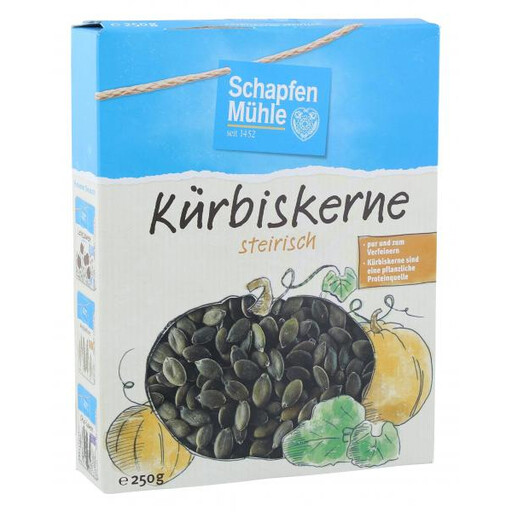
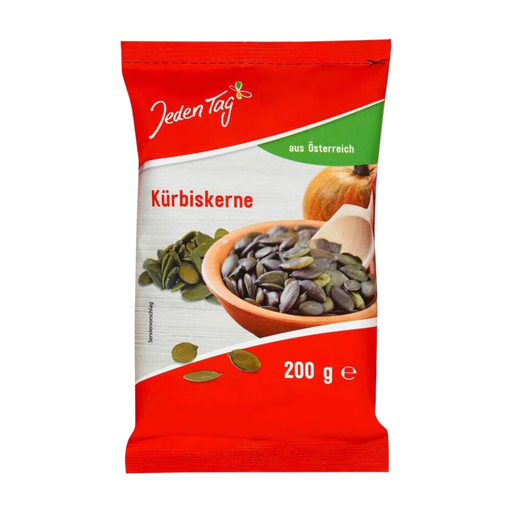
These pumpkin seeds are an option if you want to combine dried fruit with seeds for a post-workout snack. They don’t contain dried fruit themselves; the protein content of your combination depends on the products and quantities you choose.
 No image available
A seed option for a snack with separately chosen dried fruit. The pack contains 250 g of pumpkin seeds; plan the amount of each ingredient and compare the nutritional values for your portion.
 No image available
Another seed option if you want to add dried fruit separately. The pack contains 200 g of shelled pumpkin seeds; when planning your portion, check the nutritional values for both the seeds and the fruit you choose.
Don’t assume so without checking the specific product. According to REWE, its Beste Wahl Fruit Mix provides 1.1 g of protein per 25 g portion. If protein is your main goal, compare the amount in your planned portion with that of a protein source you choose separately.
Choose dried fruit for the fruit component and check the nutritional values of your seed portion separately. REWE states that its organic pumpkin seeds provide 10.5 g of protein and 175 kcal per 30 g; for a different portion size or seed mix, check the relevant pack information.
No. The fruit may still contain naturally occurring sugars, which are more concentrated per 100 g after the water has been removed. So check the ingredients list and the ‘of which sugars’ information for the specific product.
For packaged dried fruit, check the ingredients list and allergen information for sulphur dioxide or sulphites. If you’re buying loose fruit, you can ask for these details.