Travellers short on time
If you only want a snack before boarding or between connections, choose a small, ready-to-eat pack rather than having to portion some out of a larger bag while travelling.


For a quick snack at the airport, a small pack is handy because the portion is already decided, with no need to transfer anything. A larger resealable bag is better for sharing or for several stages of a journey; just portion out what you need and check the ingredients. Consistency also matters for hand luggage: dried fruit pieces are treated differently from purée, paste or gel-like snacks.
If you only want a snack before boarding or between connections, choose a small, ready-to-eat pack rather than having to portion some out of a larger bag while travelling.
Pack weight and the information about ingredients, sugar and sulphur dioxide or sulphites are all worth checking. A single type of fruit does not automatically mean there are no other ingredients.
It’s important to distinguish between dried fruit pieces and purées, pastes or gel-like fruit products. The German Federal Police classifies viscous, gel-like and creamy substances as liquids, among other things.
First decide whether you need a set portion for one snack or a bag to share. Then check the ingredients and consistency of the specific product.
| Criterion | What to check | Who it matters to |
|---|---|---|
| Portion and pack | Check the pack weight. If you’re considering a larger bag, think about whether you can portion out what you need before travelling. The German Nutrition Society suggests 25 g as a guide for a portion of dried fruit, not as a rule for flying. | If I only want a snack at the gate, I want to be able to set the portion without transferring it to another container. Around 44% of consumers would prioritise portion size when making this choice. |
| Ingredients and labelling | Read the ingredients list, allergen information and nutritional information on the specific pack; pay particular attention to sulphur dioxide and sulphites in mixes. | If you want to avoid certain ingredients or check the sugar content, you need the information for the product you’ve chosen, not just a claim on the front of the pack. Around 33% of consumers would put this information first. |
| Hand luggage and destination | Check whether the product consists of dried pieces or is a paste-like or gel-like product. For international travel, also check the destination country’s import rules. | If I’m travelling with hand luggage only, I want a snack whose consistency is easy to classify at security. This would be the main concern for around 23% of consumers. |
A 100- or 250-g pack isn’t a single portion just because it comes in one bag. The German Nutrition Society suggests 25 g of dried fruit as a guide for one portion.
If you only want something to eat at the gate, choose a small pack or portion out what you need from a larger bag before travelling.
A ‘no added sugar’ claim doesn’t tell you how much sugar the fruit naturally contains. Lidl makes this clear for its Alesto mango strips, stating that they naturally contain sugar.
Check the sugar information per 100 g and relate it to the amount you actually plan to eat.
Other ingredients and allergens that must be declared may be relevant in fruit mixes. EDEKA lists sulphur dioxide and sulphites for its Herzstücke mixed fruit.
Check the ingredients and allergen information on the current pack rather than assuming a mix has the same ingredients as another variety.
Consistency can make a difference at security: the German Federal Police classifies viscous, gel-like and creamy substances as liquids.
When buying, distinguish dried pieces from purée or paste. If you’re unsure, check the rules at your departure airport.
Seeberger offers a range of individual dried fruit types and pack sizes.
EDEKA describes its mixed fruit as a combination of five types of fruit in a resealable 250-g bag.
Under this own-brand label, REWE sells freeze-dried strawberries in a 25-g pack.
ALDI SÜD describes its ‘Der Klassiker’ fruit snack as a 25-g pack.
Lidl’s Alesto range includes dried mango strips as a fruit snack.
Each of these packs contains a single type of fruit, making it easy to compare fruit types and pack weights. The 100-g and 280-g packs listed here shouldn’t be considered single portions based on their size alone; choose ingredients and an amount to suit your travel plans.
 No image available
For travellers who want to take mango strips in a bag and portion out the amount they need.
Pack weight: 100 g. Check the ingredients on the specific pack and make sure the soft strips are easy to classify for your hand-luggage plans.
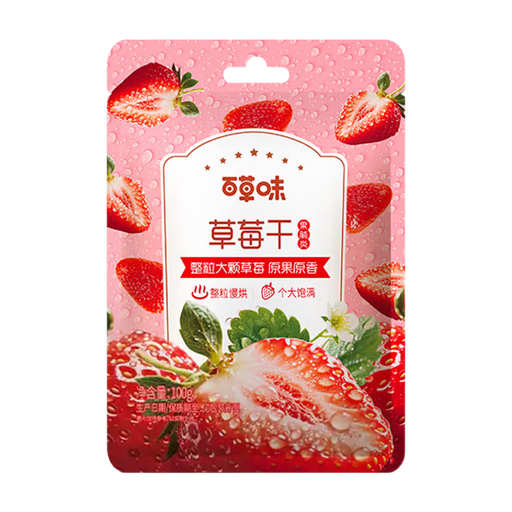 No image available
An option if you’d like to take dried strawberries and portion out what you need from a larger pack.
Pack weight: 100 g. Read the ingredients and allergen information on the specific pack before buying.
 No image available
For travellers planning to enjoy pitted jujubes as snacks on several occasions and able to portion them out in advance.
Pack weight: 280 g. Consider how you’ll store the contents after opening; this pack size isn’t a single snack portion.
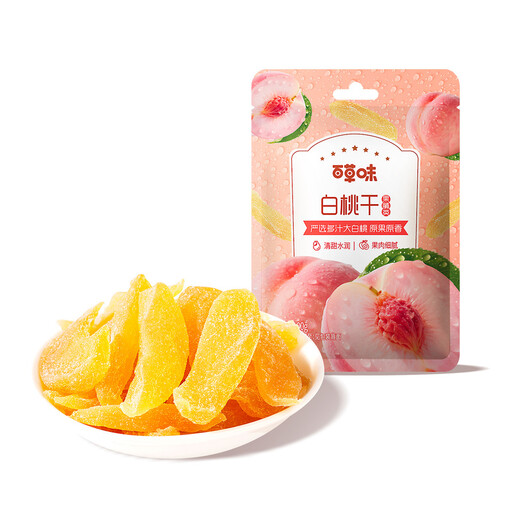 No image available
An option if you’re looking for dried white peaches to take with you and want to choose your own portion size.
Pack weight: 100 g. Check the ingredients and allergen information, as well as the packaging, if you plan to use the contents over several stages of your journey.
At security, dry, solid fruit pieces are treated differently from liquids or gels. The German Federal Police classifies viscous, gel-like and creamy substances as liquids, among other things. If a product falls between these consistencies, the decision is made at security at your departure airport.
No. The claim doesn’t rule out naturally occurring sugar. Lidl makes this clear for its Alesto mango strips; check the nutritional information per 100 g on the pack and compare it with the amount you plan to eat.
Check the ingredients list and allergen information on the specific pack. EDEKA lists sulphur dioxide and sulphites in its Herzstücke mixed fruit; the labelling on another mix may differ.
Passing security at your departure airport doesn’t mean you can necessarily bring the product into your destination. The European Union sets out conditions for carrying plants and plant products on journeys within the EU, including that they must come from within the EU and be free from pests or diseases; local restrictions may also apply. Check the import rules for your specific destination.