If you’re looking for a snack that provides a meaningful amount of protein, plain dried fruit is usually not the best choice. The figs and mixed fruit featured here contain just 3 g and 2.7 g of protein per 100 g respectively, according to ALDI SÜD and EDEKA. Dried fruit can add a little sweetness; for more protein, you could try pumpkin seeds or a separate protein source. With either option, portion size, ingredients and allergens all matter.
Who needs to know the difference?
Those who prioritise protein when exercising
If you’re looking for a snack that provides a clear amount of protein around exercise and recovery, check the protein information rather than assuming dried fruit is high in protein simply because of what it is.
Sweet snackers keeping an eye on portions
If you’re planning to enjoy dried fruit as a sweet addition, compare the nutritional values per 100 g with the amount you’ll actually eat. The German Federal Centre for Nutrition points out that drying concentrates the fruit’s sugar and energy.
Shoppers with specific ingredient requirements
If you need to avoid sulphites or other allergens, check the ingredients list, allergen information and precautionary statements on the specific pack. A range or brand name is no substitute for checking the label.
What should you look for when choosing?
Plain dried fruit
A good fit if: fruit flavour is the main attraction and you’ll get your protein from another ingredient.
The trade-off: drying concentrates sugar and energy, while the products featured here provide little protein.
Dried fruit with a protein source
A good fit if: you want a small amount of fruit for flavour, with a separate ingredient providing the protein.
The trade-off: the nutritional values of the overall combination depend on both ingredients and the quantities used.
Pumpkin seeds
A good fit if: you want the snack itself to provide protein and seeds meet your ingredient and allergen requirements.
The trade-off: REWE lists 35 g of protein but also 584 kcal per 100 g for its organic pumpkin seeds, so portion size still matters.
| Criteria |
What to check when buying |
Who it matters most to |
| Protein content |
Compare the protein per 100 g and per planned portion. For an EU ‘high protein’ claim, at least 20% of the energy value must come from protein, according to the European Union. |
If I want my snack to provide protein around a workout, I want to be able to check how much is in it on the pack. For around 46% of consumers, protein content is a key reason to buy. |
| Sugar, energy and portion size |
Check the energy value and ‘of which sugars’ per 100 g, then consider these in relation to your portion. According to the consumer advice centre, ‘no added sugar’ does not mean sugar-free. |
If I want a little something sweet, I want to know how much I’m actually eating rather than relying on the pack size. Around 36% of consumers focus primarily on sugar, energy and portion size. |
| Ingredients and allergens |
Check the ingredients list, highlighted allergens and precautionary statements on the specific pack. For dried fruit, also look out for sulphur dioxide and sulphites. |
If I need to avoid certain ingredients, the label on the pack I buy will determine my choice. For around 18% of consumers, this check takes priority. |
Common buying mistakes
-
Assuming dried fruit is automatically a high-protein snack
Being natural doesn’t tell you how much protein something contains. EDEKA lists 2.7 g of protein per 100 g for its Herzstücke mixed fruit, while ALDI SÜD lists 3 g per 100 g for the figs featured here.
If protein is your top priority, compare the values per 100 g and per portion with those of a separate protein source or seeds.
-
Confusing ‘no added sugar’ with ‘sugar-free’
Even without added sugar, fruit still contains its naturally occurring sugars. These are concentrated per 100 g in dried fruit.
Check the ‘of which sugars’ value and consider how much you plan to eat.
-
Choosing pumpkin seeds without considering portion size
The protein comes with a high energy value: REWE lists 584 kcal per 100 g for its organic pumpkin seeds.
Decide how much you want before you start eating, for example if you’re using the seeds as a topping.
-
Overlooking allergen and ingredient information
EDEKA lists sulphur dioxide and sulphites in its mixed fruit; REWE’s organic pumpkin seeds may contain traces of other allergens.
Before eating, check the ingredients, highlighted allergens and precautionary statements on your pack.
Brands and ranges to consider
Seeberger
Seeberger offers a range of dried fruit, including dates, mangoes and plums.
- The range includes different types of fruit and preparations.
- It also includes sweetened and candied products. The brand name alone doesn’t tell you whether sugar has been added or whether a product is high in protein.
REWE Bio / REWE
REWE groups dried fruit and seeds in the same product category. Its organic pumpkin seeds are one example of a seed alternative.
- REWE lists 35 g of protein per 100 g for these pumpkin seeds.
- At 584 kcal per 100 g, the amount you plan to eat matters too. If you have allergies, check the information on the pack.
EDEKA Herzstücke / EDEKA
EDEKA publishes nutritional, ingredient and allergen information for some of its dried fruit products.
- For its Herzstücke mixed fruit, you can compare the specific figures of 2.7 g of protein and 46 g of sugar per 100 g.
- This mixed fruit isn’t an obvious choice if protein content is your main priority. Always check the information on the pack you buy.
NATURLIEBLINGE – KLEINE SCHÄTZ / ALDI SÜD
ALDI SÜD provides nutritional information for some dried fruit products under its own brand.
- The figs featured here contain 3 g of protein and 55 g of sugar per 100 g.
- Based on their nutritional values, these figs aren’t a substitute for a protein-focused snack ingredient. Information may vary depending on the supplier.
Solevita / Lidl
Lidl describes Solevita as a brand of fruit drinks.
- This helps you distinguish drinks brands from ranges of dried fruit and seeds.
- Solevita is therefore not a suitable product range for the choice between dried fruit and seeds discussed here.
Seeds and seed mixes at Joybuy
These products include pumpkin seeds and a mix of seeds and kernels. They’re alternatives to plain dried fruit if you’re looking for a source of protein. To compare them, check the nutritional information on the specific pack and consider your planned portion.
 No image available
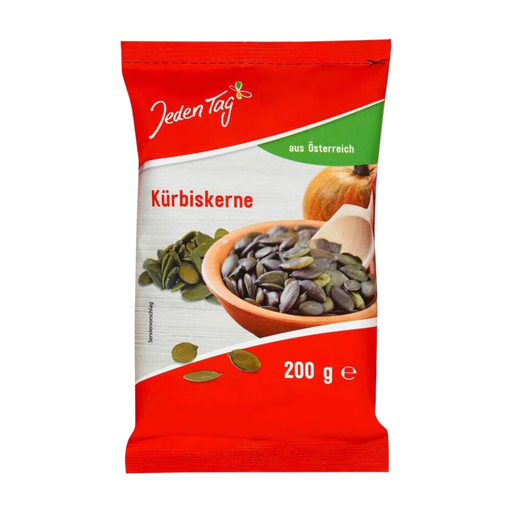
Jeden Tag shelled pumpkin seeds, 200 g
An option to consider if you’re looking for a snack that provides protein rather than plain dried fruit. Check the protein and energy values on the pack for the amount you plan to eat.
View at Joybuy
 No image available
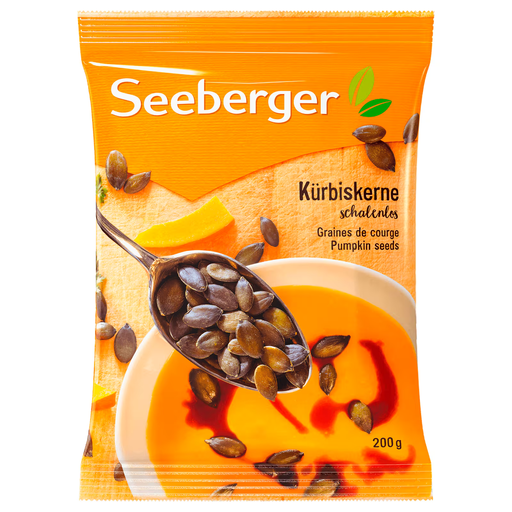
Seeberger shelled Styrian pumpkin seeds, 200 g
An alternative to dried fruit if you’re considering seeds. Check the protein and energy values on the pack in relation to your planned portion.
View at Joybuy
 No image available
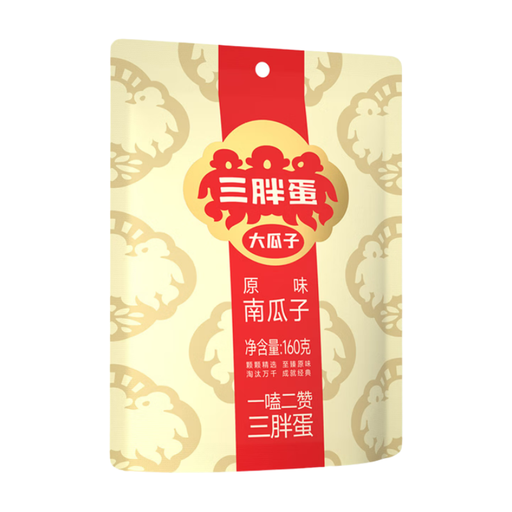
Sanpangdan original pumpkin seeds, 160 g (8 × 20 g)
The individually wrapped 20 g packs can help you manage your snack portion. Check the nutritional information, ingredients and allergens on the specific pack.
View at Joybuy
 No image available
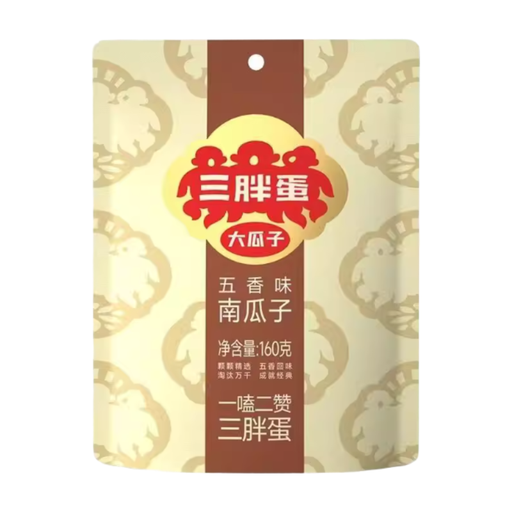
Sanpangdan Five Spice pumpkin seeds, 160 g (8 × 20 g)
A seasoned option in individually wrapped 20 g packs. If you choose this flavour, pay particular attention to the ingredients and allergen information on the pack.
View at Joybuy
 No image available
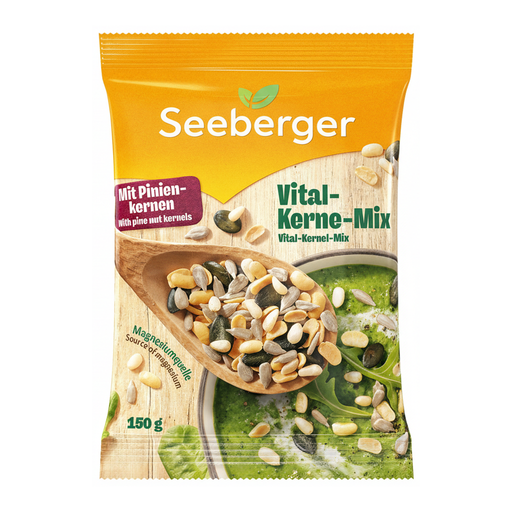
Seeberger Vital salad seed and kernel mix, 150 g
A mix rather than plain pumpkin seeds if you’re after a variety of seeds and kernels. Don’t compare its nutritional values with those of a single-seed product without also checking the ingredients, allergens and portion size.
View at Joybuy
Frequently asked questions
Does having a few grams of protein make dried fruit ‘high protein’?
No. The number of grams alone isn’t enough to make that claim. For an EU ‘high protein’ claim, at least 20% of the total energy value must come from protein, according to the European Union. The ALDI SÜD figs and EDEKA mixed fruit featured here aren’t examples of products that meet this criterion.
Does ‘no added sugar’ mean dried fruit is sugar-free?
No. As the consumer advice centre explains, fruit can still contain natural sugars. If the amount matters to you, check the ‘of which sugars’ value in the nutritional information and relate it to your portion.
What allergen information should I look out for in dried fruit and seeds?
Check the ingredients list, highlighted allergens and any possible traces listed on the specific pack. EDEKA lists sulphur dioxide and sulphites in its Herzstücke mixed fruit; REWE mentions possible traces of other allergens in its organic pumpkin seeds.
How should I store dried plums?
EDEKA recommends storing dried plums in a cool, dry place at around 7–10 °C. After opening, also follow the storage instructions on your pack.


