For a single BackWerk lunch, a smaller pack or a large pack portioned at home is usually more practical than taking a whole 500-g bag with you. If you eat dried fruit regularly, a larger pack could be a good choice. Whatever the pack size, check the ingredients, sugar per 100 g and, where relevant, the labelling for sulphur dioxide and sulphites.
Which pack size suits you?
Households that eat dried fruit regularly
If several people in your household eat dried fruit, or you’re planning to take it along for several lunches, you can divide a larger pack into portions at home. Seeberger offers 500-g packs of products including dates, prunes and sultanas.
If you only want a little extra with your lunch
If you only occasionally want to take dried fruit with you for a BackWerk lunch, a smaller pack or a portion packed at home is a natural choice. That way, you don’t have to take the whole multi-use pack with you.
If you like to check ingredients carefully
If certain ingredients are important to your choice, check the specific pack. Mixes may contain additional ingredients and declared allergens. The sugar content is listed in the nutritional information per 100 g.
What to look for when buying
First decide whether you need the pack for one lunch or several occasions. Then compare the ingredients and nutritional information of the varieties you’re considering.
| What matters to you |
What to check when buying |
Who it matters to |
| Making the most of a larger pack |
Pack weight and how much you plan to use; if you buy 500 g, plan to divide it into portions at home. |
If I’m buying dried fruit for several lunches or people, I want to make sure I’ll use the larger quantity. Around 38% of consumers put this need for a larger pack first. |
| Taking a portion with you |
A smaller pack or resealable packaging; alternatively, portion some out in advance. |
For lunch on the go, I don’t want to carry a whole multi-use bag with me. For around 37% of consumers, convenient portioning is the top priority. |
| Checking the ingredients |
Ingredients list, sugar per 100 g and, where relevant, sulphur dioxide and sulphite labelling. |
If I want to avoid certain ingredients or compare sugar content, the labelling on the specific pack determines my choice. For around 25% of consumers, this check comes first. |
Common selection mistakes
-
Choosing the biggest bag without considering how much you’ll use
A 500-g pack contains more than the smaller formats offered by retailers including REWE and ALDI SÜD. That doesn’t automatically make it the more practical choice for a single lunch.
Before you buy, think about how many occasions you’ll use the dried fruit for and whether you want to portion it at home.
-
Assuming ‘no added sugar’ means low in sugar
Dried fruit can contain sugar even without added sugar. EDEKA Herzstücke mixed dried fruit, for example, is labelled as containing 46 g of sugar per 100 g.
Check the sugar content in the nutritional information and the ingredients list on the specific pack, rather than relying solely on a claim on the front.
-
Looking only at the fruit in a fruit mix
As well as fruit, the ingredients list for EDEKA Herzstücke mixed dried fruit includes sunflower oil, potassium sorbate and sulphur dioxide. You can’t tell what’s in a mix from its name alone.
Before buying, check the ingredients and allergen labelling on the pack, especially if you need to avoid certain substances.
-
Assuming the online range matches what’s in store
EDEKA notes that its mixed dried fruit may not be available in every store. At ALDI SÜD, the 200-g apricots may also come from different suppliers.
Check what your local store has to offer and read the information on the pack there.
Brands and own-label ranges to consider
Seeberger
Seeberger offers several types of dried fruit in 500-g packs, including dates, prunes and sultanas.
- The range of pack sizes lets you choose between a smaller quantity and a larger pack for your preferred variety.
- Check each product to see which variety and ingredients are right for you.
REWE Bio / REWE Beste Wahl
The REWE range includes REWE Bio sultanas in a 200-g pack, sweetened banana chips in a 300-g pack and REWE Beste Wahl mango strips in a 100-g pack.
- These pack sizes offer different quantities for occasional use or several lunches.
- Check availability in your area and the ingredients of your chosen variety.
EDEKA Herzstücke
EDEKA Herzstücke mixed dried fruit combines five types of fruit in a resealable 250-g bag.
- The resealable packaging is useful if you want to use the bag on several occasions.
- The ingredients list includes sunflower oil, potassium sorbate and sulphur dioxide; the nutritional information lists 46 g of sugar per 100 g. Always check the information on the pack you buy.
NATURLIEBLINGE – KLEINE SCHÄTZ (ALDI SÜD)
ALDI SÜD sells apricots under this own-label brand in a 200-g pack.
- This pack size sits between small snack packs and 500-g packs for stocking up.
- ALDI SÜD notes that suppliers and nutritional information may vary. Check the specific pack in store.
Dried fruit at Joybuy
The dried fruit below includes larger packs to portion at home and smaller packs to take with you. Choose according to how much you plan to use, the type of fruit and the information on each pack.
 Image unavailable
Seeberger soft pitted prunes, 500 g
For households that enjoy prunes on several occasions and want to portion the pack at home. Before buying, check how you can reseal the pack once it’s open.
View at Joybuy
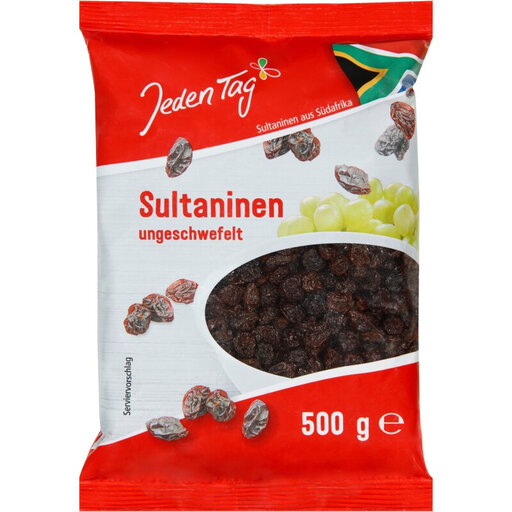 Image unavailable
Jeden Tag sultanas, 500 g
This larger pack is a good option if you use sultanas regularly and portion them out at home for individual lunches. Check the information on the pack for ingredients and nutritional values.
View at Joybuy
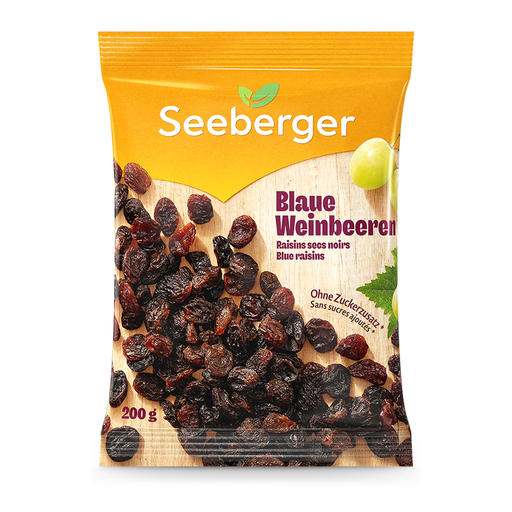 Image unavailable
Seeberger dried wild blueberries, 200 g
The 200-g pack is a smaller alternative to the 500-g larger packs if you only occasionally want to take wild blueberries with you for lunch. If sugar content matters to your choice, compare the nutritional information on the pack.
View at Joybuy
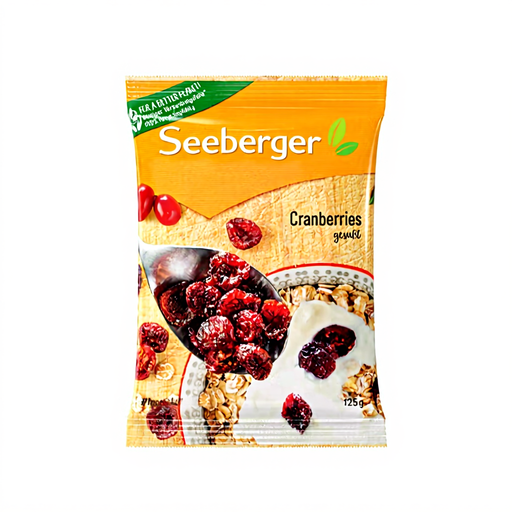 Image unavailable
Seeberger sweetened dried cranberries, 125 g
This small pack is a handy addition to your lunch if you fancy sweetened cranberries. To compare sugar content, check the nutritional information per 100 g on the pack.
View at Joybuy
 Image unavailable
Seeberger soft dried mango slices, 100 g
The 100-g pack is a smaller quantity for occasional lunches. If ingredients or allergens are important to your choice, check the labelling on the specific pack.
View at Joybuy
Frequently asked questions
Does ‘no added sugar’ mean dried fruit is low in sugar?
No. ‘No added sugar’ doesn’t mean a product is low in sugar. The Verbraucherzentrale notes that dried fruit also contributes to the sugar content of foods. For the product you choose, check the sugar content per 100 g in the nutritional information.
What should I look out for with sulphur dioxide and sulphites?
Check the ingredients and allergen labelling on every pack of dried fruit if sulphur dioxide or sulphites are relevant to you. EDEKA Herzstücke mixed dried fruit specifically lists sulphur dioxide; you can’t assume that other products have the same ingredients.
How does dried fruit fit in with a BackWerk lunch?
Dried fruit can add a fruity touch to a filled roll or snack, but it doesn’t automatically replace a complete lunch. The German Nutrition Society includes dried fruit in the fruit and vegetable group. You can choose how much to take with you based on the rest of your meal and how much you plan to use.
Can I rely on the online information for ingredients and nutritional values?
When choosing a product in store, read the information on the specific pack. EDEKA refers shoppers to the packaging for its mixed dried fruit; ALDI SÜD notes that its 200-g apricots may come from different suppliers, which can mean different nutritional information.


