Hosts putting out snack bowls
You want to offer fruity snacks and compare fat and sugar using the nutritional information per 100 g, rather than relying on a variety’s name.


For a birthday party, choose dried fruit based on how you plan to serve it, its ingredients and its nutritional information – not just a low fat content. Soft fruit works well in snack bowls, while freeze-dried fruit makes a crunchy topping; for both, it’s worth checking the sugar content and ingredients. If a pack says ‘reduced fat’, it’s also important to check which comparable product the claim refers to.
You want to offer fruity snacks and compare fat and sugar using the nutritional information per 100 g, rather than relying on a variety’s name.
You’re looking for a crunchy fruit topping for a dessert or cake. Freeze-dried fruit is a different way to serve fruit from soft dried fruit.
If any guests need to avoid particular ingredients, check the ingredients list and allergen information on the specific pack before serving, especially for sulphur dioxide and sulphites.
First decide whether you need soft fruit for a bowl or crunchy fruit as a topping. Then compare the nutritional information per 100 g and check the ingredients for the variety you’re considering.
| Criterion | What to check | Who it matters to |
|---|---|---|
| Fat content | Compare fat per 100 g. For ‘reduced fat’ claims, check which comparable product is used and how much the fat content has been reduced. | If reducing fat matters to me, I don’t want to confuse a reduction claim with simply having a low fat content. Around 40% of consumers prioritise this when making their choice. |
| Sugar and quantity | Check sugar and energy per 100 g; if you’re serving fruit for guests to help themselves, plan how much you’ll need. | For a snack bowl that guests can help themselves to, I want to know how much sugar the fruit contains and decide the portion size myself. Around 30% of consumers make this a priority. |
| How it’s served | Choose between soft dried fruit and crunchy freeze-dried fruit according to how you plan to serve it. | If the fruit is going on a dessert, I want a different texture from the soft fruit I’d put in a bowl. Around 20% of consumers prioritise choosing the right way to serve it. |
| Ingredients | Check the ingredients list and allergen information on the specific pack, especially for fruit mixes. | When I’m shopping for guests with known sensitivities, I need to be able to identify possible sulphites and other ingredients before serving. Around 10% of consumers make this a priority. |
The Verbraucherzentrale’s Lebensmittelklarheit website explains that ‘reduced fat’ is a comparative claim meaning at least 30% less fat than a comparable product. ‘Low fat’, on the other hand, means no more than 3 g of fat per 100 g. Neither claim tells you the sugar content on its own.
If a product makes a reduction claim, check which product it’s being compared with, then read the nutritional information per 100 g.
EDEKA lists 0.3 g of fat and 46 g of sugar per 100 g for its Fruchtiges Mischobst. The fat content alone doesn’t tell you how you might want to serve this mix as a party snack.
Compare fat, sugar and energy on the same basis, then decide how much you’ll serve.
According to the product information, EDEKA’s Fruchtiges Mischobst contains sunflower oil, potassium sorbate and sulphur dioxide, among other ingredients, as well as fruit. The exact ingredients are particularly important when you’re catering for guests with known sensitivities.
Check the ingredients list and allergen information on the pack before serving the mix.
Freeze-dried fruit is great for adding a crunchy touch. But if you’re putting out a bowl for lots of guests to share, you’ll need to take the pack size into account.
Plan the amount you need according to how you’ll serve it: as a topping or as a snack in its own right.
The range includes classic and soft dried fruit, mixes and freeze-dried fruit. This is especially useful when choosing between a soft or crunchy option.
Fruchtiges Mischobst is a mixed-fruit option for a snack bowl or baking.
REWE’s range includes both classic dried fruit and freeze-dried fruit.
Lidl sells dried fruit under the Alesto brand alongside nuts and other party snacks.
This selection includes soft dried fruit and a fruit mix for snack bowls. A low stated fat content alone doesn’t make any of these products a verified ‘reduced-fat’ option; that would require a clear comparison with a similar product.
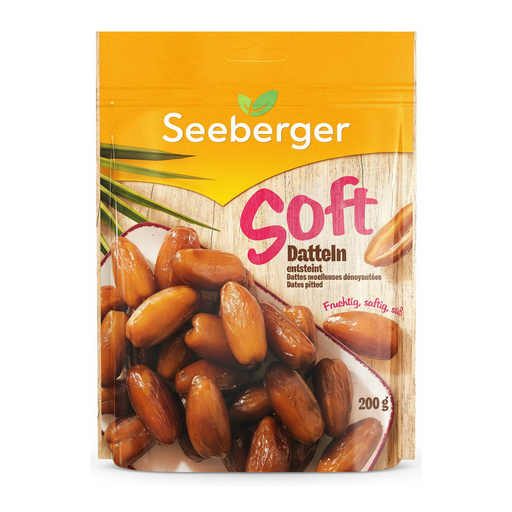 Image unavailable
If you’re looking for soft dates for a snack bowl, this 200 g pack is one option. Compare the sugar content and ingredients on the pack as part of your choice.
 Image unavailable
This 500 g pack could be a good choice if you’re planning a larger bowl of jujubes as a fruity snack. Check the preparation instructions and nutritional information on the pack before serving.
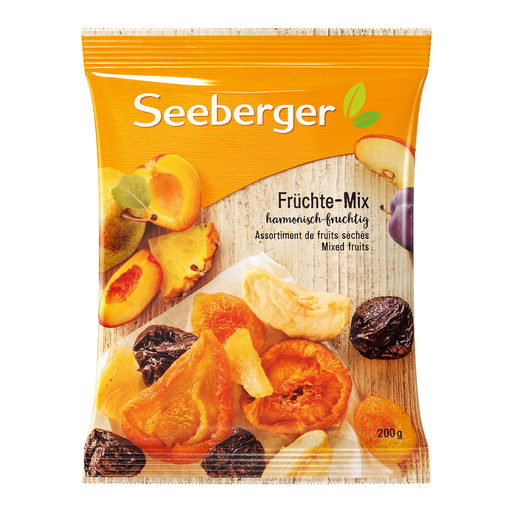 Image unavailable
If you’re putting out a bowl of different soft fruits, you could consider this 200 g mix. Check the ingredients list and sulphite information carefully before serving.
 Image unavailable
If you’d like to offer mango slices as a soft fruit option, you could include this 100 g pack. Check the ingredients and allergen information on the specific pack before serving.
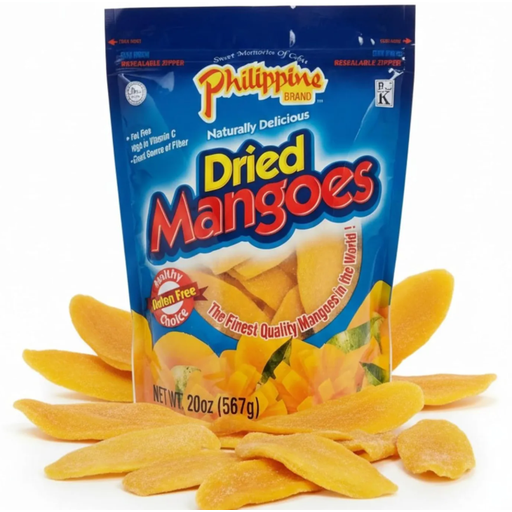 Image unavailable
This 100 g pack is another way to add dried mango to a small selection of snacks. Compare the ingredients, allergen information and nutritional values with those of other mango varieties.
‘Reduced fat’ is a comparative claim, not simply a description of a low fat content. The Verbraucherzentrale’s Lebensmittelklarheit website explains that it means at least 30% less fat than a comparable product. So check what the claim on the specific pack refers to.
No. Fat content alone tells you neither how much sugar the fruit contains nor whether it’s suitable for the way you want to serve it. For example, EDEKA lists 0.3 g of fat and 46 g of sugar per 100 g for its Fruchtiges Mischobst. Compare the nutritional values and decide how much you want to offer.
Read the ingredients list and allergen labelling on the specific pack. EDEKA lists sulphur dioxide in the product information for its Fruchtiges Mischobst; don’t assume the same applies to other varieties without checking.
Follow the storage instructions on the relevant pack and seal any opened product well. For dried plums, EDEKA recommends storing them in a cool, dry place and advises against keeping them in the fridge.