Buffet planners comparing fat content
If you’re choosing dried fruit based on its fat content, compare the nutritional information per 100 g. A claim such as ‘reduced fat’ is no substitute for checking the actual figure.


For a Boxing Day buffet, the fat content per 100 g tells you more than the words ‘reduced fat’ alone. Under European Commission rules, ‘low fat’ can only be used for solid foods containing no more than 3 g of fat per 100 g; ‘reduced fat’, by contrast, indicates a comparison. Then choose according to the texture you want, and check the sugar, ingredients and allergen information on the specific pack.
If you’re choosing dried fruit based on its fat content, compare the nutritional information per 100 g. A claim such as ‘reduced fat’ is no substitute for checking the actual figure.
Soft dried fruit is ideal for snack bowls, while crunchy freeze-dried fruit can be added to desserts or yoghurt. How you plan to serve it will help determine which type of fruit to choose.
If guests need to avoid certain ingredients, check the ingredients list and highlighted allergens before serving. Sulphur dioxide, for example, may be relevant in fruit mixes, as shown by the information for EDEKA’s mixed fruit.
First, decide whether you want fruit to eat straight from the bowl or to use as a topping. Then compare the nutritional information and ingredients of the varieties that suit your plans.
| What to consider | What to check | Who it matters to |
|---|---|---|
| Fat content | Compare the fat per 100 g. For solid foods labelled ‘low fat’, the European Commission sets a limit of 3 g per 100 g. | I don’t want to rely on ‘reduced fat’ alone; I want to see the actual fat content. Around 36% of consumers put this check first. |
| Texture and how you’ll serve it | Choose soft fruit for snack bowls or freeze-dried fruit for crunchy toppings; if you’re buying a mix, check which varieties it contains. | I need fruit that suits how I plan to serve it, rather than simply a particular pack size. Getting the right type is the main concern for around 29% of consumers. |
| Sugar and portions | Check the ‘of which sugars’ figure per 100 g and consider how much you’ll put out in each bowl. | Even if it’s low in fat, I want to check the sugar content and work out portions for the buffet. Around 21% of consumers put this first. |
| Ingredients and allergens | Check the ingredients list and allergen information on the specific pack, especially for mixed fruit and for guests who need to avoid sulphites. | Before serving fruit to guests, I need to know which ingredients and declared allergens it contains. This is the priority for around 14% of consumers. |
A reduced-fat claim compares a product with something else; on its own, it doesn’t tell you that the product has a low fat content. It also doesn’t mean that the product is low in calories.
Check fat and energy separately in the nutritional information. For solid foods labelled ‘low fat’, the European Commission sets a limit of no more than 3 g of fat per 100 g.
Low fat doesn’t mean low sugar: REWE lists 39 g of sugar per 100 g for ja! prunes.
Compare the ‘of which sugars’ figures for the varieties you’ve chosen, then decide how much to put out in the buffet bowls.
Alongside fruit, EDEKA Herzstücke mixed fruit lists sunflower oil, potassium sorbate and sulphur dioxide. This is particularly important if guests need to avoid certain ingredients or sulphites.
Before serving, read the ingredients list and allergen information on the pack you’ve actually bought.
Seeberger offers classic dried fruit as well as its own selection of freeze-dried fruit.
The ja! prunes listed by REWE are a specific example with nutritional values provided.
EDEKA Herzstücke mixed fruit contains apricots, plums, pears, peaches and apple rings.
ALDI SÜD lists apricots from this own-brand range as dried fruit in a 200 g pack.
Lidl describes Alesto as a brand offering nuts and dried fruit.
This Joybuy selection includes dried plums, red dates, mango and apple rings to enjoy as snacks at your buffet. For each variety, compare the fat, sugar and ingredients on the pack; the selection doesn’t include freeze-dried fruit.
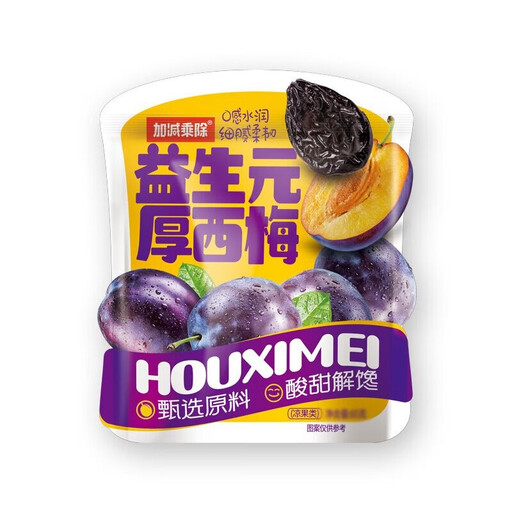 No image available
This 65 g pack of prunes could be just right for a small snack bowl. When planning your buffet, compare the sugar content and ingredients with those of the other varieties too.
 No image available
This 500 g pack of red dates is one option when choosing fruit for a buffet bowl. Before you decide, check the fat and sugar per 100 g, as well as the ingredients on the pack.
 No image available
Pitted red dates are another option for a snack bowl. The pack contains 280 g; for portion planning, it’s also worth checking the ‘of which sugars’ figure per 100 g.
 No image available
Soft mango slices are a good choice for a snack bowl if you’d like to offer a different texture from dates or prunes. Before serving, check the sugar and ingredients, along with the allergen information on the pack if any guests need to be aware of it.
 No image available
This 80 g pack of apple rings offers another type of fruit for your buffet bowl. Check the sugar and ingredients too; if any guests have specific requirements, it’s important to check the allergen information before serving.
No. Under European Commission rules, solid foods can only be labelled ‘low fat’ if they contain no more than 3 g of fat per 100 g; ‘reduced fat’ indicates a comparison. So check the fat content per 100 g and, if there’s a reduced-fat claim, find out what it’s being compared with.
Not necessarily. For example, REWE lists 0.3 g of fat and 39 g of sugar per 100 g for its ja! prunes. Compare both figures for the variety you plan to serve.
If any guests need to avoid sulphites, check the allergen information on the specific pack. EDEKA Herzstücke mixed fruit lists sulphur dioxide among its ingredients; this doesn’t apply to all dried fruit.
Follow the storage instructions on the pack and check any guidance for after opening. For ja! prunes, REWE recommends storing them in a dry place away from heat.