Households planning their weekly stock-up
If you eat the same fruit several times a week or use it for baking, a larger pack may be worth considering. The key is whether you can seal the opened pack properly and use it up in good time.


If you use dried fruit regularly, a larger pack could suit your weekly shop, provided your household gets through it and you can store it properly once opened. For lunchboxes, individually wrapped portions are more practical; a bulk pack or resealable bag is not the same as a multipack of individual portions. Whichever option you choose, check the ingredients and nutritional information on the specific pack.
If you eat the same fruit several times a week or use it for baking, a larger pack may be worth considering. The key is whether you can seal the opened pack properly and use it up in good time.
If you want to take smaller amounts with you, look for individually wrapped portions or divide the fruit into portions at home. Freeze-dried fruit can also work well as a crunchy topping.
If you’re keeping an eye on added sugar, sulphur dioxide or other ingredients, check the label on the specific product. You can’t judge a fruit mix by its name alone.
First decide whether you need dried fruit to stock up on, for several different uses or in separate portions. Then you can check the pack size, ingredients and storage instructions to find the right option.
| What to consider | What to check | Who it matters most to |
|---|---|---|
| Pack size and storage | Compare the pack size with how much you plan to use that week, and check the seal and storage instructions for after opening. | If I need the same fruit several times, I want to be able to store the opened pack properly. This is a priority for around 31% of consumers. |
| Ingredients and sugar | Read the ingredients list and the ‘of which sugars’ figure per 100 g in the nutritional information; check for sulphur dioxide if needed. | If people in my household have different requirements, I want to know what else is in the pack besides the fruit. Around 31% of consumers focus mainly on the ingredients when buying. |
| Type and intended use | Choose a single fruit or a mix to suit the snacks and recipes you have in mind; check which fruits are included in a mix. | If I want to use a pack for both snacking and baking, I need a mix that genuinely works for both. This versatility is the most important factor for around 23% of consumers. |
| Lunchboxes and texture | Look for individually wrapped portions if you need them, and check the product type if you want a crunchy topping. | For a lunchbox, I want to take a portion with me without having to pack a large bag every time. Around 15% of consumers prioritise portion size. |
A 300 g or 500 g bag doesn’t automatically contain separately wrapped lunchbox portions. That matters if you want to take the fruit with you on several different days.
Check how many inner bags are included. If there are no individual portions, you can divide the amount you need into airtight containers at home.
Dried fruit contains natural sugars. Removing the water means that sugar and energy count for more per 100 g than in the equivalent fresh fruit, as the Verbraucherzentrale explains.
Read the ingredients list and the ‘of which sugars’ figure per 100 g. The portion you actually eat also matters in everyday use.
A mix may contain other ingredients. EDEKA lists sunflower oil, potassium sorbate and sulphur dioxide alongside the fruit in its 5-fruit mix.
Check the ingredients list and allergen information on the specific pack, rather than assuming you know what’s in it from the fruit type or product image.
Seeberger offers several classic dried fruits in a range of pack sizes.
An option for households that want to use several types of dried fruit from one bag.
ALDI SÜD sells 500 g packs of dried prunes under the FARMER NATURALS brand.
Lidl describes Alesto as a brand whose range includes dried fruit.
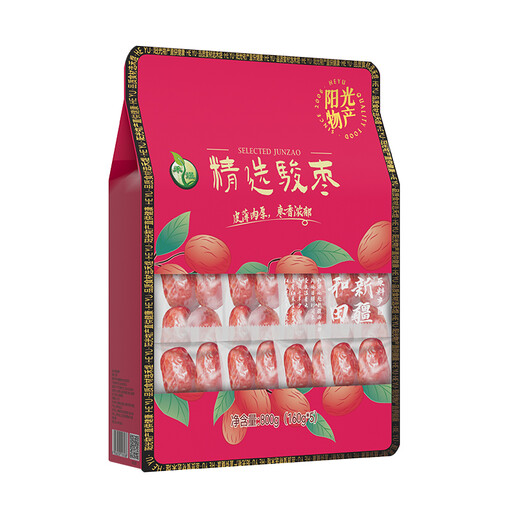
This selection includes individually packed jujubes and larger packs of single types of dried fruit. Five inner bags of 160 g each serve a different purpose from 30 individually wrapped 30 g portions. If you’re shopping for lunchboxes or to stock up, it’s worth checking the pack format carefully.
 No image available
The 30 individually wrapped portions are handy if you want to take dried fruit with you on several different days.
The dates contain stones, so take care when eating them.
 No image available
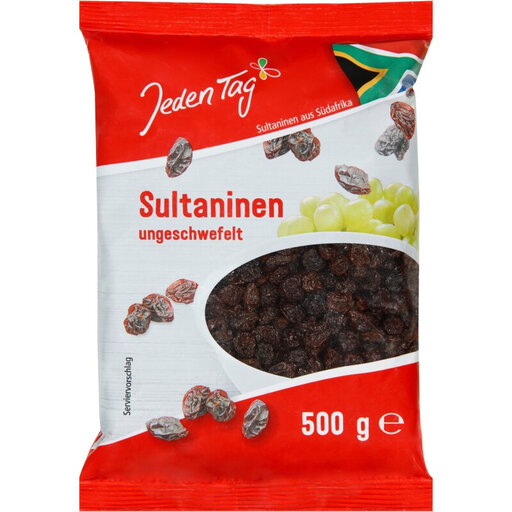
This pack could suit households that use sultanas regularly for snacking or in the kitchen.
For lunchboxes, portion out the amount you need and seal the rest in an airtight container after opening. If you’re checking the ingredients, note the sunflower oil listed.
 No image available
The 500 g pack is a good fit if your household uses the same type of jujube regularly.
Plan how you’ll store the fruit after opening, and check the seal if you intend to keep it in the original bag.
 No image available
The 500 g pack is a useful store-cupboard option if you eat prunes regularly or use them for baking.
The product information lists potassium sorbate as an ingredient and notes that, despite being pitted, some stones may remain. Check the pack’s seal for storage advice.
 No image available
The five separate 160 g bags are handy for portioning out supplies for planned kitchen uses, but they aren’t ready-to-eat lunchbox portions.
According to the product information, these jujubes must be washed thoroughly and cooked completely before eating. Do not eat them raw.
No. The claim refers to added sugar, while fruit naturally contains sugar. Compare the ‘of which sugars’ figure per 100 g in the nutritional information and consider how much you actually use.
According to the Lower Saxony State Office for Consumer Protection and Food Safety, sulphur dioxide or sulphites must be declared when levels exceed 10 mg/kg or 10 mg/l. If you need to avoid these substances, check the label on the specific pack.
Seal the dried fruit well and store it in a cool, dry place. For dried apple rings, EDEKA recommends a dry place at 7 to 10 °C and advises against storing them in the fridge. Also follow the instructions on your pack.
Freeze-dried fruit is worth considering if you’re looking for a crunchy ingredient for toppings or small snack portions. The Verbraucherzentrale notes that removing the water concentrates the sugar and energy per 100 g, so check the nutritional information and the amount you use.