People planning their snack portions
You fancy something sweet mid-morning and want to keep an eye on the calories. Both the kcal per 100 g and the amount you take from the pack matter.


If you’re choosing dried fruit for a calorie-conscious mid-morning snack, compare the energy value per 100 g and work out how it applies to the amount you actually want to eat. Removing the water makes dried fruit energy-dense; a short ingredients list or a ‘no added sugar’ claim doesn’t automatically mean it’s low in calories. If you’re sensitive to them, also check the label for sulphur dioxide and sulphites.
You fancy something sweet mid-morning and want to keep an eye on the calories. Both the kcal per 100 g and the amount you take from the pack matter.
You prefer a short ingredients list and want to know whether ingredients such as sugar, syrup, oil or chocolate have been added to a fruit snack.
What matters to you is whether the specific pack lists sulphur dioxide or sulphites. The product’s colour and picture are no substitute for the ingredients and allergen information.
The Federal Centre for Nutrition describes dried fruit as energy-rich because its fruit sugars are concentrated. So start by comparing products on the same per-100 g basis, then decide on your snack portion. The ingredients and allergen information will help you check for any other requirements.
| Criterion | What to check | Who it matters most to |
|---|---|---|
| Energy value and portion | Compare kcal per 100 g and work out the value for your planned snack portion. | When I’m snacking from a larger pack, I want to set aside a portion first so I can estimate its energy value. Around 50% of consumers put portion and calorie control first when making this choice. |
| Ingredients and sugar | Check the ingredients list for additions and compare the energy value and ‘of which sugars’ figures per 100 g in the nutrition information. | I want to know what’s in my snack besides fruit; ‘no added sugar’ doesn’t tell me the total sugar content. For around 30% of consumers, clear ingredients take priority when choosing. |
| Sulphur dioxide and sulphites | Check the ingredients and allergen information on the specific pack rather than judging by the colour or product picture. | If I need to watch out for sulphites, I need clear information about the specific product. Around 20% of consumers put checking for sulphites first when making this choice. |
This claim doesn’t rule out the naturally occurring sugars in dried fruit. Nor does it tell you the energy value of your portion.
Compare the energy value and ‘of which sugars’ figures per 100 g in the nutrition information, and take your planned portion into account.
According to the consumer advice centre, removing the water concentrates the sugars and calories per 100 g. So the low pack weight tells you little about its energy density.
Compare freeze-dried fruit by its kcal per 100 g and the amount you plan to eat.
REWE notes that light-coloured dried fruit is often treated with sulphur dioxide. You can’t reliably tell whether that applies to your snack from a product picture.
Check the ingredients and allergen information on the specific pack before choosing.
EDEKA describes dates as high in sugar and energy-dense. Chocolate-coated and candied varieties contain additional ingredients, so check their impact on the specific product.
To match your snack to your goals, start by comparing the energy value and ingredients of the options you’re actually considering.
Seeberger offers a range of dried fruit and fruit snacks.
This own brand includes dried mixed fruit.
REWE sells dried fruit from various brands, including freeze-dried products.
Alesto is a Lidl brand covering nuts, dried fruit and snacks.
ALDI SÜD sells dried apricots under this own brand, among other products.
This selection includes dried dates, jujubes and apple rings for a mid-morning snack. Use the pack size to plan your portion, and compare the nutrition and ingredients information for each variety before buying.
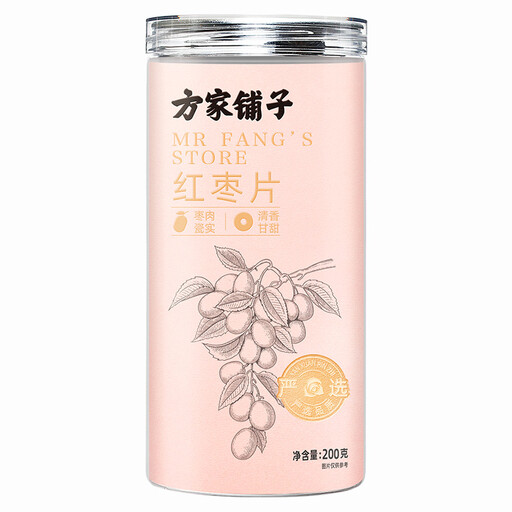 No image available
If you fancy date slices for a mid-morning snack, start by setting aside the amount you plan to eat.
Check the energy value for this portion using the nutrition information on the pack.
 No image available
If you prefer apple rings, plan your snack portion separately from the total pack contents.
If you’re sensitive to sulphites, the ingredients and allergen information on the specific pack are particularly important.
 No image available
If you’re looking for pitted dates to snack on, decide on your mid-morning portion in advance with this pack size.
Check the energy value and ‘of which sugars’ figure per 100 g on the pack.
 No image available
If you’re considering dried jujubes as a snack, compare their nutrition values with those of the other fruits you’re thinking of buying.
The pack size isn’t a substitute for setting a snack portion.
 No image available
If you’re choosing dried red dates for a mid-morning snack, decide how much you want to take from the pack before you eat.
Compare the energy value per 100 g and work it out for this amount.
Not necessarily. The Federal Centre for Nutrition describes dried fruit as energy-rich because its fruit sugars are concentrated. Your choice depends on the energy value per 100 g and the portion you actually plan to eat.
No, dried fruit can still contain naturally occurring sugars. As well as checking the ingredients list, look at the ‘of which sugars’ and energy value figures in the nutrition information.
Check the ingredients and allergen information on the specific pack for sulphur dioxide and sulphites. REWE notes that light-coloured dried fruit is often treated with sulphur dioxide, but colour alone isn’t a reliable way to confirm this for a particular product.
Not automatically. According to the consumer advice centre, removing the water also concentrates sugars and calories per 100 g in freeze-dried fruit. So compare the nutrition information and your planned portion rather than judging by the low pack weight alone.