For a calorie-conscious snack cupboard, it’s worth choosing dried fruit by comparing the calories per 100 g and the portion you actually plan to eat – not just by looking for the words ‘no added sugar’. REWE gives a range of 270 to 300 kcal per 100 g for dried fruit; individual products can differ, such as EDEKA Bio Soft Apricots, which EDEKA lists at 239 kcal per 100 g. Check that the ingredients and allergen information meet your needs on the specific pack.
Who should compare dried fruit?
Calorie-conscious shoppers stocking up
If you’re buying snacks for several days, compare the calories per 100 g and then decide how much you’ll have in each portion. The pack size alone doesn’t tell you much about the calories in an individual snack portion.
Shoppers looking to avoid added sugar
The ingredients list is key: plain dried fruit, sweetened cranberries and candied products all have different recipes. ‘No added sugar’ doesn’t tell you how many calories a product contains.
People sensitive to sulphites
Ingredients and allergen information are particularly important when choosing sulphured apricots. Check the specific pack to find an option that suits your needs.
What to look for when shopping
When doing your weekly shop, calories per 100 g give you a consistent starting point for comparing products. Your snack plans also depend on portion size, ingredients and how easy the opened pack is to store.
| What to check |
Shopping check |
Who is it important for? |
| Calories and portion size |
Compare kcal per 100 g and factor in the amount you plan to snack on. If a manufacturer gives a serving size, don’t confuse it with the contents of the whole pack. |
When I’m planning snacks for several days, I want to be able to estimate the calories in my usual portion. This is a key consideration for around 36% of shoppers. |
| Ingredients and added sugar |
Check the ingredients list for added sugar or sweetened ingredients, and consider the naturally occurring sugars separately. |
I want to buy dried fruit without added sugar, so I need to distinguish plain fruit from sweetened varieties. This is a priority for around 29% of shoppers. |
| Sulphites and allergens |
Check the ingredients and allergen information on the specific pack for sulphur dioxide or sulphites. |
If I’m sensitive to sulphites, I need to know whether a pack of apricots is suitable for me. Around 21% of shoppers mainly check this information when buying. |
| Stocking up and how you’ll use it |
Check that the pack size, closure and storage instructions suit the way you plan to use the product over several days. |
If I’m buying snacks and other ingredients to use throughout the week, I want a pack that’s easy to store. This everyday practicality is a priority for around 14% of shoppers. |
Common misconceptions
-
‘No added sugar’ means low in calories
Dried fruit contains energy and naturally occurring fruit sugars, even when no sugar has been added. REWE gives a range of 270 to 300 kcal per 100 g for dried fruit.
Use the added-sugar information to check the ingredients, and compare the calories and the portion you plan to eat separately.
-
Treating sweetened cranberries like plain dried fruit
According to the ingredients information, EDEKA’s listed sweetened cranberries contain 39% sugar and provide 331 kcal per 100 g. Their recipe is therefore different from that of plain dried fruit.
Check the ingredients list before you buy, then decide whether the product is for snacking or for use as an ingredient, based on the amount you plan to have.
-
Overlooking sulphite information on apricots
EDEKA’s product information for EDEKA Herzstücke Apricots and ja! Apricots lists sulphur dioxide. This is an important factor for shoppers with a sensitivity to it.
Check the ingredients and allergen information on every pack before choosing sulphured or unsulphured apricots.
-
Assuming product-page information applies to every pack
EDEKA notes that information on the packaging of its listed apricot products may differ.
When you do your weekly shop, check the nutritional information, ingredients, allergens and best-before date on the pack you’re actually buying.
Brands to help you choose
The product ranges mentioned here have different ingredients and nutritional values. When shopping, check the information for the specific product rather than relying on the brand name alone.
Seeberger
Seeberger offers dried fruit in a variety of forms, including apple rings and apricots.
- Seeberger describes its apple rings as having no added sugar.
- This information from the manufacturer doesn’t tell you the calories or portion size; check the nutritional information for the specific product.
EDEKA Bio / EDEKA Herzstücke
The listed apricot products differ in their ingredients and calorie content.
- EDEKA lists its Bio Soft Apricots, made with dried apricots and water, at 239 kcal per 100 g.
- EDEKA Herzstücke Apricots provide 263 kcal per 100 g according to EDEKA and contain sulphur dioxide. These figures apply to the specific products mentioned.
ja!
The dried ja! Apricots listed by REWE are a classic apricot option, sold in a 200-g pack.
- REWE lists this product at 275 kcal per 100 g.
- The ingredients list includes sulphur dioxide, so check the pack information if you’re sensitive to it.
Dried fruit at Joybuy
This selection includes dried red date slices to stock up on and apple rings in an 80-g pack. If you’re choosing with calories in mind, compare the nutritional information on each specific pack with the portion size you plan to have.
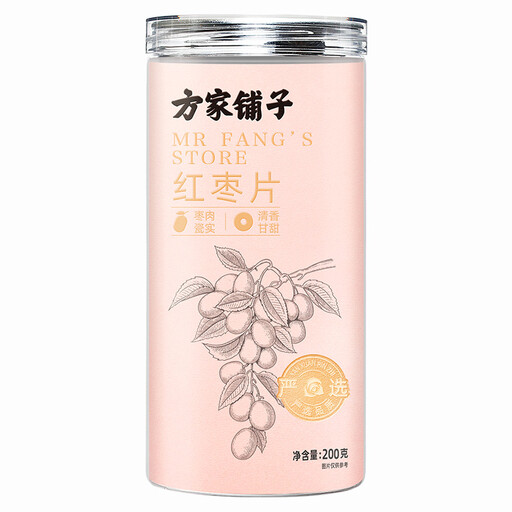 Image unavailable
Fang Jia Puzi dried red date slices, 200 g
If you’re stocking up on date slices, you can divide the 200-g pack into portions based on how much you plan to snack on. Before buying, compare the calories and ingredients information on the pack.
View at Joybuy
 Image unavailable
Seeberger dried apple rings, 80 g
The 80-g pack is a handy choice if you’re planning to buy a smaller amount of apple rings in your weekly shop, although it doesn’t define a snack portion for you. If you’re sensitive to sulphites, take particular care to check the ingredients and allergen information on the pack.
View at Joybuy
Frequently asked questions
Is dried fruit always low in calories?
No, the calorie content depends on the specific product. REWE gives a range of 270 to 300 kcal per 100 g for dried fruit, while EDEKA’s listed Bio Soft Apricots provide 239 kcal per 100 g. Compare products using the same measure and factor in your portion size.
How can I tell if sugar has been added?
The ingredients list shows whether sugar has been added. For example, EDEKA’s listed sweetened cranberries contain 39% sugar. Dried fruit with no added sugar still contains natural sugars from the fruit.
How can I tell if apricots have been sulphured?
Check the ingredients and allergen information on the pack for sulphur dioxide or sulphites. EDEKA’s product information for EDEKA Herzstücke Apricots and ja! Apricots lists sulphur dioxide; the information on the product you buy is what matters when making your choice.
How should I store dried fruit after opening?
Follow the storage instructions on the pack and keep dried fruit protected from moisture. REWE recommends storing opened dried fruit somewhere dry, dark and cool; instructions may vary for the specific product you buy.


