Dried fruit isn’t automatically low in calories: according to the consumer advice centre, removing water concentrates the sugar and calories per 100 g. So, when choosing a snack for the summer holidays, compare the energy and sugar content per 100 g and think about how much you’ll actually eat. Ingredients and allergen information matter too – especially for sweetened or sulphur-treated varieties.
Who should compare dried fruit?
Anyone planning their snack portions
You might want to take dried fruit with you on a drive or day trip, without treating the whole pack as one portion. The energy content per 100 g makes products easy to compare; for your own planning, you’ll also need to consider how much you intend to eat. The consumer advice centre points out that removing water concentrates the sugar and calories per 100 g.
Anyone who reads ingredient lists carefully
You may want to know whether a product contains anything besides fruit. So compare the ingredients and nutritional information together: a claim such as ‘no added sugar’ doesn’t tell you the total sugar content. The consumer advice centre highlights this too.
People travelling with someone who needs to avoid allergens
If you need to avoid sulphur dioxide or sulphites, the labelling on the specific pack is what matters. For example, the Herzstücke mixed fruit described by EDEKA contains sulphur dioxide; that doesn’t tell you anything about other dried fruit.
What should you look for when buying?
For dried fruit as a holiday snack, start by comparing the energy content and the portion you plan to eat. Then consider the ingredients, allergen information and format to decide which option suits your day out.
| What to consider |
What to check |
Who it matters most to |
| Energy content and portion |
Compare kcal per 100 g and relate the figure to the amount you plan to eat. |
On a long drive, I want to portion out my snack rather than eat the whole pack without realising. Portion planning would be the main consideration when buying for around 36 % of consumers. |
| Sugar and ingredients |
Check ‘of which sugars’ per 100 g and the ingredients list; look out for added sweeteners too. |
If I’m looking for fruit with no added sweetener, a claim on the front of the pack isn’t enough. Around 29 % of consumers would consider sugar and other ingredients their main selection criteria. |
| Allergen information |
Check the highlighted allergens and any information about sulphur dioxide and sulphites for the specific variety. |
If I need to avoid certain substances, the pack’s labelling determines whether I’ll consider a product at all. This check would be the priority for around 21 % of consumers. |
| Format and texture |
Compare pack sizes and the texture you prefer; check whether the amount is easy to portion out on the go. |
For a day out, I want a snack with a texture and pack size that suit my trip. This would be the main concern for around 14 % of consumers. |
Common assumptions when buying
-
Assuming ‘no added sugar’ means ‘low in calories’
The claim refers to added sugar, not naturally occurring sugar or energy content. According to the consumer advice centre, drying concentrates sugar and calories per 100 g.
Compare the nutritional information per 100 g and decide how much you’ll have as a snack.
-
Looking only at the fruit names in a mix
The recipe may include other ingredients. For its Herzstücke mixed fruit, EDEKA lists sunflower oil, potassium sorbate and sulphur dioxide, among other ingredients.
For every mix, read the ingredients list and highlighted allergen information on the specific pack.
-
Assuming crunchy fruit is low in calories
Freeze-dried fruit is light and crunchy. However, according to the consumer advice centre, removing water also concentrates sugar and calories per 100 g in these products.
Choose the texture you enjoy, and compare the energy content separately.
-
Assuming online information applies to every pack
Nutritional information can vary between products from different suppliers, as ALDI SÜD points out for its FARMER NATURALS prunes. EDEKA also notes that pack information may differ from what’s shown online.
Above all, check the ingredients, allergens and nutritional information on the pack you’re buying.
Brands to help you choose
The following brands and supermarket ranges offer different types of dried fruit. When choosing a specific product, its ingredients list and nutritional information are what matter.
Seeberger
Seeberger offers traditionally dried and freeze-dried fruit, soft fruit, fruit mixes and fruit crisps, among other products.
- Seeberger says it doesn’t use added sugar, artificial flavourings or colourings when making its apple rings.
- This doesn’t automatically apply to other varieties; Seeberger’s range also includes sweetened products.
REWE / REWE Bio / REWE Beste Wahl
The REWE range includes various types of dried fruit, such as apple crisps, freeze-dried strawberries, mango strips and dates.
- You can choose between different product types depending on the fruit and texture you prefer.
- The range also includes sweetened varieties. Check the ingredients list for each product rather than assuming you know the recipe from its category.
EDEKA Herzstücke
EDEKA Herzstücke mixed fruit is an example of a dried fruit mix where the exact recipe can affect your choice.
- For this mixed fruit, EDEKA lists 252 kcal and 46 g of sugar per 100 g, as well as the ingredients.
- The product contains sulphur dioxide. EDEKA notes that information on the pack may differ from what’s shown online.
FARMER NATURALS bei ALDI SÜD
FARMER NATURALS prunes are an example of traditionally dried fruit sold in a 500-g pack.
- For the product described, ALDI SÜD lists 221 kcal, 42 g of sugar and 16 g of fibre per 100 g.
- ALDI SÜD notes that products may vary between suppliers. Compare the nutritional information on the specific pack.
Dried fruit at Joybuy
These dates and prunes could make handy dried fruit snacks for when you’re out and about. The pack size and ingredients of each variety can help you choose; for a calorie comparison, check the nutritional information on the specific pack.
 No image available
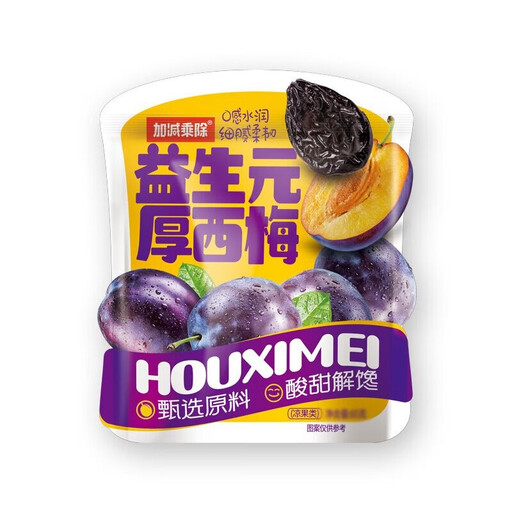
Jia Jian Cheng Chu prebiotic thickened prunes, 65 g
The 65-g pack is a handy option if you’re looking for a smaller pack to take with you. Check the ingredients if you’re looking for a prune variety with no added sweetener, and consider the energy content in relation to the amount you plan to eat.
View at Joybuy
 No image available
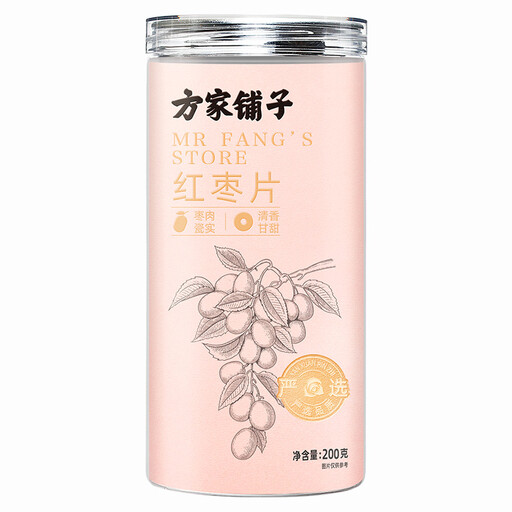
Fang Jia Puzi dried red date slices, 200 g
The date slices could be a good choice if you want to portion out dried fruit for a day trip. The pack contains 200 g; compare the ingredients, energy content and sugar per 100 g on the specific pack to help you choose.
View at Joybuy
 No image available
Seeberger Deglet Nour dates, pitted, 500 g
These pitted dates could be a good option if you want to divide a 500-g pack into smaller portions before a day out. Check the nutritional information per 100 g and the amount you take to see whether the snack suits your planned portion.
View at Joybuy
 No image available
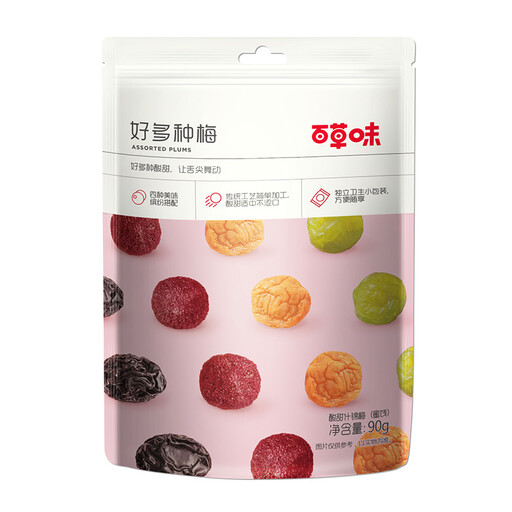
Be&Cheery assorted dried plums, 90 g
The 90-g pouch is a handy way to take plums with you. If you’re looking for plain dried fruit, check the full ingredients list for this variety; remember to factor in the nutritional information when planning your portion too.
View at Joybuy
Frequently asked questions
Is dried fruit with no added sugar also low in calories?
No. ‘No added sugar’ doesn’t mean it has a low energy content. Fruit still contains natural sugar; according to the consumer advice centre, removing water concentrates sugar and calories per 100 g. So compare the nutritional information and the portion you plan to eat.
How do I compare dried fruit for a holiday day out?
Compare the energy content and ‘of which sugars’ per 100 g, then consider how much you want to eat. An additional serving suggestion on the pack is only useful if it matches the amount you’ll actually have as a snack.
What should I look out for if I need to avoid sulphites?
Check the ingredients list and allergen labelling on the specific dried fruit for sulphur dioxide and sulphites. The Herzstücke mixed fruit described by EDEKA contains sulphur dioxide; this information shouldn’t be applied to other products.
Are freeze-dried fruits lower in calories when you’re out and about?
Not necessarily. They can be light and crunchy, but according to the consumer advice centre, freeze-dried fruit also has concentrated sugar and calories per 100 g. So consider the texture you want separately from the nutritional information.


