Dried fruit isn’t automatically a low-calorie choice if you’re looking for a snack. Removing the water concentrates the sugar and energy per 100 g, as explained by the Federal Centre for Nutrition and the consumer advice centre. So, when you’re picking up a few extras, check the nutritional information and ingredients on the specific pack, and think about the portion you actually want to eat. If you’d rather enjoy a larger snack with a lower energy density, fresh fruit is another option.
Who should consider these selection criteria?
Calorie-conscious snack buyers
You want to stock up on dried fruit, but don’t want to choose based on pack size alone. Compare the energy and sugar per 100 g, and think about how much you’d eat as a snack. The Federal Centre for Nutrition and the consumer advice centre highlight how removing water concentrates these nutrients.
Shoppers who check the ingredients
You’re looking for a particular fruit or a simple recipe. With berry mixes in particular, it’s worth checking the ingredients list: according to REWE, its Beste Wahl Berry Mix contains sweetened cranberries. ‘No added sugar’ doesn’t mean the fruit contains no sugar.
Snack buyers for the office or on the go
You need fruit that’s easy to keep in your bag or at your desk. Check the pack size, closure and storage instructions as well as the nutritional information. A handy format doesn’t tell you anything about the energy or sugar per 100 g.
What should you look for when buying?
Classic dried fruit
A good choice if: You’re looking for a compact, long-lasting snack and want to decide the portion size yourself.
Consider: Drying concentrates the sugar and energy per 100 g; mixes may contain other ingredients too.
Freeze-dried fruit
A good choice if: You’d like crunchy fruit pieces as a snack or topping.
Consider: Freeze-dried fruit isn’t automatically lower in energy per 100 g. EDEKA lists 310 kcal per 100 g for its strawberry slices, while REWE lists 349 kcal per 100 g for Seeberger strawberries.
Fresh fruit
A good choice if: You’d rather have a larger snack with a lower energy density than a compact snack to keep in the cupboard.
Consider: Fresh fruit is less robust when you’re out and about, and doesn’t keep as long as dried fruit.
| Criterion |
What to check |
Who it matters to |
| Energy and portion size |
Compare kcal per 100 g and think about how much you’d like to eat from the pack. |
If I snack straight from the bag, I want to be able to judge the amount more easily. Around 36% of consumers put portion size and energy at the top of their list. |
| Sugar and ingredients |
Read the ingredients list and check the sugar per 100 g; ‘no added sugar’ doesn’t mean sugar-free. |
When I buy a fruit mix, I want to know whether sugar has been added as well as fruit. For around 29% of consumers, the recipe is the top priority. |
| Snack format |
Check the pack size, closure and storage instructions for after opening. |
For the office or my bag, I need a pack that’s easy to keep handy for snack breaks. This is the main concern for around 21% of consumers. |
| Labelling and availability |
Check the ingredients and allergen information on the current pack, as well as what’s available at your local store. |
If I need to avoid certain ingredients, the labelling on the specific product must meet my requirements. Around 14% of consumers prioritise this information and the products currently available. |
Common misconceptions
-
Confusing ‘no added sugar’ with sugar-free
Fruit naturally contains sugar. REWE’s listing for Seeberger freeze-dried strawberries shows that they contain strawberries only, yet still have 50 g of sugar and 349 kcal per 100 g.
As well as checking the ingredients list, look at the sugar and energy per 100 g, and take your planned portion into account.
-
Assuming every fruit mix contains fruit and nothing else
Recipes vary: according to REWE, its Beste Wahl Berry Mix contains sweetened cranberries and sunflower oil. EDEKA lists sunflower oil, potassium sorbate and sulphur dioxide among the ingredients in its dried fruit mix.
If you want to avoid certain ingredients, check the composition of each variety rather than relying on the fruit names on the front of the pack.
-
Assuming freeze-dried means low-calorie
The crunchy texture doesn’t change the fact that removing water concentrates the sugar and energy per 100 g. The consumer advice centre also highlights this difference compared with fresh fruit.
Choose freeze-dried fruit for the texture you’re after, not because you assume it’s low in calories without checking.
-
Assuming online information applies to every pack
ALDI SÜD notes that its apricots may vary between suppliers, which can affect the nutritional information. EDEKA also points out that packaging information may differ from details online.
When you’re picking up a few extras, check the current pack and keep another suitable variety in mind as a back-up.
Brands to help you choose
Seeberger
Seeberger offers a range of dried fruit, including both classic and freeze-dried varieties.
- Seeberger says its range also includes unsulphured fruit, making it easier to compare varieties by their ingredients.
- The brand doesn’t have one standard nutritional profile. REWE lists 349 kcal and 50 g of sugar per 100 g for Seeberger freeze-dried strawberries.
REWE Beste Wahl
This own-brand range includes fruit mixes, so you can check the recipe on the specific pack.
- REWE lists the individual fruits and other ingredients in its Berry Mix.
- The Berry Mix contains sweetened cranberries and sunflower oil, so it isn’t a fruit product made from just one ingredient.
EDEKA Herzstücke
The range includes dried fruit mix and freeze-dried strawberry slices.
- EDEKA lists strawberries as the only ingredient in its freeze-dried strawberry slices, with 310 kcal per 100 g.
- The dried fruit mix contains sunflower oil, potassium sorbate and sulphur dioxide, among other ingredients. Always check the information on the current pack when choosing.
NATURLIEBLINGE - KLEINE SCHÄTZ (ALDI SÜD)
ALDI SÜD’s dried fruit range includes apricots available in store.
- Product-specific nutritional information is available for comparing the apricots.
- ALDI SÜD points out that different suppliers may result in different nutritional information.
Alesto (Lidl)
Lidl’s Alesto brand covers nuts and dried fruit, including mango strips.
- Lidl describes its mango strips as having no added sugar, while also noting that they contain naturally occurring sugar.
- For a calorie comparison, check the nutritional information on the pack of the variety you’re actually buying.
Dried fruit at Joybuy
These two classic dried fruits could make handy, compact snacks when you’re picking up a few extras. Compare the nutritional information on each pack to help you choose, and decide on your portion size yourself.
 Image unavailable
Seeberger dried apple rings, 80 g
These apple rings are a handy dried fruit snack for when you’re out and about. The pack contains 80 g. If these details are important to your choice, compare the energy and sugar per 100 g, along with the ingredients on the current pack.
View at Joybuy
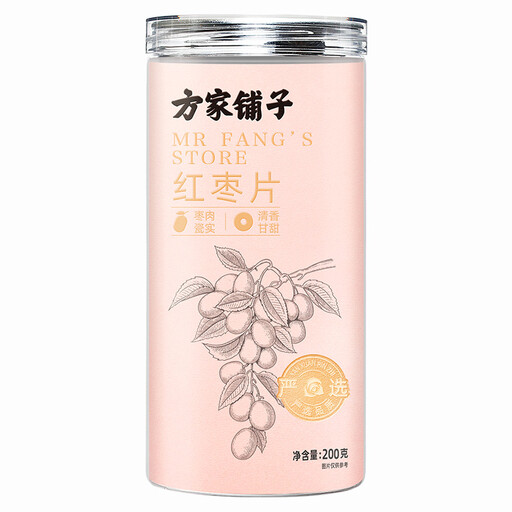 Image unavailable
Fang Jia Puzi dried red date slices, 200 g
These dried date slices are an option if you’re looking for dried fruit to enjoy over several snack portions. The pack contains 200 g. Before buying, check the energy and sugar information, and plan your portion independently of the pack size.
View at Joybuy
Frequently asked questions
Is dried fruit a low-calorie snack?
Not necessarily. Drying removes water, concentrating the energy and natural sugar per 100 g, as explained by the Federal Centre for Nutrition and the consumer advice centre. Compare the specific product and take your portion into account. If you’d rather have a larger snack with a lower energy density, consider fresh fruit.
Does ‘no added sugar’ mean the same as sugar-free?
No. Dried fruit still contains the sugar naturally present in the fruit, even if no sugar has been added. Checking the ingredients list and nutritional information per 100 g can help you distinguish between added sugar and the total sugar content.
How can I spot extra ingredients in a fruit mix?
Check the ingredients list on the specific pack. According to REWE, its Beste Wahl Berry Mix contains sweetened cranberries and sunflower oil, so the fruit name on the front of the pack doesn’t tell you everything about the recipe.
What should I check about sulphur dioxide in dried fruit?
If sulphur dioxide or sulphites are relevant to your choice, check the ingredients and allergen information on each specific pack. EDEKA lists sulphur dioxide in its dried fruit mix; you can’t assume the same ingredients are used in other dried fruit products.


