For a calorie-conscious dried fruit stash, compare products by their energy per 100 g and by the amount you actually plan to eat – don’t rely on a claim such as ‘no added sugar’ alone. The Consumer Advice Centre points out that removing water concentrates the sugar and energy per 100 g. Check the ingredients too, and choose a pack size you can store properly and use up.
Who should compare these products?
Calorie-conscious shoppers stocking up
If you regularly plan to have dried fruit as a snack, you’ll need an idea of your usual portion size as well as the nutrition information per 100 g. A large pack makes it easier to stock up, but it doesn’t determine how much you eat.
Shoppers comparing ingredients
If you want to avoid added sweetening ingredients, check the ingredients list alongside the nutrition information. According to the Consumer Advice Centre, ‘no added sugar’ does not mean ‘sugar-free’.
Shoppers who need to watch out for sulphites
If sulphur dioxide or sulphites are relevant to you, check the ingredients and allergen information for every dried fruit, especially mixes. The colour of the fruit is no substitute for checking the pack.
What should you look for when buying?
First decide which fruit and portion size suit your snack; then compare the ingredients and pack size for your stash.
Pitted prunes
A good choice if: You regularly use a 500-g pack. The prunes checked here offer a useful starting point for comparing nutrition information.
Consider: REWE lists 243 kcal per 100 g for ja! prunes, while EDEKA lists 294 kcal per 100 g for GUT&GÜNSTIG. Products can differ even within the same type of fruit.
Dried dates
A good choice if: You want to enjoy dates as a sweet snack or use them in dishes. Choose an amount that suits how you plan to use them.
Consider: For the REWE Feine Welt Medjoul dates checked here, REWE lists 296 kcal and 67 g of sugar per 100 g. The pack contains dates with stones.
Freeze-dried fruit
A good choice if: You want crunchy pieces of fruit to use as a topping, for example. This type of product may suit how you plan to use it.
Consider: Removing water doesn’t automatically make it lower in energy: REWE lists 327 kcal per 100 g for the KoRo freeze-dried strawberries checked here.
| Criteria |
What to check |
Who should pay particular attention |
| Energy per portion |
Compare kcal per 100 g and work out the amount for the portion you plan to eat. REWE lists 73 kcal per 30 g for the ja! prunes checked here. |
When I snack straight from a large pack, I want to be able to gauge the energy in my portion. That’s why around 42% of shoppers put portion size first when choosing. |
| Ingredients and sugar |
Check the ingredients list and nutrition information together: look out for sweetening ingredients and compare ‘of which sugars’ per 100 g. |
I want to tell whether sweetening ingredients have been added to the fruit without overlooking its natural sugar content. For around 33% of shoppers, checking the ingredients and sugar content is their main concern. |
| Pack size and storage |
Check the weight, closure, best-before date and storage advice; choose an amount based on how much you actually use. |
A larger pack only makes sense for me if I can store it properly and use it regularly. Around 25% of shoppers say this is their main consideration when choosing. |
Common mistakes when stocking up
-
Assuming all dried fruit is low in calories
The Consumer Advice Centre explains that removing water concentrates the sugar and energy per 100 g. How much you eat therefore matters just as much as comparing nutrition information.
Compare the energy figures per 100 g and decide on a portion before you eat, rather than treating the pack size as a single portion.
-
Confusing ‘no added sugar’ with ‘sugar-free’
A claim about added sugar doesn’t tell you how much sugar the dried fruit itself contains. A product with no added sugar can still have a high sugar content per 100 g.
As well as checking the claim on the pack, look at the ingredients list and the ‘of which sugars’ and energy figures in the nutrition information.
-
Buying a large pack without planning how you’ll use it
A 500-g pack is better suited to regular use. If you open it repeatedly, the closure and storage advice matter when keeping it in your cupboard.
Choose a pack size that matches how much you use, and check the storage advice and best-before date on the specific pack.
-
Overlooking the ingredients in dried fruit or mixes
Sulphur dioxide or sulphites may matter to shoppers with a sensitivity to them. Mixes may also contain other ingredients that need checking.
Before buying, read the ingredients and allergen information on the specific pack rather than guessing what it contains based on the type or appearance of the fruit.
Useful brands to compare
Seeberger
Seeberger offers classic dried fruit and freeze-dried fruit. Its range also includes products with different ingredients, including sweetened varieties.
- The choice of different fruit types makes it possible to compare ingredients and pack sizes.
- The type of fruit or a claim about its ingredients is no substitute for checking the energy and sugar content per 100 g.
ja!
REWE sells ready-to-eat, pitted prunes under the ja! brand in a 500-g pack.
- REWE lists 243 kcal per 100 g and 73 kcal per 30 g for this product.
- According to REWE, it contains water and potassium sorbate as well as dried plums. If you want to avoid particular ingredients, check the pack.
GUT&GÜNSTIG
EDEKA describes this own-brand product as ready-to-eat, pitted prunes in a 500-g tub with a resealable lid.
- EDEKA lists 294 kcal per 100 g for this product; you can reseal the tub after taking some out.
- The ingredients list includes potassium sorbate. Check the details on the specific pack if the ingredients or nutrition information matter to you.
Dried fruit at Joybuy
This selection includes prunes and dates in 500-g packs, as well as dried red date slices in a 200-g pack. If you’re stocking up with calories in mind, compare the nutrition information on each specific pack with the portion you plan to eat.
 No image available
Seeberger soft pitted prunes, 500 g
The 500-g pack could suit you if you regularly keep prunes in stock; you can take out a suitable amount for a snack.
According to the product information, stones or pieces of stone may still be present despite the ‘pitted’ description.
View at Joybuy
 No image available
Seeberger pitted Deglet Nour dates, 500 g
The 500-g pack could suit you if you regularly use dates and portion out your own snacks.
For a calorie-conscious choice, compare the energy per 100 g on the pack with the portion you plan to eat.
View at Joybuy
 No image available
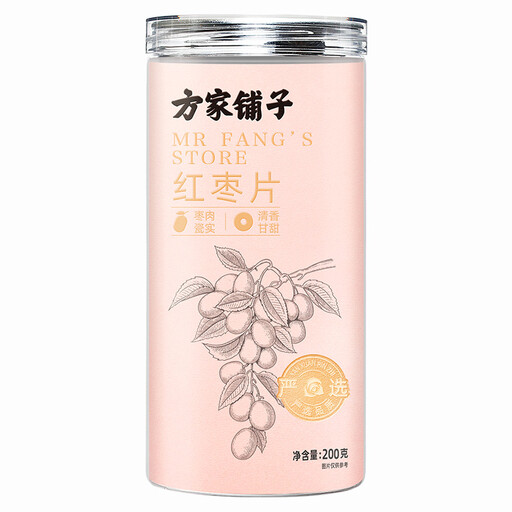
Fang Jia Puzi dried red date slices, 200 g
The sliced pieces could suit you if you want to use red dates in tea or dishes; the pack contains 200 g.
If you’re choosing based on sugar and energy content, check the nutrition information on the specific pack.
View at Joybuy
Frequently asked questions
Is dried fruit with no added sugar sugar-free or low in calories?
No. ‘No added sugar’ means neither ‘sugar-free’ nor automatically ‘low in calories’. The Consumer Advice Centre points out that dried fruit contains natural sugars, which become more concentrated, along with the energy, per 100 g when water is removed. Compare the ingredients list and nutrition information.
How can I tell whether dried fruit contains sulphur dioxide or sulphites?
Check the ingredients and allergen information on packaged dried fruit for sulphur dioxide or sulphites. If you’re sensitive to them, don’t rely on the fruit’s colour or type. Check the labelling on every specific pack, including mixes.
What should I bear in mind when storing larger packs?
Follow the storage advice on the specific pack and choose an amount you’ll use regularly. For the REWE Feine Welt Medjoul dates checked here, REWE recommends storing them in a dry place and protecting them from heat; storage advice may vary for other products.


