Dried fruit isn’t automatically low in calories, even when you’re looking for a calorie-conscious snack for the school holidays. As the Verbraucherzentrale explains, removing the water concentrates the sugars and calories per 100 g. If you want to avoid added sugar, check the ingredients list for unsweetened options, then compare the nutrition information per 100 g and portion some out in advance. When choosing snacks for children, or if you’re sensitive to sulphites, always check the labelling on the specific pack.
Who should pay attention to their choice?
Calorie-conscious shoppers
If you’re planning something fruity for a holiday outing or to enjoy at home, check the calories and sugars per 100 g as well as the amount you’ll actually eat. The Verbraucherzentrale points out that removing water concentrates the figures per 100 g. The words ‘no added sugar’ are no substitute for checking the nutrition information.
Parents packing holiday lunches
A handy pack and a portion measured out in advance are useful when you’re out and about. But dried fruit shouldn’t be considered a low-calorie alternative to fresh fruit just because it’s made from fruit. The ingredients and nutrition information on the specific pack also matter.
Shoppers who need to check ingredients
If you need to avoid sulphites or other allergens that must be declared, check the specific product rather than relying on the brand or product type. Lebensmittelklarheit explains how sulphur-treated dried fruit and allergenic ingredients are labelled. Any precautionary ‘may contain’ information may also be relevant to your individual decision.
What should you check when buying?
For a calorie-conscious holiday snack, start by comparing calories and sugars per 100 g, then check the ingredients and think about the portion you plan to eat. ‘No added sugar’ doesn’t tell you the total amount of sugar and, on its own, doesn’t mean the product is low in calories.
| What to check |
What to look for when buying |
Who it matters to |
| Calories and sugars |
Compare the energy value in kcal and ‘of which sugars’ per 100 g, then decide on your snack portion. |
I want to pack something fruity without judging its energy density from the front of the pack. Around 42% of shoppers put calories and sugars first when making this choice. |
| Ingredients and suitability |
Check the ingredients list for added sugar, and look for labelling of sulphites and other relevant allergens. Check any precautionary ‘may contain’ information too. |
If ingredients or an individual sensitivity determine my choice, I need to be able to assess the specific pack. This is the main consideration for around 33% of shoppers. |
| Portion and convenience |
Check the pack size and whether it can be resealed; portion out an appropriate amount to take with you. |
For outings and holiday lunches, the snack should be easy to carry and divide into portions. This is the main consideration for around 25% of shoppers. |
Which misconceptions can make choosing more difficult?
-
Assuming freeze-dried means low in calories
The crunchy texture doesn’t change the fact that removing water concentrates sugars and calories per 100 g. The Verbraucherzentrale makes the same point about freeze-dried fruit.
If you prefer the texture, still compare the calories and sugars per 100 g with other products you’re considering, and decide on your portion.
-
Choosing sweetened cranberries just because they’re fruit
For its dried GUT&GÜNSTIG cranberries, EDEKA lists 39% sugar in the ingredients. The name of the fruit alone doesn’t tell you whether sugar has been added.
For cranberries and fruit mixes, check the ingredients list and nutrition information for the specific product.
-
Reading ‘no added sugar’ as a calorie claim
This claim doesn’t mean the fruit contains no sugar. Even dried fruit with no added sugar still contains naturally occurring sugars, which are included in the nutrition table.
Consider the claim alongside ‘of which sugars’ and the energy value per 100 g, rather than assuming it means you’ll get a low-calorie portion.
-
Overlooking sulphites and precautionary warnings
If you’re sensitive to them, information about sulphur dioxide or sulphites may be crucial. A precautionary ‘may contain’ warning is also different from an ingredient being listed.
Before buying, check the ingredients and allergen information on the specific pack, as well as any precautionary ‘may contain’ warning. Don’t assume a product is suitable for you just because of its brand or organic label.
Relevant brands and ranges
Seeberger
Seeberger offers a range of dried fruit, including plain dried fruit, soft fruit and freeze-dried fruit.
- The different product types offer a choice of textures to suit the snack you have in mind.
- Check the ingredients and nutrition information for each variety; a range-wide statement about added sugar won’t necessarily apply to every product.
REWE / REWE Beste Wahl
The REWE range includes a variety of dried fruit, such as sultanas, freeze-dried strawberries and apple crisps.
- You can compare the different product types by checking their ingredients and nutrition information.
- Check what’s available at your local store.
EDEKA / GUT&GÜNSTIG
EDEKA publishes ingredients and nutrition information for some of its dried fruit products.
- EDEKA’s ingredients list for GUT&GÜNSTIG cranberries makes it clear that sugar has been added.
- EDEKA lists sugar as an ingredient at 39% in this sweetened variety; it isn’t representative of all cranberry products.
Alesto
Lidl’s Alesto range includes dried fruit and mango strips with no added sugar.
- A variety specifically labelled as having no added sugar may be worth considering if you’re checking the ingredients.
- Lidl also notes that the mango strips contain naturally occurring sugars; the label doesn’t mean they’re low in calories.
FARMER NATURALS
ALDI SÜD’s FARMER NATURALS range includes dried cranberries.
- You can include this product type in your comparison by checking the information on the pack.
- ALDI SÜD notes that nutrition information may vary between suppliers. So when choosing, check the pack in store.
Dried fruit on Joybuy
This selection includes dried apple rings, apple crisps and jujubes in a range of pack sizes. If you’re looking for a calorie-conscious snack, check the nutrition information and ingredients on the pack being offered. The product type alone won’t tell you what portion is right for you.
 Image unavailable
Seeberger dried apple rings, 80 g
An option to consider if apple rings sound like a good holiday snack. The pack contains 80 g. Check the ingredients, sulphite labelling and nutrition information on the specific pack before choosing.
View on Joybuy
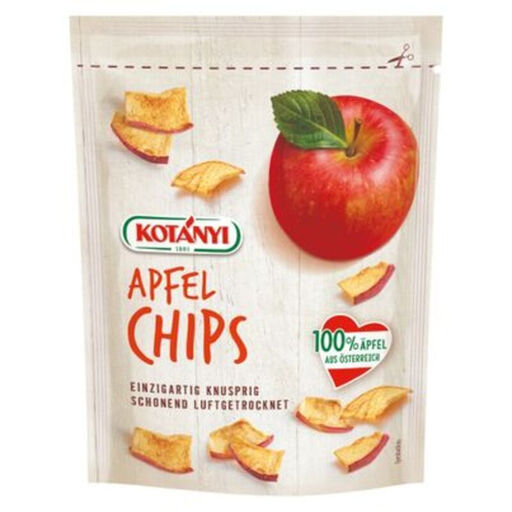 Image unavailable
Kotányi Crispy apple crisps, 40 g
This 40 g pack is an option if you’d prefer apple crisps to soft apple rings. For a calorie comparison, check the figures per 100 g; the pack size alone doesn’t tell you how energy-dense the product is.
View on Joybuy
 Image unavailable
Haoxiangni Grade A No-Wash Jujubes, 500 g
Another type of dried fruit to consider if you’re interested in jujubes. You can portion out a snack in advance from the 500 g pack; the ingredients and nutrition information on the specific pack are what matter when comparing products.
View on Joybuy
Frequently asked questions
Is dried fruit automatically low in calories?
No. The Verbraucherzentrale explains that removing water concentrates sugars and calories per 100 g; this also applies to freeze-dried fruit. For a calorie-conscious snack, compare the nutrition figures on the same basis and decide on your portion separately.
Does ‘no added sugar’ also mean sugar-free?
No. The fruit may still contain naturally occurring sugars. For dried fruit, the ingredients list and the ‘of which sugars’ figure per 100 g tell you different things: whether sugar has been added and how much sugar the finished product contains overall.
How can I tell if dried fruit has been treated with sulphites?
For packaged dried fruit, the labelling on the specific pack is what matters. Lebensmittelklarheit explains that sulphur dioxide or sulphites must be identified when present in quantities that require labelling; the ingredients list may also use names such as E 220 to E 228. If you have an individual sensitivity, check any allergen information and precautionary ‘may contain’ warnings too.
How should I store opened dried fruit over several days of the holidays?
Store the pack tightly sealed and follow its storage instructions. EDEKA recommends keeping dried apricots in a cool, dry place in a sealable, lightproof container; for other products, follow the information on the pack.


