Active campers planning their protein intake
If you’re packing food for hiking, cycling or sporting activities, think of dried fruit as the fruit component and check the protein content of your planned meal separately.


Dried fruit makes a convenient, ready-to-eat snack to pack for camping, but it isn’t automatically a good protein base for active trips. If protein matters to you, compare the nutritional values of a nut and fruit mix or pair plain dried fruit with a separate, checked source of protein. Also check the sugar content, ingredients, allergens and storage advice on the specific pack.
If you’re packing food for hiking, cycling or sporting activities, think of dried fruit as the fruit component and check the protein content of your planned meal separately.
For your rucksack and tent, look for a ready-to-eat snack, a pack size that suits your trip and suitable protection from moisture.
If you need to watch out for added sugar, sulphites or allergens, read the details for each variety. Plain dried fruit and nut and fruit mixes can have very different ingredients.
A good choice if: You’re looking for a ready-to-eat fruit snack and plan to get your protein elsewhere.
Keep in mind: Removing the water concentrates the sugar and energy per 100 g, as explained by the Federal Centre for Nutrition.
A good choice if: You want to combine fruit and nuts in one snack and compare the stated protein content.
Keep in mind: Nuts are a significant allergen. A mix isn’t necessarily “high in protein” just because of its name.
A good choice if: You’re looking for a lightweight, crunchy fruit component.
Keep in mind: Here too, removing the water concentrates the sugar and energy per 100 g, according to the consumer advice centre.
When choosing dried fruit for a camping snack, start by deciding what matters most to you. Then compare the details on the specific pack to find the right option.
| What matters | What to check | Who should consider it? |
|---|---|---|
| Planning your protein intake | Compare protein per 100 g and per planned portion; if the product is labelled “high in protein”, also check the proportion of its energy value that comes from protein. | If I’m planning provisions for active days out, I don’t want to assume a snack is high in protein based on its name. This is a priority for around 36% of consumers. |
| A snack for on the go | Check the pack weight, portion size and whether it’s ready to eat. | When I’m out on a trip with no way to prepare food, I want a fruit snack close to hand. This need comes first for around 29% of consumers. |
| Ingredients and allergens | Check the ingredients list, sugar per 100 g and any warnings about sulphites, nuts and possible traces. | If certain ingredients matter to me, I don’t want to rely on the description “dried fruit”. Around 21% of consumers consider this their top priority. |
| Storage and packaging | Check the storage advice and choose a pack size that suits your trip. | If a bag will be in my luggage for several days, I want to know how to keep its contents dry after opening. This is the main concern for around 14% of consumers. |
Protein content depends on the specific product. ALDI SÜD lists 2.2 g of protein per 100 g for its exotic dried mango; this figure doesn’t apply to other varieties or mixes.
Compare the protein content per planned portion. Under EU Regulation (EC) No 1924/2006, a product can be described as “high in protein” only if at least 20% of its energy value comes from protein.
Dried fruit contains naturally occurring sugar, even without added sugar. The Federal Centre for Nutrition points out that removing water concentrates the fruit sugar per 100 g.
Check the sugar figure in the nutritional information and compare it with the portion you actually plan to take with you.
According to REWE, REWE Bio trail mix includes almonds, walnuts, cashews and hazelnuts among its ingredients. The exact mix matters if you need to avoid any of these ingredients.
Check the ingredients list, highlighted allergens and any warnings about possible traces on the specific pack.
The range includes dried fruit and nut and fruit mixes. The key question is whether you want plain fruit or a mix for your provisions.
The range lets you consider dried fruit and mixes containing nuts as different types of product.
You can compare dried fruit here by fruit type, ingredients and storage advice.
Lidl’s brand includes nuts and dried fruit, which you can consider as separate components or as a mix for your provisions.
ALDI SÜD’s own brand offers packaged dried fruit, so you can compare individual varieties.
These products include nut and fruit mixes, freeze-dried jujubes with sesame and dried mango for a fruit snack. If you’re planning protein-focused provisions, check their nutritional information alongside the rest of your food.
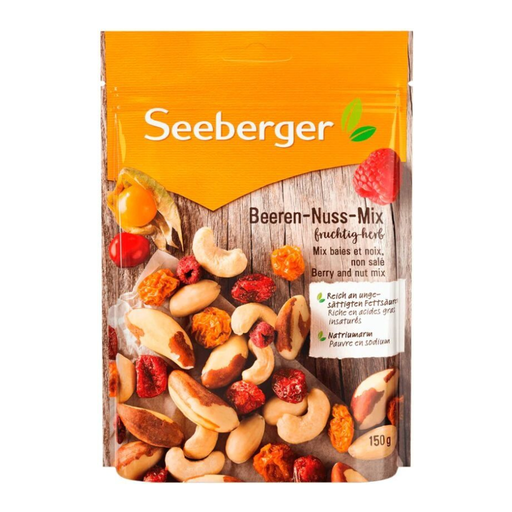 No image available
A berry and nut mix for breaks when you want to take fruit and nuts with you in one pack.
Bear in mind that it contains nuts and some of the berries are coated in sugar. Don’t assume it’s a protein source based on the name alone.
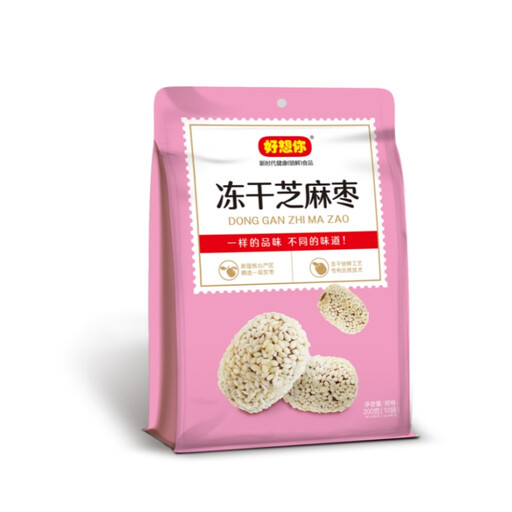 No image available
Freeze-dried jujubes with sesame are a fruit option if you’re after a crunchy texture for your trip.
Bear in mind that they contain sesame and added white sugar. The product description says that small fragments of stone may occasionally be present.
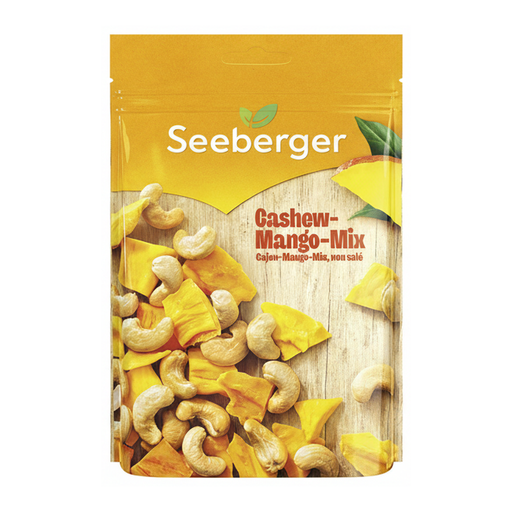 No image available
This mango and cashew mix is a good option if you want to take dried fruit and nuts in one bag.
Bear in mind that it contains cashews and sulphites, and may contain traces of other nuts. Keep the mix away from heat and moisture, and seal it tightly after opening.
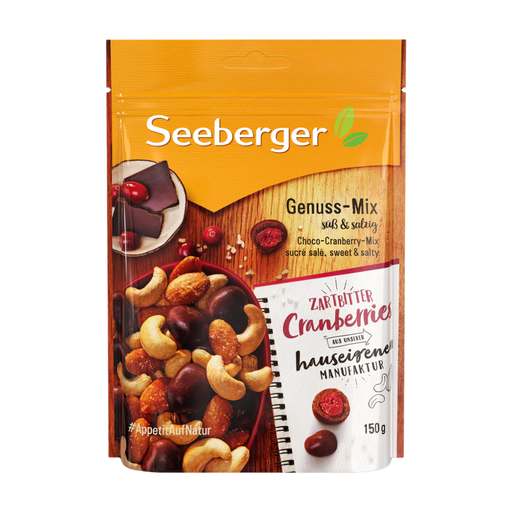 No image available
This nut and fruit mix is worth considering if you’d like a chocolate element alongside the fruit.
Bear in mind that it contains soya, almonds and peanuts, and may contain traces of other nuts. The mix also contains honey.
 No image available
These dried mango strips make a handy fruit snack for breaks if you’re getting your protein from other parts of your provisions.
Check the sulphite warning and compare the sugar and protein figures with the nutritional information on the pack.
Not necessarily: you need to check the protein content of the specific product. Under EU Regulation (EC) No 1924/2006, a food can only be described as “high in protein” if at least 20% of its energy value comes from protein. You can’t tell this from the name alone, even with nut and fruit mixes.
No. Dried fruit can contain naturally occurring sugar, even without added sugar. Removing the water concentrates it per 100 g, as explained by the Federal Centre for Nutrition. So check the sugar figure in the nutritional information.
Follow the storage advice on the specific pack and protect the contents from moisture after opening. For dried plums, for example, EDEKA recommends a cool, dry place and sealable, lightproof containers.
Check the ingredients list and allergen information on every pack. The EU Food Information Regulation lists sulphur dioxide and sulphites as substances that must be declared at concentrations above 10 mg/kg or 10 mg/l. With nut and fruit mixes, it’s also important to check the nuts listed and any warnings about possible traces.
Not simply because of the way they’re made. Freeze-dried fruit may appeal if you’re looking for a crunchy fruit component, but you should still check the protein content of the specific product. The consumer advice centre also points out that removing the water concentrates the sugar and energy per 100 g.