Dried fruit makes a handy camping snack, but it isn’t necessarily low in calories: the drying process concentrates sugar and energy, so it contains more of both per 100 g. Compare the nutritional information and plan your portion accordingly. You should also check the ingredients and, if relevant to you, the labelling for sulphur dioxide and sulphites.
Who should consider these selection criteria?
Campers planning their portions
If you’d rather not eat dried fruit straight from the pack, compare the calories per 100 g with the amount you plan to snack on. The North Rhine-Westphalia Consumer Advice Centre points out that drying concentrates the sugar content by weight.
People who choose ingredients carefully
If you prefer fruit on its own or want to avoid added ingredients, check the ingredients list. A fruit name on the front of the pack doesn’t tell you whether ingredients such as sugar or oil have been added.
Campers with specific storage or ingredient requirements
If you’re away for several days, it’s important to store the product in a dry place after opening. If you need to avoid sulphur dioxide or sulphites, check the labelling on the specific pack too. The German Federal Institute for Risk Assessment notes that these substances may cause reactions in sensitive people.
What should you look for when buying?
Start by checking the calories and the portion you have in mind, then read the ingredients list. If you’re camping for several days, pack size, storage and, where relevant, sulphites are also worth considering.
| Criteria |
What to check before buying |
Who is it relevant to? |
| Calories and portion size |
Compare the kcal per 100 g and work out the figure for your planned portion. |
If I want to plan just a small snack, I need a way to gauge how much I’ll actually eat. For around 36 % of consumers, planning portions is the main priority. |
| Ingredients |
Check the ingredients list for sugar, syrup and oil; also compare the sugar content per 100 g. |
What matters most to me is whether I’m packing fruit on its own or a mix with other ingredients. Around 29 % of consumers say this is their top priority. |
| Storage and sulphites |
Check the storage instructions and, if needed, the ingredients and allergen labelling. |
When I’m camping for several days, I need to be able to keep an opened pack dry; if I’m sensitive to sulphites, I pay particular attention to them. This is the main priority for around 21 % of consumers. |
| Pack size and shopping |
Choose a pack size to suit your trip and check that the variety you want is available before you shop. |
I want to know before setting off whether the variety and pack size suit my travel plans. Around 14 % of consumers put this kind of shopping planning first. |
Which common mistakes can you avoid?
-
Assuming ‘no added sugar’ means ‘sugar-free’
Dried fruit still contains naturally occurring fruit sugars. The North Rhine-Westphalia Consumer Advice Centre explains that, because dried fruit contains little water, its sugar content by weight can be high.
As well as checking the ingredients list, look at the sugar and calorie content per 100 g and take your portion size into account.
-
Assuming sweetened cranberries are just fruit
According to the ingredients information, a GUT&GÜNSTIG cranberry product described by EDEKA contains 60 % cranberries and 39 % sugar. So the fruit name alone doesn’t tell you everything about what’s in it.
If you want to keep additional ingredients to a minimum, compare the ingredients lists. Alternatively, you can plan to use sweetened fruit as a measured ingredient.
-
Judging sulphite content by the colour of the fruit
Colour is no substitute for checking the ingredients or allergen labelling. The German Federal Institute for Risk Assessment notes that sulphur dioxide and sulphites may cause reactions in some people.
If you’re sensitive to these substances, check each specific pack and choose one with labelling that suits your needs.
-
Taking an opened large pack without protecting it
For dried plums, EDEKA recommends storing them in a cool, dry place and notes that heat shortens their shelf life.
Plan to store opened dried fruit somewhere dry in a tightly sealed container, and follow the instructions on your pack.
Brands to consider
Seeberger
Seeberger offers a range of dried fruit, including unsulphured varieties.
- Choose from a range of fruit types and processing methods.
- You’ll need to compare the ingredients and nutritional information on each pack.
REWE / REWE Bio / REWE Beste Wahl
REWE offers dried fruit under several own-label ranges, as well as branded products.
- The range lets you compare different fruit types and pack sizes.
- Check the ingredients, nutritional information and specific variety on the product itself.
EDEKA Herzstücke
EDEKA lists freeze-dried strawberries as the only ingredient in its EDEKA Herzstücke freeze-dried strawberry slices.
- According to the ingredients list, this particular product contains just one fruit ingredient.
- A short ingredients list alone doesn’t tell you whether a dried fruit product is low in calories.
GUT&GÜNSTIG
The EDEKA brand also offers dried fruit products with different recipes.
- In the cranberry product described by EDEKA, the ingredients list clearly shows that sugar has been added.
- According to EDEKA, this product contains 60 % cranberries and 39 % sugar, so it isn’t a fruit-only option.
Alesto
Lidl’s Alesto range includes dried fruit and snack products.
- For example, Lidl describes its mango strips as having no added sugar.
- Even with this claim, naturally occurring fruit sugars and the nutritional information on the specific pack are still relevant.
TRADER JOE'S
ALDI Nord sells nuts and dried fruit under the TRADER JOE'S brand.
- The different products give you the opportunity to compare fruit ingredients and pack sizes.
- For mixes and individual dried fruit products, check the ingredients and allergen information separately.
Dried fruit at Joybuy
This selection includes dried apple rings, mango strips and red dates as dried fruit snacks for camping. Pack sizes and portioning options vary; none of the products shown should be considered low in calories simply because of the type of fruit.
 No image available
Seeberger dried apple rings, 80 g
The 80 g pack could be a good option if you want to portion out a snack before heading out.
If you’re sensitive to sulphites, check the labelling on the specific pack. If you’re away for several days, make sure you can store the apple rings somewhere dry after opening.
View at Joybuy
 No image available
Haoxiangni red dates, 900 g (30 × 30 g)
The individual 30 g packs are handy for setting aside a planned snack portion for several outings or days of camping.
The multipack contains 900 g in total. Watch out for the date stones when eating; portioning alone doesn’t make this a low-calorie snack.
View at Joybuy
 No image available
Seeberger soft dried mango strips, 100 g
The 100 g pack is suitable for dividing into snack portions of your choice.
This isn’t a suitable option if you’re sensitive to sulphites: the product description lists sodium metabisulphite. Store any leftovers in a tightly sealed container after opening.
View at Joybuy
 No image available
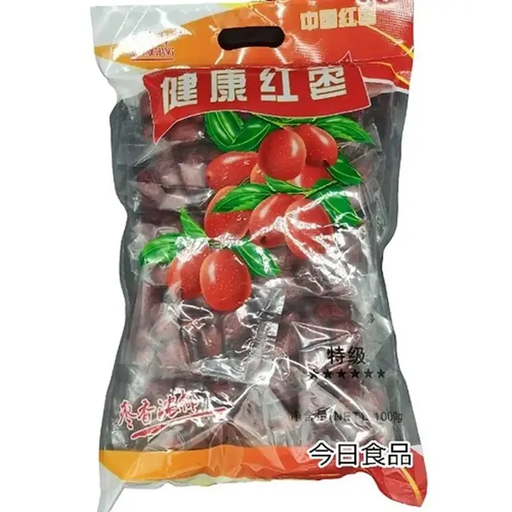
Healthy Red Dates Medium Grain, 1 kg
The 1 kg pack could be a good option if you want to portion out the amount of dates you need before your trip.
Plan to store the opened pack somewhere dry, and check that it can be sealed securely for use over several days.
View at Joybuy
Frequently asked questions
Is dried fruit a low-calorie camping snack?
Not necessarily: drying concentrates the sugar and energy per 100 g. The North Rhine-Westphalia Consumer Advice Centre says dried fruit often contains between 50 and 70 % sugar. So compare the nutritional information for the specific variety and consider your planned portion.
Does ‘no added sugar’ also mean ‘sugar-free’?
No. Dried fruit can contain naturally occurring fruit sugars even when no sugar has been added. When choosing a product, check both the ingredients list and the sugar and calorie content per 100 g.
What should I look out for if I’m sensitive to sulphites?
Check the ingredients and allergen labelling on each specific pack for sulphur dioxide and sulphites. The German Federal Institute for Risk Assessment notes that these substances may cause reactions in some people; the colour of the fruit is no substitute for checking the labelling.
How should I store opened dried fruit when camping?
Keep it tightly sealed and dry, and follow the instructions on the pack. EDEKA recommends storing dried plums in a cool, dry place and notes that heat shortens their shelf life.


