What should you look for when buying?
First, ask the parents which ingredients or allergens need to be avoided. Then check each specific pack. Sugar content and portion size are also worth considering, but they don’t replace checking for allergens.
| Consideration | What to check when buying | Who it matters to |
|---|
| Specific allergens |
Compare the current ingredients and allergen information with the triggers you’ve been told about; don’t treat the absence of a ‘may contain’ warning as approval. |
If a child needs to avoid a particular allergen, I want to serve only snacks whose labelling and handling meet the arrangements agreed with the parents. This is a priority for around 50% of consumers. |
| Sulphur dioxide and sulphites |
Look for ‘unsulphured’ and check the ingredients and allergen information for details of sulphur dioxide and sulphites. |
If sulphur dioxide needs to be avoided, I need an explicitly unsulphured option, without assuming that it’s free from other allergens. This is a priority for around 30% of consumers. |
| Sugar and serving |
Compare sugar per 100 g; consider portion sizes, as well as possible stones and piece size, before serving. |
For the snack table, I want to offer dried fruit in manageable portions and check how the children can eat it. This is the main consideration for around 20% of consumers. |
Dried fruit at Joybuy
This selection includes individual varieties of raisins and dried jujubes for the snack table. That doesn’t mean any of them are automatically suitable for a child with a food allergy. Before buying, check the current packaging against the specific requirements, and check for stones and piece size before serving.
 No image available
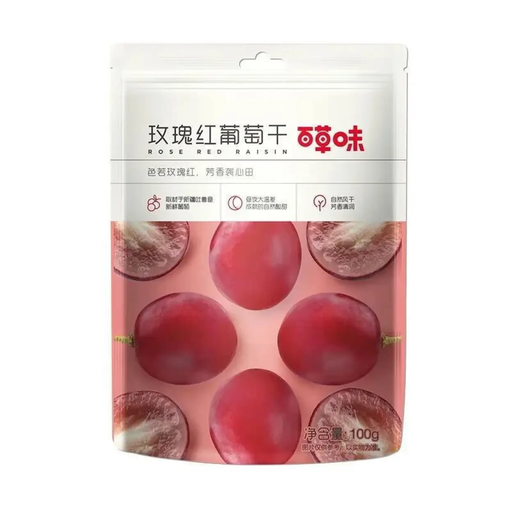
Be&Cheery Rose red raisins, 100 g
An option if you’re looking for raisins for the snack table. The pack contains 100 g; check its ingredients and allergen information against what the parents have told you.
View at Joybuy
 No image available
Haoxiangni Grade A No-Wash Jujubes, 500 g
An option if you’d like to portion jujubes from a 500 g pack. Before serving, check whether they contain stones and how best to serve them, as well as checking the current allergen information.
View at Joybuy
 No image available
Changsi Dried Red Dates, 500 g
Another dried fruit option in a 500 g pack if you’re planning to serve several guests. Check the packaging against the reported allergens and look for stones before serving.
View at Joybuy
 No image available
Haoxiangni Grade 2 Fresh-Locked Pitted Red Dates Original Flavour, 280 g
An option if you’re looking for a 280 g pack of dried fruit described as pitted. Check the current packaging for allergens relevant to your guests, and inspect the pieces before serving.
View at Joybuy
Frequently asked questions
Do allergens have to be listed on packaged dried fruit?
Yes. Allergens that must be declared need to be listed and highlighted in the ingredients on packaged foods. The Federal Ministry of Agriculture, Food and Regional Identity lists 14 substances or products for this purpose, including sulphur dioxide and sulphites. Even so, check the specific pack against the triggers identified for the child.
Is the absence of a ‘may contain’ warning enough for a severe allergy?
No. The absence of a ‘may contain’ warning doesn’t guarantee that a product is suitable for a child with a severe food allergy. The Allergy Information Service notes that allergens can be present through accidental contamination even without such a warning. Discuss the choice of product and any precautions with the parents in advance.
What does ‘unsulphured’ mean on dried fruit?
‘Unsulphured’ means that no sulphur dioxide has been added. It doesn’t tell you whether other allergens relevant to a child, or possible cross-contamination, are an issue. So check the rest of the information on the pack too.
How can you serve dried fruit at a children’s birthday party?
Serve it in manageable portions and make the packaging information available to supervising adults. First, check for the reported allergens, possible stones and a piece size that’s suitable for the children. The nutritional information per 100 g can help you compare the sugar content of different products.


