For a children's party, fat content alone isn't enough to help you choose dried fruit: product nutrition information shows that even low-fat options can contain a lot of sugar. So check the ingredients and sugar per 100 g, as well as any information about sulphur dioxide and allergens. If toddlers will be eating too, the shape of the pieces matters as well.
Who needs to take care when choosing
Hosts keeping an eye on ingredients and sugar
If you want to avoid added sweeteners, check the nutrition information for “of which sugars” per 100 g as well as the ingredients list. The Verbraucherzentrale points out that dried fruit still contains sugar from the fruit, even when no sugar has been added.
Hosts with toddlers among their guests
Alongside the type of fruit, the way you serve it matters. Small or hard pieces may not be suitable for toddlers, so check whether you need to chop, grate or purée the fruit to make it age-appropriate.
Hosts who need to consider sulphites and allergens
If anyone has a known sensitivity, check the information on the specific pack. Pay particular attention to sulphur dioxide or sulphites, and to any warnings about tree nuts or peanuts.
What to look for when buying
First, decide what age group the fruit is for. Then compare the ingredients list and nutrition information per 100 g: fat content alone won't tell you about sugar or allergens.
| What to check | How to check it | Who it's important to |
|---|
| Ingredients and sugar |
Read the ingredients list alongside the “of which sugars” figure per 100 g. |
I want to know what else is in the pack besides the fruit, and not to confuse the sugar content with the claim “no added sugar”. Around 42% of consumers make this a priority when buying. |
| Piece size and age |
Check the size and firmness of the pieces, and make sure they’re served in an age-appropriate way. |
If toddlers will be eating too, I need to serve the fruit in a way that means small or hard pieces aren’t left as they are on the snack table. Around 33% of consumers put choosing a suitable shape first. |
| Fat content |
Compare fat per 100 g; if the pack says “reduced fat”, check what the product is being compared with. |
I’m looking for a snack with a fat content that suits me, without assuming anything about its sugar or ingredients. This is the priority for around 25% of consumers. |
Common mistakes when choosing
-
Confusing “no added sugar” with “sugar-free”
The fruit still contains its natural sugar, which is more concentrated per 100 g once the water has been removed. For example, REWE lists 57.8 g of sugar per 100 g for its freeze-dried strawberries.
Compare the ingredients list with the “of which sugars” figure per 100 g.
-
Choosing based only on “reduced fat”
Fat content tells you nothing about sugar or allergens. According to EDEKA, its dried mixed fruit contains 0.3 g of fat and 46 g of sugar per 100 g.
Check fat and sugar separately. If a pack says “reduced fat”, check what the product is being compared with.
-
Serving small or hard pieces to all children in the same way
Small or hard foods can pose a choking risk for toddlers. So if children of different ages are attending, take extra care when serving.
Check the ages of your guests and, if necessary, prepare a suitable chopped, grated or puréed option for toddlers.
-
Assuming you know the allergen information from the type of fruit
The fruit itself doesn’t tell you what other ingredients or traces are listed on the pack. EDEKA lists sulphur dioxide in its mixed fruit, while REWE warns that its freeze-dried strawberries may contain traces of tree nuts and peanuts.
If relevant, check the ingredients and allergen information on the pack you’re actually serving.
Brands to consider
Ingredients and nutritional values can vary between products from the same brand. The range examples below are a useful guide, but you should still check each individual pack.
Seeberger
The range includes various dried fruits, including mango, apricots and freeze-dried berries.
- Seeberger distinguishes between unsweetened, sweetened and unsulphured options for some products.
- These characteristics don’t apply to the whole range, so check the individual pack.
REWE Beste Wahl
The range includes freeze-dried strawberry slices.
- For this product, REWE lists information including fat and sugar per 100 g.
- REWE warns that the strawberries may contain traces of tree nuts and peanuts.
EDEKA Herzstücke
One example is dried, pitted mixed fruit made from five types of fruit.
- EDEKA lists the ingredients and nutrition information per 100 g for its mixed fruit.
- The product contains sulphur dioxide. Its fat and sugar figures shouldn’t be assumed to apply to other mixes.
Alesto
Lidl’s brand includes dried fruit, as well as nuts and other snacks.
- Lidl lists products including mango strips in its range.
- For ingredients, allergens and fat content, check the specific product rather than relying on the brand name.
Farmer's Snack
REWE stocks products under this brand including dates and freeze-dried fruit mixes.
- These different product types offer a choice of shapes for party planning.
- Check the ingredients and nutrition information for the specific variety.
Dried fruit at Joybuy
This selection includes apple rings, raisins, jujubes and mango strips. For a children's party, compare the information on the packs and check that the pieces are suitable for the ages of your guests before serving.
 Image unavailable
Seeberger dried apple rings, 80 g
Apple rings are worth considering if you want to serve just one type of dried fruit. Check the pack for sugar and fat per 100 g, as well as information about sulphur dioxide or sulphites. If necessary, adapt the pieces to suit the children’s ages.
View at Joybuy
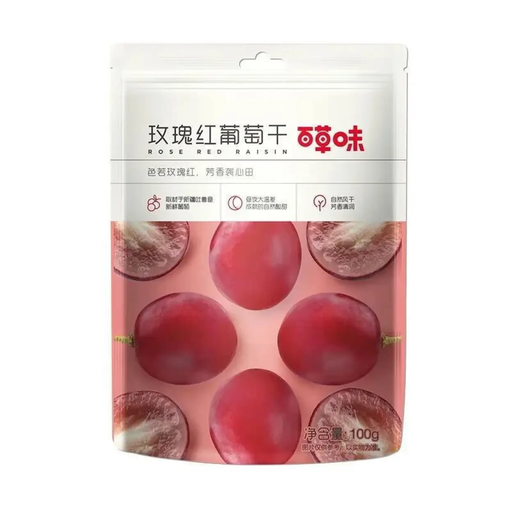 Image unavailable
Be&Cheery Rose red raisins, 100 g
These raisins are one option if you’re comparing small dried fruits for the snack table. Read the ingredients and nutrition information on the specific pack. For toddlers, take particular care to check the size and shape of the pieces before serving.
View at Joybuy
 Image unavailable
Haoxiangni Grade A No-Wash Jujubes, 500 g
Jujubes are worth considering when comparing different types of dried fruit. Check the ingredients and sugar per 100 g, and make sure the size and shape of the fruit are suitable for the children attending.
View at Joybuy
 Image unavailable
Seeberger Soft Dried Mango Slices, 100 g
Dried mango strips are another fruit to add to the snack table. Compare sugar and fat per 100 g, check for sulphites if relevant, and consider whether the strips need to be prepared differently for younger guests.
View at Joybuy
 Image unavailable
Haoxiangni Grade 2 Fresh-Locked Pitted Red Dates Original Flavour, 280 g
These pitted jujubes are an option if you’re looking for an alternative to apple or mango pieces. Compare the nutrition information on the pack and, despite the “pitted” claim, check the size and shape of the pieces before serving them to toddlers.
View at Joybuy
Frequently asked questions
Is dried fruit with no added sugar sugar-free?
No. Dried fruit still contains sugar from the fruit, even when no sugar has been added. So compare the “of which sugars” figure per 100 g rather than relying on the claim on the front of the pack.
Is a low fat content enough when choosing dried fruit for a children's party?
No. According to EDEKA, its dried mixed fruit contains 0.3 g of fat but 46 g of sugar per 100 g, as well as sulphur dioxide. As well as fat, check sugar, ingredients and any information that matters to your guests.
What should I look out for when serving dried fruit to toddlers?
The shape of the fruit matters too: small or hard foods can pose a choking risk. Check the size and texture of the individual pieces and, if necessary, chop, grate or purée them for toddlers.
How can I tell whether dried fruit contains sulphur dioxide?
Check the ingredients and allergen information on the specific pack for sulphur dioxide or sulphites. This is particularly important if a guest needs to avoid these substances; the brand or type of fruit alone won’t tell you.


