People keeping an eye on fat
You want to compare dried fruit with other snacks, using the stated fat content per 100 g as your guide. The information for the specific pack is more useful than a general product description.


When choosing dried fruit as a snack for the Christmas market, compare the fat content of the specific products per 100 g rather than relying on a label such as ‘reduced fat’. Also check the sugar information, ingredients and any allergens: a low fat value doesn’t answer these questions.
You want to compare dried fruit with other snacks, using the stated fat content per 100 g as your guide. The information for the specific pack is more useful than a general product description.
You want to spot added oil or sugar and may need to check for sulphur dioxide or sulphites. For loose produce at a market, ask for information about the ingredients and allergens before buying.
You’re choosing between soft and crunchy dried fruit, and checking whether the pack size and storage instructions suit a snack on the go or stocking up for later.
When comparing packaged dried fruit, start by checking the nutrition information per 100 g. The ingredients list, allergen information and pack size can then help you decide what to take to the market.
| Criterion | What to check when buying | Who it matters most to |
|---|---|---|
| Fat content | Compare the fat information on each pack using the same measure: per 100 g. Don’t take ‘reduced fat’ to mean a particular fat value. | If fat is my first consideration when choosing a snack, I want to be able to compare different fruits directly. Around 45% of consumers put this comparison first. |
| Ingredients and allergens | Check ‘of which sugars’, the ingredients list and allergen information. For loose produce, ask what information is available about sulphur dioxide and sulphites. | When buying a fruit mix, I want to know what else it contains; if I’m sensitive to sulphites, I need to know the allergen information. For around 33% of consumers, these checks come first. |
| Texture and quantity | Choose between classic and freeze-dried fruit, and check the pack size and storage instructions for an opened pack. | For a trip to the market, I want to take a suitable amount with me; if I’m shopping for later, texture and storage matter too. These needs come first for around 22% of consumers. |
A low fat content tells you nothing about the sugar information or the right portion size. Removing the water concentrates the sugar in dried fruit.
Compare fat and ‘of which sugars’ per 100 g, then decide how much you want to take with you.
Even with no added sugar, dried fruit still contains its natural sugars. EDEKA states that dried fruit has a sugar content of 50 to 70%; when choosing, check the nutrition information for the specific product.
Distinguish the ingredients information from the ‘of which sugars’ value in the nutrition table.
Information about sulphur dioxide or sulphites may not be displayed beside loose dried fruit. VerbraucherService Bayern also explains that this information may be provided on signs, in lists or by asking staff in person.
Look for a notice and ask for the allergen information before buying if you need it.
The brands and supermarket ranges mentioned offer different types of dried fruit. For a useful comparison, always check the information for the individual product.
The range includes classic dried fruit, unsulphured apricots and freeze-dried fruit.
EDEKA sells classic dried fruit and mixes, with ingredients that vary from product to product.
These two ranges include dried apricots and prunes.
Lidl describes Alesto as a brand for nuts and dried fruit.
The REWE range includes classic and freeze-dried fruit, as well as products from various brands.
This selection includes packaged dried fruit for a snack on the go. In particular, compare fat and sugar per 100 g, as well as the ingredients and allergen information for each pack.
 No image available
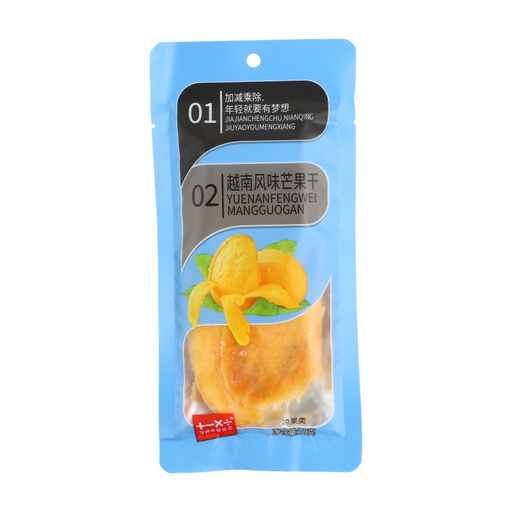
The 70 g pack is a good option if you want a small amount of dried mango to take with you. Before buying, check the fat and sugar per 100 g, along with the ingredients and allergen information.
 No image available
The 280 g pack of pitted jujubes is a good choice if you’re looking for more than a small amount for a trip to the market. Compare fat and sugar per 100 g, and check the storage instructions for after opening.
 No image available
The 100 g pack is an option if you prefer soft dried mango slices. Along with the nutrition information, read the ingredients list and check the sulphite labelling if needed.
 No image available
The 80 g pack of apple rings is a good option if you prefer a smaller pack. Compare the nutrition information per 100 g and read the allergen information on the pack.
No. The two terms don’t mean the same thing, and ‘reduced fat’ on its own doesn’t specify a particular fat value. So compare the ‘fat’ information per 100 g on the products themselves; a claim about fat doesn’t replace checking sugar and ingredients.
Check the sugar information, ingredients list and allergen information. ‘No added sugar’ doesn’t mean ‘sugar-free’; for fruit mixes, it’s also worth checking for other ingredients such as oil or sulphur dioxide.
Look for ingredients or allergen information at the stall, and ask if it isn’t clearly displayed. VerbraucherService Bayern describes signs, lists available to view and asking staff in person as ways to find out about allergens in loose produce.
Follow the storage instructions on the pack and seal it after opening. For dried plums, EDEKA recommends a cool, dry place and a sealable, lightproof container.