Caterers focusing on fat content
If you’re putting together a snack selection with fat content in mind, compare the nutrition information per 100 g for each specific variety. The name of the fruit alone isn’t enough to make that comparison.


When planning a conference buffet with fat content in mind, the fat content per 100 g of the specific dried fruit is more useful than a general impression that one fruit is ‘lighter’ than another. Check the ingredients and sugar content too. For open snack bowls, you’ll also need allergen information and a texture that suits the break.
If you’re putting together a snack selection with fat content in mind, compare the nutrition information per 100 g for each specific variety. The name of the fruit alone isn’t enough to make that comparison.
If you’re serving dried fruit loose, you’ll need to organise allergen information for guests. The German Nutrition Society points out that guests must also be informed about the 14 major allergens in unpackaged food.
You may want a different texture for bowls, individual portions or toppings. Seeberger describes its soft fruit as having a higher residual moisture content than traditionally dried fruit. Freeze-dried fruit is an option if you’re looking for a crisp texture.
First decide whether fat content, allergen information or serving format will guide your choice. Then compare the information on the specific packs rather than assuming anything about the nutrition based on the type of fruit or its texture.
| Criteria | What to check when shopping | Who it matters most to |
|---|---|---|
| Fat content | Compare the fat content per 100 g for each specific product; consider sugar content separately. | If the amount of fat is my main requirement, I don’t want to compare plain fruit and mixes by name alone. This is the top priority for around 31% of consumers. |
| Ingredients and allergens | Check the ingredients, declared allergens and possible traces on the pack you receive; prepare the information for any open bowls. | At an open buffet, I need to make the relevant allergen information available to guests. This is a priority for around 31% of consumers. |
| Texture and serving | Choose between traditionally dried, soft and freeze-dried fruit to suit your planned serving format; check the storage instructions. | For a short break or a topping, I want to choose a texture that works for the way the food will be served. This is the main consideration for around 23% of consumers. |
| Quantity and sourcing | Match pack sizes to the expected number of guests and check delivery arrangements in good time. | If I’m preparing lots of snack portions, I need a quantity I can plan for. This is the top priority for around 15% of consumers. |
Dried fruit shouldn’t be described as ‘low fat’ or ‘reduced fat’ simply because it comes from fruit. The Federal Ministry of Agriculture, Food and Regional Identity notes that nutrition claims are subject to legal requirements.
Compare the fat content per 100 g when making your selection. If you want to use such a claim on a buffet sign, check first that the specific wording meets the requirements.
The mix of walnuts and sweetened cranberries described by EDEKA24 contains different ingredients and allergens from a plain fruit product. It’s therefore not a like-for-like starting point for a buffet focused on fat content.
Compare mixes separately with plain dried fruit, and record their ingredients and allergens for buffet service.
ALDI SÜD notes that different suppliers may mean different nutrition information for FARMER NATURALS dried prunes.
Before the event, check the packs that have actually been delivered before using their nutrition, ingredient or allergen information for the buffet.
Guests must be given information about the 14 major allergens even when food is served loose, as the German Nutrition Society explains for catering settings.
Clearly match the information for each product used to its open bowl, and decide how guests will access it before serving.
The range includes classic dried fruit and soft fruit, giving you options if texture is an important part of planning your conference buffet.
The product examples listed range from dried apple rings and freeze-dried strawberries to a nut and fruit mix.
FARMER NATURALS dried prunes are a specific example of a classic dried fruit product in a 500 g pack.
This selection includes dried dates, apples, mango and strawberries, as well as a softer mango option. When choosing products for your conference buffet, take the ingredients, nutrition and allergen information on each pack into account.
 Image unavailable
Pitted dates are an option for a fruit bowl. Check the nutrition information and ingredients on the 500 g pack against your requirements. If serving them loose, you’ll need to organise allergen information separately.
 Image unavailable
Apple rings are a good option if you want to serve fruit individually or in a bowl. For the 80 g pack, pay particular attention to the ingredients, sugar content and any allergen information relevant to how you plan to serve them.
 Image unavailable
These soft-dried mango strips are a good choice if you’re looking for a softer texture. Check the ingredients, nutrition and allergen information on the 100 g pack too; texture alone doesn’t tell you anything about fat content.
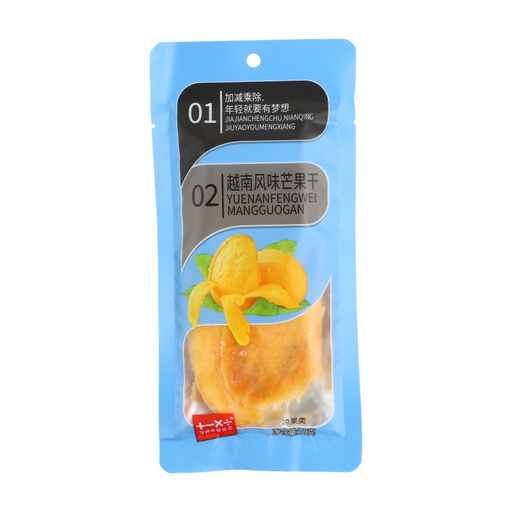 Image unavailable
This 70 g pack of dried mango is an option for smaller snack portions. Before planning your buffet, check the full ingredients list and the fat, sugar and salt content on the pack you receive.
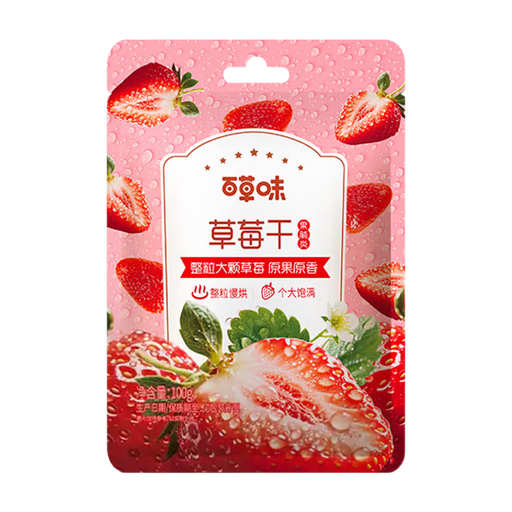 Image unavailable
Dried strawberries are another fruit option for your snack selection. As well as the fat content, check the full ingredients list and any information about allergens and additives on the 100 g pack.
No. Neither the type of fruit nor a seemingly low fat content automatically justifies using either claim. The Federal Ministry of Agriculture, Food and Regional Identity says that nutrition claims are subject to legal requirements. Check that the specific wording meets those requirements before using it for your buffet.
Start by checking the fat content of specific plain fruit products, and compare nut and fruit mixes separately. EDEKA24 lists 0.5 g of fat per 100 g for Alnatura organic apple rings; the Gut & Günstig mix described there also contains walnuts. This doesn’t tell you the fat content of other varieties or mixes.
Yes. The German Nutrition Society explains that information about the 14 major allergens must be available for unpackaged food served in catering settings too. Check the information on every pack you use and clearly match it to each bowl.
Follow the storage instructions on each pack. Dried and freeze-dried products may have different requirements, so check them before the event and have suitable containers ready for serving.