What to look for when buying
First, decide whether you’ll hand out dried fruit to each guest or offer it at a staffed station. Then check the ingredients of your chosen products and work out how many packs you’ll need.
Individually packed portions
A good choice if: guests will receive their own pack and you don’t want anyone portioning out dried fruit at the venue.
Bear in mind: a small bag isn’t automatically the right portion for each guest. With special-buy items, check availability particularly carefully.
Larger bags for the snack station
A good choice if: someone will oversee the station and top it up as needed.
Bear in mind: portioning needs to be part of your event planning. If you’re serving the fruit loose, guests must also be able to access allergen information.
| Requirement |
What to check when buying |
Who it matters most to |
| Serving without portioning |
Weight per pack and number of individually distributable packs. |
If I want to hand each guest a snack, I need countable packs rather than an open bag. For around 36% of consumers, ease of serving is the top priority. |
| Allergen information |
The product’s ingredients and allergen warnings; for loose servings, make the information available at the serving point. |
When guests have different requirements, I want to be able to show clearly what each snack contains. Around 29% of consumers prioritise this level of transparency. |
| Ingredients |
Fruit varieties, added sugar and information about sulphur dioxide or sulphites for each product. |
If guests can choose between several fruits, I want to be able to tell the ingredients apart rather than treating all dried fruit as the same. This is the most important selection criterion for around 21% of consumers. |
| Quantity planning |
Net weight, planned overall quantity and number of packs required. |
For a staffed station, I need to allow for enough stock while choosing pack sizes that suit the way the food will be served. Around 14% of consumers put this kind of quantity planning first. |
Brands to consider
The examples below can help you compare pack formats and ingredients across individual product ranges. A brand name is no substitute for checking the specific product you choose for your conference.
Seeberger
Seeberger offers dried fruit in several pack sizes, as well as a selection specifically labelled as unsulphured.
- The product range includes packs of 100 g, 125 g, 200 g, 300 g and 500 g, among others.
- “Unsulphured” applies to products labelled as such, not the entire range. Check the ingredients list for each product too.
EDEKA Herzstücke
The 250-g dried fruit mix described by EDEKA comes in a resealable bag and could be a good option for a staffed snack station.
- EDEKA describes the mix as a combination of five fruits.
- The product contains potassium sorbate and sulphur dioxide. EDEKA says it may not be available in every store.
FARMER NATURALS
ALDI SÜD’s FARMER NATURALS range includes, among other products, a 100-g pack of pineapple and 500-g prunes.
- ALDI SÜD describes the pineapple as a resealable 100-g bag.
- Features of the pineapple pack don’t necessarily apply to the prunes or other products in the range.
Alesto
Lidl’s Alesto range includes nuts, dried fruit and other snacks that you can compare separately for a conference station.
- Lidl describes specific mango strips as having no added sugar.
- For fruit and nut mixes, check the ingredients and allergen warnings for the specific product.
REWE
REWE’s dried fruit range lets you compare different fruits and pack formats.
- The range gives you options for comparing product labels and net weights.
- Check whether your chosen product will be available at your location and for your event date.
Dried fruit at Joybuy
These packs could work for individually packed snacks. Only the Haoxiangni dates are listed as 30 individual 30-g packs; for the other products, consider whether the 50-g or 100-g pack is right for the way you plan to serve them. Also check the ingredient information and handling instructions when choosing.
 No image available
Haoxiangni Ready-to-Eat Red Dates, 30 × 30 g
For handing out countable individual packs: this pack contains 30 bags of 30 g each, 900 g in total. The dates contain stones, so bear this in mind when providing information to guests.
View at Joybuy
 No image available
Seeberger Soft Dried Mango Slices, 100 g
The 100-g bag could work if you’d like to offer an individually packed mango option; check how it fits into your serving plan. The product contains sodium metabisulphite, which you’ll need to take into account when sharing information with guests.
View at Joybuy
 No image available
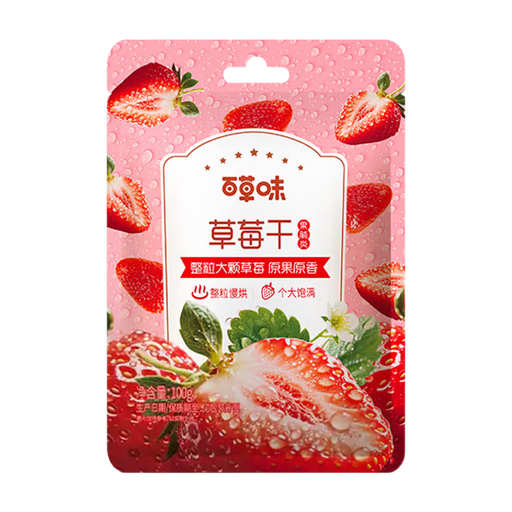
Be&Cheery Dried Strawberry, 100 g
The 100-g pack offers an individually packed strawberry option; plan your servings around this pack size. The product contains added sugar and sulphites, so make sure guests can access the ingredients information.
View at Joybuy
 No image available
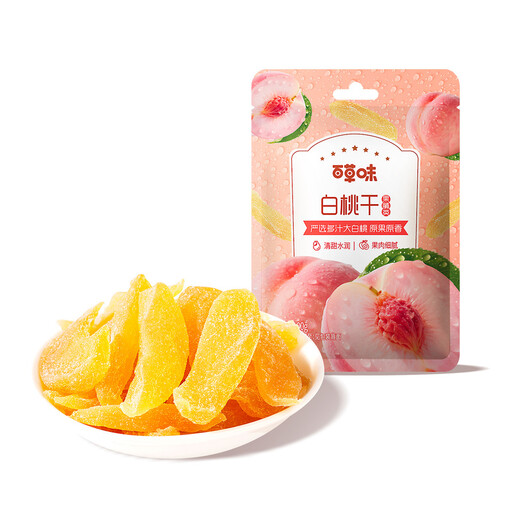
Be&Cheery Dried White Peach, 100 g
The 100-g bag could be included as an individually packed peach option if this quantity suits your serving plan. It contains added sugar and potassium sorbate; compare the ingredients with the requirements for your snack selection.
View at Joybuy
 No image available
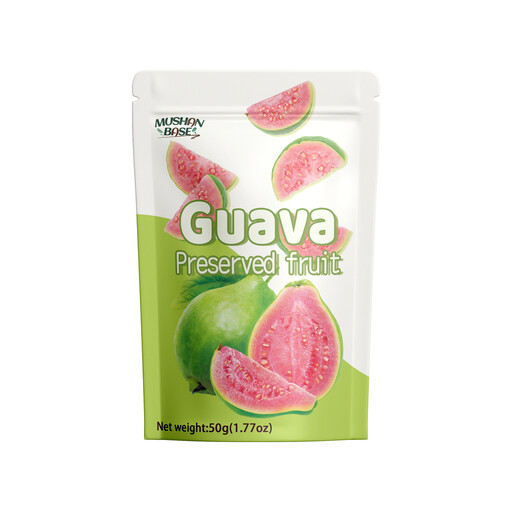
MUSHAN BASE Red Heart Guava Dried Fruit, 50 g
The 50-g pack is a smaller individually packed option, so check that the quantity fits your serving plan. It contains sugar and sulphites; once opened, the contents should be eaten straight away.
View at Joybuy
Frequently asked questions
Do I need to provide allergen information for dried fruit served loose?
Yes. As the Federal Ministry of Agriculture, Food and Home Affairs explains, guests must also be informed about allergens in unpackaged food. If you transfer dried fruit from bags into bowls, make the information for each product available at the serving point and clearly match it to the relevant bowl.
Is unsulphured dried fruit always the better choice?
Not necessarily. “Unsulphured” describes a specific product feature and doesn’t answer every question about ingredients or pack size. Seeberger describes its products labelled as such as containing no added sulphur dioxide; even so, check the label of every product before offering it to guests.
How should I plan quantities for small packs and large bags?
First, decide whether each person will receive their own pack or whether the dried fruit will be served from a station. Then compare your planned overall quantity with the net weight of each pack. For individual packs, you’ll also need to work out how many packs you need to hand out.
Do “vegan” or “no added sugar” apply to all dried fruit from a brand?
No, these claims must apply to the specific product. ALDI SÜD describes a particular pack of pineapple as vegan, while Lidl describes certain mango strips as having no added sugar. You can’t assume that these features apply to other fruits, mixes or pack sizes.


