Regular cyclists who portion their own snacks
If you’re shopping for several rides, you can divide a bulk bag into individual portions for each trip. Check that the bag can be sealed securely after opening, and store the rest in a dry place.


For frequent rides or when you’re buying for several people, a bulk bag can be a good choice if you measure out the amounts you need in advance and store the rest in a tightly sealed bag. For occasional rides, small packs or individually wrapped portions are easier to carry. It’s also important to consider whether you tolerate the fruit well during exercise. Plan separately for drinks and any other food you’ll need.
If you’re shopping for several rides, you can divide a bulk bag into individual portions for each trip. Check that the bag can be sealed securely after opening, and store the rest in a dry place.
If you’re planning food for longer rides, the carbohydrates in the portion you intend to eat, and how well you know the food agrees with you, matter more than pack size alone. Sports Dietitians Australia recommends trying out snacks and meal timings during training.
For a short ride, your commute or a lunchbox, a small amount is easier to carry than a large, opened bag. A small pack or a portion measured out at home means you won’t have to open your whole supply while you’re out.
First decide how often you’ll be portioning the fruit and how many people it’s for. Then compare the nutritional information and ingredients of the specific products with what you plan to take and eat on your rides.
| Priority | What to look for | Who will find this most useful? |
|---|---|---|
| Planning food for a ride | Compare the carbohydrates per 100 g with the portion you plan to eat; try new fruit during training first. | For longer rides, I want to know how much to pack and whether it will agree with me while I’m out. Around 36% of consumers put this kind of planning first. |
| Easy-to-carry portions | Look for individual packs or a bag you can use to portion out snacks before your ride. | For short rides or my commute, I want a small amount within easy reach, without having to carry a large bag. Around 29% of consumers prioritise convenience when taking snacks with them. |
| Ingredients and how well it agrees with you | Check the ingredients list, allergen information and sugar per 100 g for the specific product. | If I’m buying a mix or a new product, I want to know what’s in it before my ride. This is the main priority for around 21% of consumers. |
| Buying in bulk and sharing | Choose a pack size to suit how you plan to use it, and follow the storage instructions for opened bags. | For several rides, a group or lunchboxes, I want to prepare portions from a shared supply without keeping leftovers open for a long time. Around 14% of consumers give this the highest priority. |
Dried fruit naturally contains sugar. The Verbraucherzentrale points out that terms such as ‘naturally sweet’ don’t tell you how much sugar a product actually contains.
Compare the sugar and carbohydrate values per 100 g, then calculate them for the amount you want to take with you.
After opening, a bulk pack needs to suit both your storage options and how quickly you’ll use it. The instructions on a pack of freeze-dried fruit listed by REWE recommend sealing the bag securely and storing it in a dry place away from light.
Before your ride, measure out only the amount you need and follow the storage instructions on the pack for the rest.
Portioning requires extra containers or bags, as well as a little preparation before your ride.
A mix may contain other ingredients too. The European Food Safety Authority lists dried fruit among the foods that may contain sulphites used as preservatives or antioxidants.
If you have allergies or known intolerances, read the ingredients and allergen information on the specific pack instead of assuming what’s in it from the picture or brand name.
Whether a particular fruit, mix and portion size agrees with you during exercise is a personal matter. Sports Dietitians Australia recommends trying snacks and working out when to eat them during training.
Try a new product on a training ride first, before packing it for a longer or important ride.
Seeberger sells dried fruit and fruit mixes, including bags containing 125 g and 200 g.
REWE lists dried fruit in a range of varieties and pack sizes, as well as freeze-dried products.
EDEKA sells soft dates and other date-based products, among other things.
Alesto is a Lidl brand selling nuts, dried fruit and snacks.
ALDI SÜD has listed dried fruit in 200 g packs under this product range, including dates.
These products offer different formats for bike rides: individually wrapped date products, plus bags of dates, fruit mix or sultanas that you can portion yourself. Above all, compare the portion format, ingredients and nutritional information for the specific product.
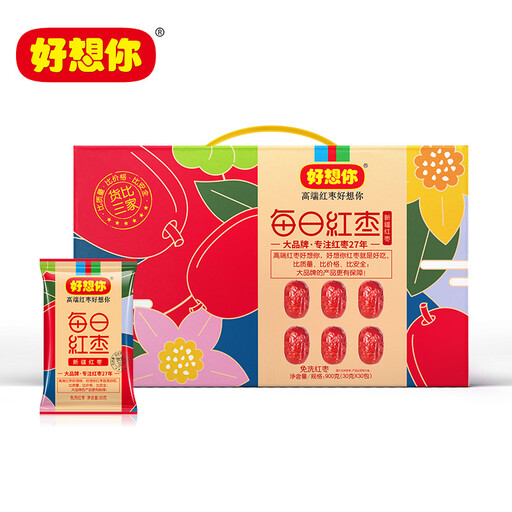 No image available
The 30 individually wrapped portions can be split across several rides. The dates contain stones, so bear this in mind when eating them on the go. Check the nutritional information for the amount you plan to eat.
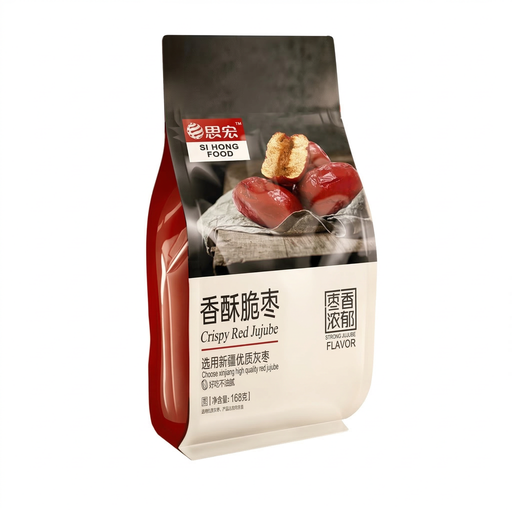 No image available
The individually wrapped pieces are a handy option if you don’t want to take the whole bag with you. Check the ingredients list for vegetable oil and salt, and refer to the nutritional information on the specific pack.
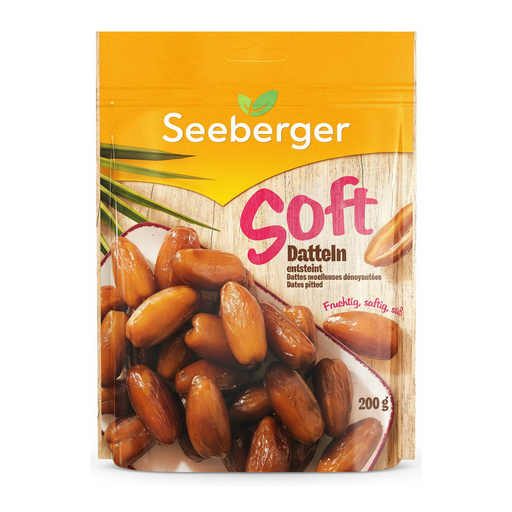 No image available
The pitted dates are a good option if you want to portion out a snack yourself. The 200 g bag isn’t a multipack of individual portions, so choose how much to take based on the nutritional information and your experience with the product.
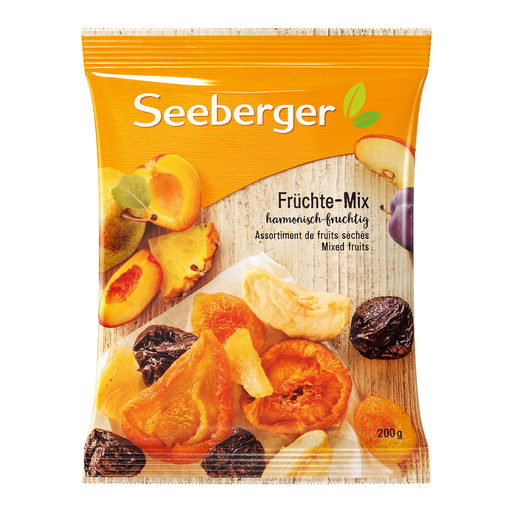 No image available
This fruit mix is a good choice if you’d like to portion out different types of dried fruit for your breaks. Check the sulphite information and make sure you can reseal the opened bag securely for future rides.
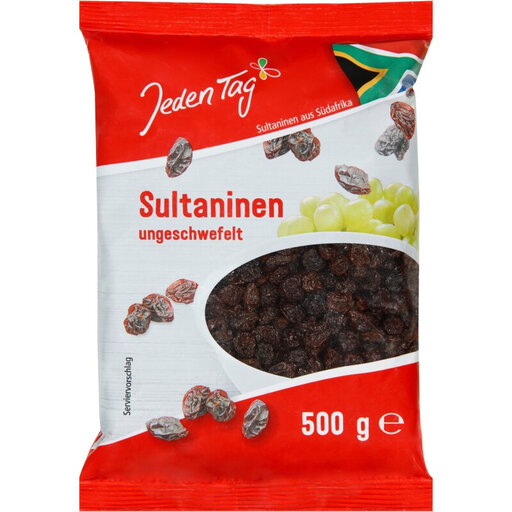 No image available
The 500 g bag is suitable for portioning out snacks for several rides or lunchboxes, provided you can store and use the opened bag appropriately. You’ll need to prepare individual portions yourself; follow the storage instructions after opening.
Dried fruit shouldn’t be treated as a complete substitute for drinks and other food. Sports Dietitians Australia recommends adjusting your carbohydrate intake and the timing of meals and snacks to suit the demands of your training.
Try a new mix during training first, rather than for the first time on an important ride. This lets you find out whether the ingredients and portion you’ve chosen agree with you during exercise. Sports Dietitians Australia also recommends testing snacks and meal timings during training.
No, this wording doesn’t tell you the total sugar content. Dried fruit contains natural sugars, so check the ingredients list and the sugar per 100 g. The Verbraucherzentrale also points out that terms such as ‘naturally sweet’ don’t reveal the actual sugar content.
If you know you’re sensitive to sulphites, read the ingredients and allergen information on each specific pack. The European Food Safety Authority lists sulphur dioxide and sulphites as allergens that must be declared when their content is more than 10 mg/kg or 10 mg/l, expressed as total sulphur dioxide.
Follow the storage instructions on the specific pack and seal the rest securely after portioning. For a freeze-dried fruit product listed by REWE, the instructions specifically say to store it in a dry place away from light and to seal it securely after opening.