Dried fruit isn’t automatically low in calories when you’re cycling: compare the energy per 100 g with the amount you’ll actually take with you. For a short, easy ride, you can portion out a fruit snack carefully; on a longer or more strenuous ride, getting enough carbohydrates may matter more than choosing the lowest-calorie option. Also check the ingredients on the specific pack, especially if sulphur dioxide is relevant to your choice.
Who should think carefully about their choice?
Everyday cyclists keeping an eye on calories
If you want to take a sweet snack with you on your commute or a shorter ride, the energy content, ingredients and portion you have in mind matter more than the fruit’s name. Don’t assume dried fruit is low in calories just because of its ingredients.
Cyclists on longer training rides
On a longer or more strenuous ride, getting enough carbohydrates may be more important when choosing a snack. The German Nutrition Society (DGE) recognises carbohydrates as an important part of nutrition for endurance sports; the right choice depends on the effort you have planned.
Shoppers checking ingredients and sulphites
If you need to check for sulphur dioxide or other ingredients, compare the information on the specific pack. EDEKA’s product descriptions list sulphur dioxide in its sulphur-treated apricots and mixed fruit; its organic soft apricots, on the other hand, list apricots and water as ingredients.
What should you look for when buying?
First decide whether you mainly want to limit the amount you take, plan your carbohydrate intake for a longer ride, or avoid certain ingredients. Then compare the information on the specific pack.
| What matters to you |
What to check |
Who it matters most to |
| Energy and portion size |
Compare the energy per 100 g and for the amount you plan to take; check the pack size. |
For an easy ride, I want to take something sweet without treating the whole pack as one portion. For around 50% of consumers, portion and energy control are the main priorities. |
| Carbohydrates |
Compare the carbohydrates per 100 g and in the portion you’re taking with the duration and intensity of your ride. |
On a longer or more strenuous ride, I care about how many carbohydrates are in the amount I take with me. Around 30% of consumers put this need first. |
| Ingredients and sulphites |
Read the ingredients list and allergen information for the specific variety, especially for details of sulphur dioxide. |
If I need to check certain ingredients, the fruit shown on the front isn’t enough to help me decide. For around 20% of consumers, checking the ingredients comes first. |
Which common mistakes can you avoid?
-
Assuming ‘no added sugar’ means ‘low in calories’
Dried fruit can still have a considerable energy content per 100 g, even without added sugar. For example, REWE lists 303 kcal per 100 g for Seeberger freeze-dried raspberries made from 100% fruit.
Check the energy and sugar information, then decide how much you want to take with you on your ride.
-
Checking only the type of fruit when looking for sulphites
Ingredients can vary even between versions of the same fruit: EDEKA lists sulphur dioxide in its sulphur-treated apricots, while its organic soft apricots contain apricots and water.
Check the ingredients list and allergen information on the pack of the variety you’re planning to buy.
-
Always looking for the lowest-calorie option for every ride
A short, easy ride and a longer endurance ride don’t call for the same kind of snack. The German Nutrition Society (DGE) highlights the importance of carbohydrates in endurance sports.
Choose a snack to suit the ride you have planned, and compare the carbohydrates in your portion as well as its energy content.
-
Assuming details for one variety apply to another
Ingredients and nutritional values can differ between products from the same brand. ALDI SÜD also notes that some products may have changing suppliers and different product information.
Before buying, read the nutritional information, ingredients and pack size for the specific product.
Brands to consider
Seeberger
Seeberger offers a range of apricot varieties and freeze-dried fruit. Its range gives you options to compare if you’re looking for a particular type of fruit or ingredients.
- Seeberger offers unsulphured apricots, among other products. REWE lists 100% fruit for its freeze-dried raspberries.
- The ingredient and energy information applies to each specific variety, not to the range as a whole.
EDEKA Bio / EDEKA Herzstücke
The EDEKA products described here let you compare soft apricots, sulphur-treated apricots and mixed fruit using the information on each pack.
- EDEKA lists 239 kcal per 100 g for its organic soft apricots, made with apricots and water; its Herzstücke apricots have 263 kcal per 100 g.
- The Herzstücke apricots and mixed fruit described here contain sulphur dioxide. EDEKA notes that some products may not be available in every store.
REWE Beste Wahl / REWE Bio
The REWE range includes freeze-dried fruit, apple crisps and other dried fruit products to compare.
- Different types of fruit and pack sizes give you several options for comparing ingredients and portion sizes.
- Read the nutritional and ingredient information for the product you choose; the fact that it belongs to the range doesn’t tell you what’s in it.
FARMER NATURALS / ALDI SÜD
ALDI SÜD stocks FARMER NATURALS in its nuts and dried fruit range, including prunes and cranberries.
- You can assess each fruit product using its own ingredients and nutritional information.
- ALDI SÜD notes that some products may have changing suppliers and that their details may vary. Always check the specific pack.
Dried fruit at Joybuy
These two products are varieties of dates for a fruit snack you can portion yourself. For your ride, compare the ingredients and nutritional information on each pack with the amount you want to take.
 No image available
Seeberger Deglet Nour dates, pitted, 500 g
These pitted dates are a good option if you want to portion out how much to take on a ride. Compare the energy content of your planned portion with the nutritional information on the pack.
View at Joybuy
 No image available
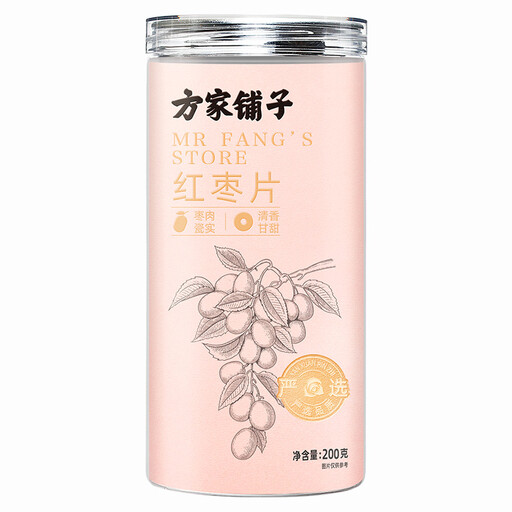
Fang Jia Puzi dried red date slices, 200 g
These dried slices are a good option if you want to put together your own portion before a ride. Check the ingredients and nutritional information on the specific pack before comparing it with other dried fruit.
View at Joybuy
Frequently asked questions
Is dried fruit low in calories for cycling?
Not necessarily: drying removes water, so you should consider the energy content alongside how much you eat. EDEKA lists 239 kcal per 100 g for its organic soft apricots; REWE gives 303 kcal per 100 g for Seeberger freeze-dried raspberries. These figures apply to these products, not to all apricots or freeze-dried fruit.
When should I consider carbohydrates for a bike ride?
On a longer or more strenuous ride, getting enough carbohydrates may matter more when choosing a snack than finding the lowest-calorie option. The German Nutrition Society (DGE) describes carbohydrates as an important part of nutrition for endurance sports. So compare the carbohydrates in the amount you’ll actually take with you.
How can I spot sulphur dioxide in dried fruit?
Check the ingredients and allergen information on the specific pack. EDEKA lists sulphur dioxide in the sulphur-treated apricots and mixed fruit described here; you can’t assume other varieties of the same fruit have the same ingredients.
Why can product information differ within a supermarket’s own-brand range?
Ingredients and nutritional values apply to each specific product and can vary between varieties. ALDI SÜD also notes that some products may have changing suppliers and different product information. So always check the pack you’re planning to buy.


