Cyclists who regularly stock up
If you regularly pack dried fruit for rides, a larger pack could suit your needs. Choose a variety that’s easy to handle on the go, and a quantity you can store properly and finish in good time.


A large pack of dried fruit can work well for regular cycling trips if you use the same variety repeatedly and finish it in good time. For the ride itself, handy portions matter more than the size of your stock pack. Also check the ingredients and nutritional information for the specific variety, and plan your drinks separately.
If you regularly pack dried fruit for rides, a larger pack could suit your needs. Choose a variety that’s easy to handle on the go, and a quantity you can store properly and finish in good time.
If you want to avoid certain ingredients, check the label on the specific pack. The ingredients list, sugar content and highlighted allergens tell you more about the product than general claims on the front of the pack. The Verbraucherzentrale points out that terms such as ‘naturally sweet’ don’t tell you how much sugar a product actually contains.
If you only want to take a handy amount with you, look for individual portions or check whether you can divide the contents up before your ride. Drinks should be part of your ride planning too: the German Nutrition Society treats carbohydrate intake and fluid management as separate topics.
First, decide how often you’ll eat the fruit and how much you want to take with you. Then compare the ingredients and nutritional information for the varieties you’re considering.
| What matters to you | What to check before buying | Who it matters to |
|---|---|---|
| Pack size and how quickly you’ll use it | Check the pack weight and storage instructions, and choose an amount that suits your regular consumption. | I eat the same fruit on several rides and want to finish the pack before its quality deteriorates. Around 42% of consumers put this regular need to stock up first. |
| Portions for longer rides | Check the portion size and how easy it is to eat on the go; plan a drink separately. | On longer rides, I want to eat the amount I’ve brought in stages, rather than carry a large pack. This approach to portion planning is the priority for around 33% of consumers. |
| Ingredients and labelling | Check the ingredients list, sugar per 100 g and any highlighted allergens on the specific pack. | I need to be able to identify certain ingredients or allergens when making my choice, even if I otherwise like a particular variety. Around 25% of consumers put this focus on ingredients first. |
Pack sizes range from small pouches to 500 g packs, and each serves a different purpose. A pack for keeping at home isn’t automatically the right amount to take on a single ride.
Before you buy, think about how many portions you’ll actually use and how you’ll divide them up for your ride.
The Verbraucherzentrale explains that claims such as ‘naturally sweet’ don’t give you a reliable indication of the actual sugar content. Even dried fruit with no added sugar can contain naturally occurring sugars.
Compare the sugar per 100 g and take into account the portion you want to bring with you.
You can’t tell from the pack size alone whether a particular fruit and portion will be practical for you on the go. Dried fruit also doesn’t provide the fluids you need.
Try the variety and portion on a shorter ride first, and plan your drinks separately.
Some products may contain sulphur dioxide or sulphites, while nut and fruit mixes may contain nuts. Always check the label on the specific product.
If you have an allergy, check the full ingredients list and highlighted allergens before buying.
If you’re looking for a particular type of fruit, Seeberger’s own product range includes dates, figs, prunes and sultanas in 500 g packs.
REWE stocks dried fruit from various brands, including its own-label range, ja!. When comparing products, focus on the fruit and pack size, not just the brand name.
EDEKA24 stocks a range of dried fruits, including products from the EDEKA Herzstücke range and other brands.
ALDI SÜD lists FARMER NATURALS prunes in a 500 g pack, while ALDI Nord stocks other dried fruit under the TRADER JOE'S brand.
Lidl describes Alesto as a brand of nuts and dried fruit. When choosing, check whether you’re looking at a single type of fruit or a mix.
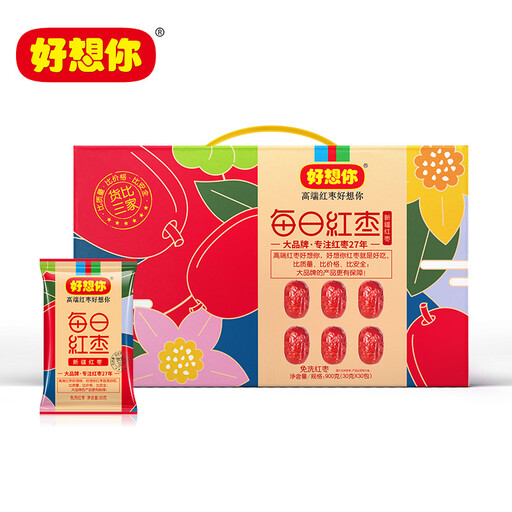
These packs contain dates, prunes or sultanas for keeping at home. One option already comes in individual portion packs; for the others, check how you can divide up the amount you want before your ride.
 No image available
The 30 portion packs are handy if you want to take a small amount from your stock with you on each ride.
The red dates contain stones, so bear this in mind when handling them on the go.
 No image available
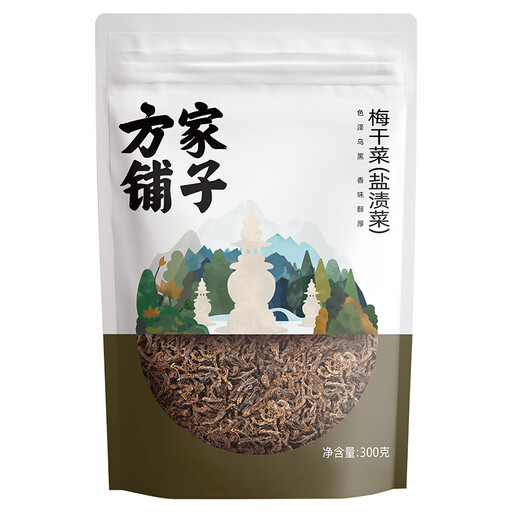
The 500 g pack is better suited to keeping at home than taking the whole pack with you.
The product name says the red dates are pitted; divide up the amount you want to take on your ride.
 No image available
The 500 g pack could suit you if you’re looking to buy prunes for several occasions.
According to the product description, despite being labelled ‘pitted’, the prunes may still contain stones or fragments. Also check the ingredients list if you want to take preservatives into account.
 No image available
This 500 g pack could suit you if you want Deglet Nour dates for several rides.
The product name says the dates are pitted. To compare them with other varieties, check the ingredients list and sugar per 100 g on the pack.
 No image available
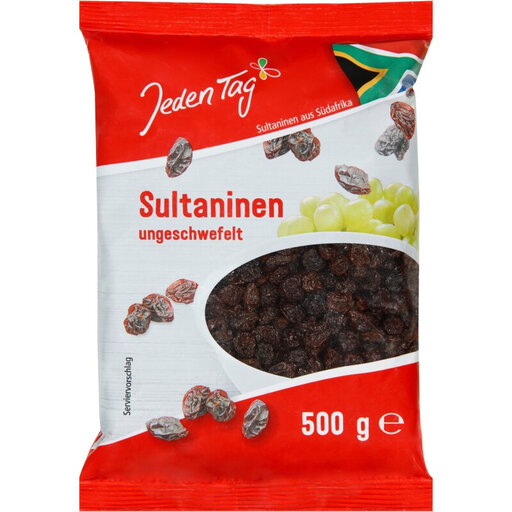
The 500 g pack could suit you if you want to use sultanas regularly in portions you’ve divided up yourself.
Check the ingredients list if you want to know whether the product contains anything besides fruit. Seal the pack tightly after opening and follow the storage instructions.
Yes, dried fruit can be included as a source of carbohydrates. The German Nutrition Society explains that carbohydrate requirements in endurance sports depend on body weight and activity levels. Try the variety and portion on a training ride first.
No, dried fruit can’t replace a drink. The German Nutrition Society treats carbohydrate intake and fluid management separately, and points out that drinking too little or too much can both have adverse effects.
No, ‘no added sugar’ doesn’t automatically mean that dried fruit is low in sugar. The Verbraucherzentrale distinguishes these kinds of claims from the actual sugar content, so check the nutritional information per 100 g and the ingredients list.
For pre-packed foods, check the ingredients list and highlighted allergens on the specific pack. Under EU labelling rules, allergens must be declared. The European Food Safety Authority sets a labelling threshold of more than 10 mg/kg or 10 mg/l for sulphur dioxide and sulphites used as preservatives, expressed as total sulphur dioxide.