Office workers keeping an eye on calories
You’d like to have something sweet for your lunch break, so you compare the serving size and nutritional values of the specific dried fruit you’re considering.


For a quick lunch break at your desk, dried fruit works best as a small, measured addition rather than a whole snack pack. The German Nutrition Society recommends a 25 g portion of dried fruit. For the specific pack you’re considering, also compare the kcal and sugar per 100 g and check the ingredients. Freeze-dried fruit has a different texture, but removing the water doesn’t automatically make it lower in calories.
You’d like to have something sweet for your lunch break, so you compare the serving size and nutritional values of the specific dried fruit you’re considering.
For them, a clear ingredients list and information about added ingredients or sulphites are important, particularly with fruit mixes and preserved fruit.
You’re looking for a ready-to-eat addition to enjoy at your desk, and your choice also depends on texture, packaging and how easy it is to carry.
First, choose a portion for your lunch break. Then compare the nutritional information and ingredients for the specific variety. Whether you prefer soft or crunchy fruit is a personal choice, but it doesn’t replace comparing nutritional values.
| Criteria | What to check when buying | Who it matters to |
|---|---|---|
| Calories and portion size | Compare kcal per 100 g and measure out the amount you plan to eat. The German Nutrition Society recommends a 25 g portion of dried fruit. | When I take dried fruit with me for lunch, I want to decide on the amount in advance rather than finish the pack without thinking. This is a priority for around 36% of consumers. |
| Sugar and ingredients | Read the ingredients list and check the “of which sugars” value per 100 g. “No added sugar” doesn’t mean sugar-free. | I want to distinguish natural sweetness from added ingredients before choosing a snack. Around 29% of consumers prioritise this clarity. |
| Convenience at your desk | Check the texture and packaging closure of the variety you choose. Freeze-dried fruit is crunchy, while traditional dried fruit has a different texture. | I want a snack that’s ready to eat during a short break and suits the way I eat. Practicality is the priority for around 21% of consumers. |
| Allergens and additives | Check the ingredients and any highlighted allergen information on the current packaging, especially for mixes and preserved fruit. | If I need to avoid certain ingredients, I check each variety individually rather than relying on the brand name. This is the most important buying consideration for around 14% of consumers. |
Drying removes water, concentrating the energy and natural sugar per 100 g compared with fresh fruit. The size of a multipack doesn’t tell you what an appropriate individual portion is.
Compare kcal per 100 g and measure out the amount you want before your lunch break. The German Nutrition Society recommends 25 g of dried fruit as a portion of fruit.
Dried fruit still contains its natural sugars, even when no sugar has been added. So, a claim about added sugar doesn’t tell you the total sugar content.
For the same product variety, check both the ingredients list and the “of which sugars” figure in the nutritional information.
EDEKA Herzstücke mixed dried fruit lists sulphur dioxide and sulphites. Other varieties may have different ingredients.
If these substances are relevant to your choice, check the highlighted allergen information on the pack you’re actually buying.
Its light, crunchy texture doesn’t change the fact that removing water concentrates the sugar and energy per 100 g.
Choose freeze-dried fruit for its texture, not because you expect it to save calories. Compare the nutritional information for the specific products you’re considering.
The brand offers individual varieties of dried fruit. One example is the unsweetened mango listed by REWE.
The REWE range includes products such as sultanas and freeze-dried strawberries; they don’t all belong to the same type of dried fruit.
One example from this range is a dried fruit mix containing several types of fruit.
Lidl’s brand includes mango strips, as well as other dried fruit and snack mixes.
One specific example is dried plums in a 500 g pack.
This selection includes dried red date slices, as well as salted or preserved plums for a ready-to-eat snack at your desk. Preserved plums aren’t interchangeable with plain dried fruit, so pay particular attention to the ingredients and salt content.
 No image available
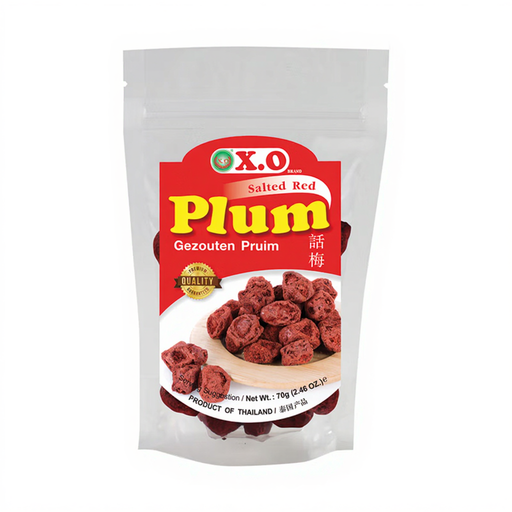
An option if you’d like salted plums as a small addition to your lunch break. Divide the 70 g pack according to the amount you plan to eat.
When choosing, pay particular attention to the salt and sulphites. Also note the warning about E110: this colour may have an adverse effect on activity and attention in children.
 No image available
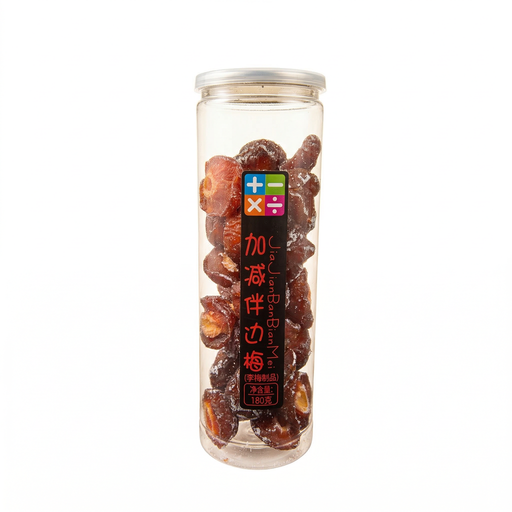
For anyone looking for ready-to-eat preserved plums, this 180 g pack lets you portion out some for your break.
If you’re keeping an eye on sugar, salt or additives, check the information for this variety, including the ingredients list, before buying.
 No image available
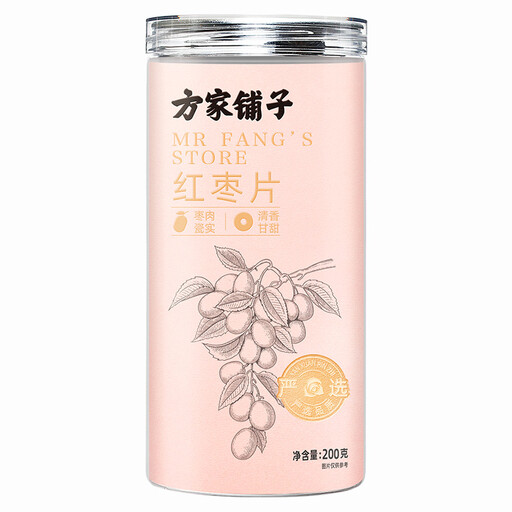
Dried red date slices are worth considering if you want to take a fruit snack with you without having to cut anything up. The pack contains 200 g.
To compare calories and sugar, check the nutritional information on the specific pack and measure out the portion you want.
 No image available
These preserved plums are an option for a ready-to-eat snack. Don’t treat the 120 g pack as a single portion.
When checking the ingredients, look out for sweeteners and the warning that the product is a source of phenylalanine. Also check the sugar and salt information on the pack.
No. Removing water concentrates the energy and natural sugar per 100 g. Compare kcal per 100 g and the amount you plan to eat; the German Nutrition Society recommends a 25 g portion of dried fruit.
No. The fruit may still contain natural sugars. As well as checking the ingredients list, look at the “of which sugars” figure per 100 g rather than assuming that no added sugar means a low sugar content.
Check the highlighted allergens in the ingredients list on the specific pack. For example, EDEKA Herzstücke mixed dried fruit lists sulphur dioxide and sulphites. Information may differ for another product from the same brand.
Follow the storage instructions on the relevant pack. For example, the Seeberger mango listed by REWE should be stored away from heat and moisture; a resealable bag doesn’t replace this instruction.