Dried fruit isn’t automatically suitable for everyone with diabetes, nor is it a high-protein sports snack simply because of the type of product it is. When choosing, consider the carbohydrates in the portion you’ll actually eat, the ingredients and the protein content shown on the label. If you use insulin, you’ll need to factor the carbohydrate content into your individual treatment plan. If you have a protein target, a separate source of protein may be a better choice.
Who is this choice relevant to?
Active people with diabetes who have a protein target
If you’re also paying attention to protein after a workout, check the protein content of the portion you’re planning to eat rather than relying on the label “sports snack”. diabetesDE lists nuts, pulses and low-fat dairy products among its sources of protein; dried fruit can be a small fruit component alongside them.
People who use insulin and plan their carbohydrate intake around exercise
If you calculate carbohydrates for your insulin dose, you need a snack portion you can measure accurately. diabetesDE stresses that people with type 1 diabetes need to tailor their exercise and treatment to their individual needs.
People who choose fruit snacks based on their ingredients
If you want to avoid sweetened or candied varieties, compare the ingredients list with the nutritional information. “No added sugar” doesn’t mean dried fruit contains no naturally occurring sugars.
What should you look for when buying?
First, check the carbohydrates in the portion you’re planning to eat. Then see whether the snack provides a relevant amount of protein for your needs. If you exercise and use insulin, you’ll also need to make sure it fits your personal treatment plan.
| Criterion |
What to check |
Who it matters most to |
| Carbohydrates per portion |
Convert the carbohydrate and “of which sugars” figures per 100 g to the portion size you plan to eat; check the ingredients for added sugar. |
When I plan to have a fruit snack, I want to know how many carbohydrates I’ll actually be eating. For around 42% of consumers, keeping track of portions is their top buying priority. |
| Protein content |
Compare the protein per 100 g and for the portion you plan to eat; for mixes, check the nutritional information for the whole product. |
After a workout, I look for a clear protein contribution and don’t want to choose dried fruit for this purpose based on its name alone. This is the top priority for around 33% of consumers. |
| Snack and exercise planning |
Consider your planned snack separately from the hypo treatment you’ve been advised to use; choose a snack portion you can measure. |
When exercise affects my diabetes treatment, I need to know how the snack fits into my personal plan. For around 25% of consumers, this distinction is their main concern. |
Which misconceptions can make choosing harder?
-
Assuming dried fruit is high in protein because of a search label
The product type alone doesn’t show that it provides enough protein for a particular goal. The carbohydrates in the fruit portion still need to be factored into your choice.
Check the protein content for the amount you plan to eat. If another ingredient is meant to provide the protein, check its nutritional information too.
-
Confusing “no added sugar” with sugar-free
Dried fruit can contain naturally occurring sugars. So this label alone doesn’t tell you how much sugar or how many carbohydrates are in the portion you’ll eat.
Read the ingredients list and nutritional information together, and convert the figures per 100 g to the portion you plan to eat.
-
Assuming all varieties of a fruit are the same
For example, Seeberger sells sweetened cranberries and pineapple pieces alongside other dried fruit; ALDI SÜD also lists nut and fruit mixes with chocolate. The fruit name or brand alone doesn’t tell you what’s in the product.
Compare the ingredients and nutritional information for the specific variety, especially for candied fruit and mixes with coatings.
-
Treating a planned snack as the same thing as your hypo treatment
For people with type 1 diabetes, diabetesDE says exercise requires individual adjustments to activity and treatment. A regular dried fruit snack isn’t automatically a suitable replacement for the hypo treatment you’ve been advised to use.
Ask your diabetes team which carbohydrate strategy and hypo treatment they recommend for your exercise routine.
Useful brands to help you choose
Seeberger
The dried fruit range includes different types of fruit and processing methods.
- Seeberger offers unsweetened pineapple, as well as sweetened cranberries and pineapple pieces.
- Check the ingredients and nutritional information for each variety. The brand alone doesn’t indicate a consistent sugar or protein content.
REWE / REWE Bio / REWE Beste Wahl
The range lists dried fruit and seeds as separate product types, which you can compare when putting together your own snack.
- For example, REWE lists sultanas and freeze-dried strawberries, as well as pumpkin seeds.
- Being grouped in the same range doesn’t mean an individual dried fruit or a portion you put together yourself is high in protein.
Alesto
The Lidl brand offers dried fruit and nuts, which you can consider separately when choosing.
- Lidl describes Alesto mango strips as having no added sugar, while also pointing out that they contain naturally occurring sugars.
- If you’re combining fruit and nuts, check the ingredients and nutritional information for the specific products and amounts you’re using.
FARMER NATURALS / FARMER
ALDI SÜD’s range includes individual dried fruits alongside nuts and nut and fruit mixes.
- The separate product types make it easy to compare fruit products with mixes.
- The range also includes mixes with chocolate, so the ingredients in the specific pack are what matter when you’re deciding what to buy.
Nut and fruit mix at Joybuy
This nut and fruit mix may suit you if you’re looking for a snack that combines dried fruit with nuts, rather than dried fruit on its own. You can check whether the amount you plan to eat fits your carbohydrate and protein targets by looking at the nutritional information for that portion.
 No image available
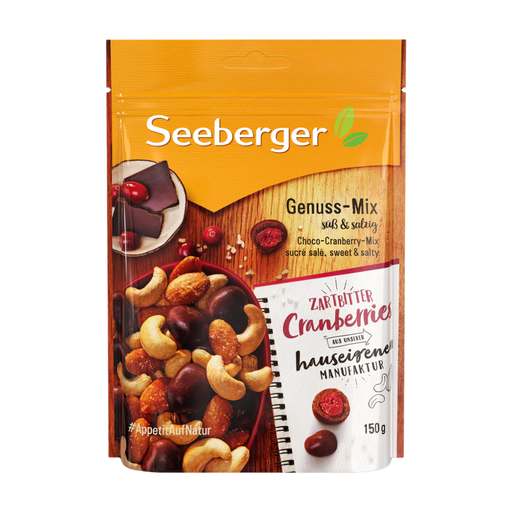
Seeberger Pleasure Nut & Fruit Mix, 150 g
A good option if you’re looking for a nut and fruit mix rather than dried fruit on its own. The pack contains 150 g. To plan your carbohydrate and protein intake, use the nutritional information for the amount you’ll actually eat. Check the ingredients too, rather than treating it as plain dried fruit.
View at Joybuy
Frequently asked questions
Do I have to avoid dried fruit altogether if I have diabetes?
You can’t determine this based on the product type alone. Your choice depends on the carbohydrates in the portion you eat and your personal treatment plan. diabetesDE points out that people who use insulin need to calculate the carbohydrate content of their food when working out their insulin dose.
Is dried fruit with no added sugar sugar-free?
No, it can still contain naturally occurring sugars. As well as checking the ingredients list, compare the carbohydrate and “of which sugars” figures for the portion you plan to eat.
Can dried fruit replace a source of protein after exercise?
If you have a specific protein target, don’t assume dried fruit will meet it without checking. Compare the protein content of the portion you plan to eat; diabetesDE lists nuts, pulses and low-fat dairy products among other sources of protein.
Can I use dried fruit as a hypo treatment when exercising?
Dried fruit isn’t a one-size-fits-all replacement for the hypo treatment you’ve been advised to use. diabetesDE stresses that people with type 1 diabetes need to tailor their exercise and treatment to their individual needs. Ask your diabetes team what to do if you have a hypo.


