What should you look for when buying?
First, check the allergen information and ingredients that are relevant to you. Then compare the carbohydrate and sugar figures per 100 g, and relate them to the amount you actually plan to eat.
| Criterion |
What to check when buying |
Who it matters most to |
| Carbohydrates and portion size |
Compare carbohydrates and of which sugars per 100 g, then relate the figures to the amount you plan to eat. |
If I eat dried fruit occasionally, I want to factor the amount I actually eat into my carbohydrate planning. Around 46% of consumers put this kind of portion planning first. |
| Allergens and sulphur dioxide |
Check the current ingredients list, allergen information and, where applicable, precautionary statements about traces of the specific allergen that matters to you. |
If I have an allergy, I don’t want to rely on the label ‘unsulphured’ alone. Around 36% of consumers put checking their relevant allergen or additive first. |
| Ingredients and additives |
For the variety you want, look out for added sugar, syrup or candied ingredients. |
For muesli or a planned snack, I want a fruit ingredient that I can distinguish from a sweetened mix. Around 18% of consumers prioritise a clear ingredients list for this reason. |
Which brands offer options to compare?
These brands and supermarket ranges can help you find specific types of dried fruit. Whether a product suits your needs depends on its own labelling, not its brand name.
Seeberger
Seeberger’s dried fruit range includes unsweetened pineapple and unsulphured apricots, among other products.
- You can compare differently labelled varieties within the same range.
- Seeberger also sells sweetened cranberries and candied ginger, so check the ingredients and nutrition information for each variety.
REWE Beste Wahl / REWE
REWE has a dried fruit category, including mango strips from the REWE Beste Wahl range.
- The category gives you a starting point for comparing specific types of fruit.
- When checking ingredients or allergens, the label on the product you choose is what matters.
EDEKA
EDEKA publishes product-specific information about dried fruit, including a dried mixed-fruit product.
- For this mixed-fruit product, EDEKA lists 56,6 g of carbohydrates and 46 g of sugar per 100 g, as well as sulphur dioxide as an ingredient.
- This information applies to the mixed-fruit product mentioned, not to all EDEKA dried fruit.
Alesto (Lidl)
Lidl describes Alesto as a brand offering nuts, dried fruit and snacks.
- The brand gives you a starting point for looking for specific types of dried fruit.
- A general brand description is no substitute for checking the ingredients, nutrition information and allergen labelling of an individual product.
ALDI SÜD
ALDI SÜD’s German range includes dried fruit, including a mango variety.
- The specific fruit variety gives you a starting point for comparing products.
- For detailed information about the mango, ALDI SÜD directs customers to the product in store. Always check its current labelling for ingredients and allergens.
Dried fruit at Joybuy
This selection includes packaged dried plums, Deglet-Nour dates and jujubes. If you eat dried fruit occasionally, the amount you plan to eat, the current nutrition information and, if you have allergies, the labelling on the relevant pack are what matter. None of these products can be classed as allergen-free or suitable for people with diabetes across the board.
 No image available
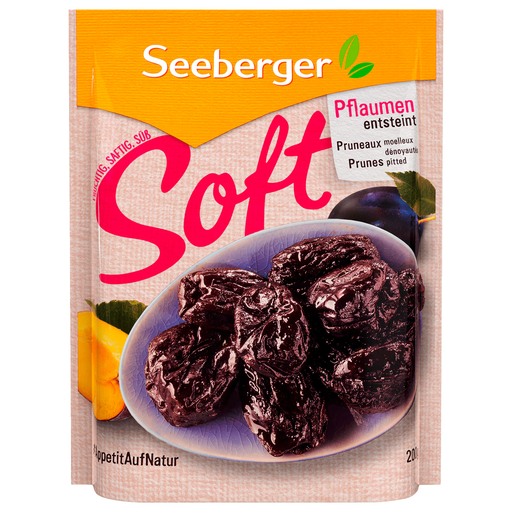
Seeberger Soft pitted prunes, 200 g
If you are looking for prunes to eat in a planned small portion, compare the nutrition information per 100 g with the amount you actually eat. If you have allergies, check the current pack labelling, including any precautionary statements about traces.
View at Joybuy
 No image available
Seeberger pitted Deglet-Nour dates, 500 g
This pitted Deglet-Nour variety may suit you if you are looking for dates to eat in a carefully planned portion. Compare the carbohydrate and sugar figures on the current pack. Information about individual allergens is no substitute for checking the allergen relevant to you and any precautionary statements about traces.
View at Joybuy
 No image available
Changsi dried red dates (jujubes), 500 g
Red dates, also known as jujubes, are the fruit variety to compare with other dried fruit here. For a planned portion, refer to the nutrition information per 100 g. If you have an allergy, check the ingredients and the allergen and trace information on the current pack.
View at Joybuy
 No image available
Haoxiangni Grade A No-Wash Jujubes, 500 g
This variety is labelled ‘No-Wash’. When deciding whether to buy it, also check the nutrition information in relation to the amount you plan to eat. If you have allergies, the current labelling must match the specific allergen that matters to you.
View at Joybuy
 No image available
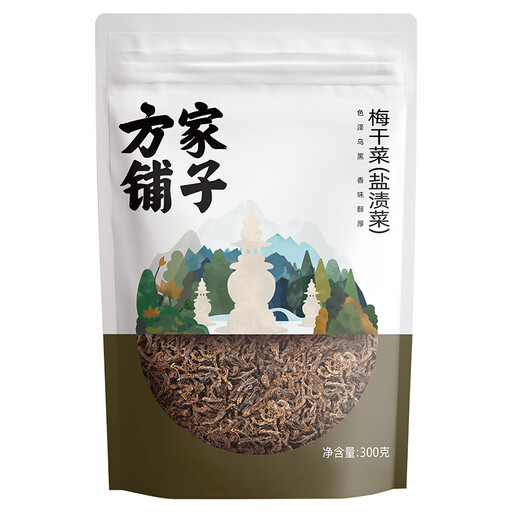
Fang Jia Pu Zi pitted red dates (jujubes), 500 g
You can compare this pitted jujube variety with other dried fruit by looking at the nutrition information and planned portion size. If you need to avoid an allergen, check the current pack before buying for allergen labelling and any precautionary statements about traces.
View at Joybuy
Frequently asked questions
Is dried fruit with no added sugar sugar-free?
No. As the Verbraucherzentrale also explains, ‘no added sugar’ does not mean that the fruit’s natural sugars are absent. Check the carbohydrates and of which sugars figures in the nutrition information per 100 g, then relate them to the amount you plan to eat.
Can I portion dried fruit in the same way as fresh fruit if I have diabetes?
Not without comparing the amounts. Removing water concentrates the sugar and carbohydrates in dried fruit per 100 g; diabetesDE highlights the importance of portion size and carbohydrate content when it comes to fruit. What matters is the amount of dried fruit you actually eat as part of your individual carbohydrate plan.
Is ‘unsulphured’ enough to use as a buying criterion if I have a sulphite allergy?
No. Check the current ingredients and allergen information for sulphur dioxide or sulphites. ‘Unsulphured’ describes a variety with no added sulphur dioxide, but it says nothing about all other allergens or possible traces. For example, EDEKA lists sulphur dioxide as an ingredient in a dried mixed-fruit product.
Where can I check the allergens in dried fruit?
For prepacked dried fruit, start with the ingredients list and allergen information on the current pack; check any precautionary statements about traces too, if relevant. Under EU rules, as explained by the European Commission, consumers must also be given information about allergens in non-prepacked foods. What matters is which substances are relevant to your specific allergy.


