Hosts comparing energy values
If you’re choosing dried fruit for an Easter egg hunt, compare the kcal per 100 g of similar products rather than relying solely on claims on the front of the pack.


For an Easter egg hunt with dried fruit, compare the energy and sugar content per 100 g, along with the ingredients on the specific pack. ‘No added sugar’ doesn’t automatically mean low in sugar or energy. If toddlers are joining in, you’ll also need to consider age-appropriate preparation, supervision and allergen information.
If you’re choosing dried fruit for an Easter egg hunt, compare the kcal per 100 g of similar products rather than relying solely on claims on the front of the pack.
If toddlers are joining in, it’s important to consider the texture and size of the pieces, as well as the ingredients and supervision when serving the fruit.
If you need to avoid sulphur dioxide or prefer a short ingredients list, check the information on the pack you’re actually buying.
Start by comparing similar dried fruit using the nutritional information per 100 g. Then decide which ingredients and serving options are suitable for the people taking part.
| What to consider | What to check when buying | Who it matters most to |
|---|---|---|
| Energy content | kcal per 100 g for similar dried fruit, and how much you plan to serve. | If you choose snacks based on their energy content, you’ll want to compare products using the same measure. Around 36% of consumers put this comparison first. |
| Sugar and ingredients | ‘Of which sugars’ in the nutritional information, as well as the full ingredients list. | If a pack says ‘no added sugar’, you’ll want to know how much sugar the product contains overall. For around 29% of consumers, this distinction takes priority. |
| Serving to toddlers | Texture and piece size; take any known allergies into account when choosing. | If toddlers are joining in, you’ll need to prepare the dried fruit in a way that suits their ability to eat it, and stay with them while they eat. Around 21% of consumers put this first. |
| Pack size and planning | Pack weight, suitable portions and current availability locally. | For a planned Easter egg hunt, you’ll want to buy the right amount and check in good time that your chosen product is available. This is the main priority for around 14% of consumers. |
Dried fruit contains sugar from the fruit, even when no sugar has been added. The Consumer Advice Centre points out that terms such as ‘naturally sweet’ don’t tell you the actual sugar content.
As well as checking the claim on the pack, look at ‘of which sugars’ and the energy value per 100 g.
Sulphur dioxide is listed in the product information for the EDEKA Herzstücke apricots and REWE ja! apricots. This may be an important factor if you have a related allergy or intolerance.
Check the ingredients and allergen information on the specific pack, even if you’re specifically looking for unsulphured apricots.
Small and/or hard foods can pose a choking risk for toddlers.
Prepare a portion that’s suitable for your child’s age and ability to eat. Cut it into child-friendly pieces if needed, and supervise them while they eat.
ALDI SÜD notes that differences between suppliers may affect the nutritional information for its apricots.
Before serving, check the energy, ingredients and allergen information on the pack you’ve bought.
The energy values and ingredients vary between the listed apricot products.
REWE lists both sulphured ja! apricots and unsulphured Biofarm organic apricots.
One listed pack of dried apricots provides another kcal value to compare.
The dried fruit range includes different types of fruit and recipes.
This selection includes apple rings, dates, apricots and mango for an Easter egg hunt. Compare the nutritional information on each pack before deciding which variety and serving amount to choose.
 Image unavailable
Apple rings are worth considering if you’re looking for this type of fruit for an Easter egg hunt. To compare them with other options, check the energy, sugar, ingredients and allergen information on the pack. For toddlers, the size of the pieces matters too.
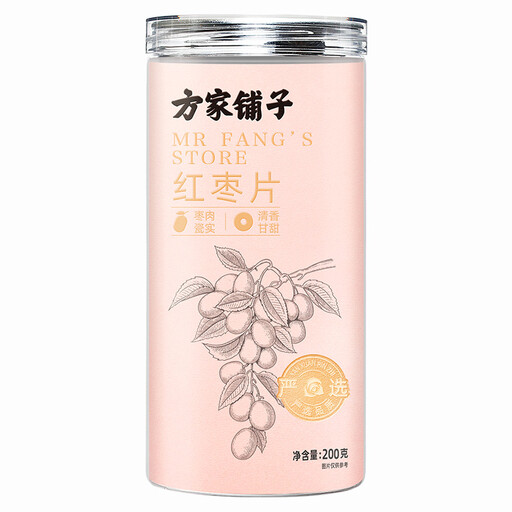 Image unavailable
This pre-sliced option is a good choice if you’d rather serve slices of date than whole fruits. Before choosing, check the nutritional information, including sugar per 100 g, and make sure the pieces are a suitable size for young children.
 Image unavailable
Pitted Deglet Nour dates are an option if you’re planning to serve dates across several portions. Compare the energy and sugar per 100 g, and only serve them to toddlers in a suitable form.
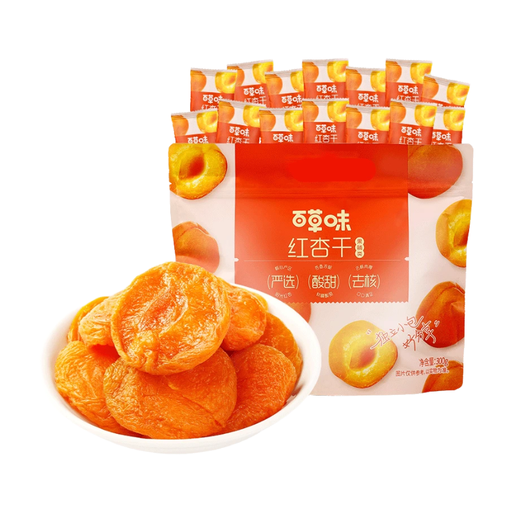 Image unavailable
These apricots are worth including in a comparison of dried apricots for an Easter egg hunt. Check the kcal per 100 g, as well as the ingredients and allergen information on the pack, before comparing them with other options.
 Image unavailable
Mango slices offer a different type of fruit for an Easter egg hunt. Compare their nutritional values per 100 g and check the ingredients and allergen information. A soft texture doesn’t mean you can skip checking the piece size for toddlers.
No. Dried fruit contains sugar from the fruit itself; according to the Consumer Advice Centre, ‘naturally sweet’ doesn’t tell you the actual sugar content. Compare ‘of which sugars’, energy per 100 g and the ingredients list for the specific product.
Of the five products compared, EDEKA Bio Soft-Aprikosen has the lowest published value, at 239 kcal per 100 g. The other figures come from EDEKA, REWE and ALDI SÜD. This isn’t a comparison of all dried fruit, so check the value on the specific pack before you buy.
Read the ingredients and allergen information on the pack. Sulphur dioxide is specifically listed in the product information for EDEKA Herzstücke apricots and REWE ja! apricots. You should also check the product you’ve chosen for a ‘unsulphured’ claim.
Don’t serve it without first checking the texture and piece size. Small and/or hard foods can pose a choking risk. Prepare the portion to suit your child’s ability to eat it, and supervise them while they eat.